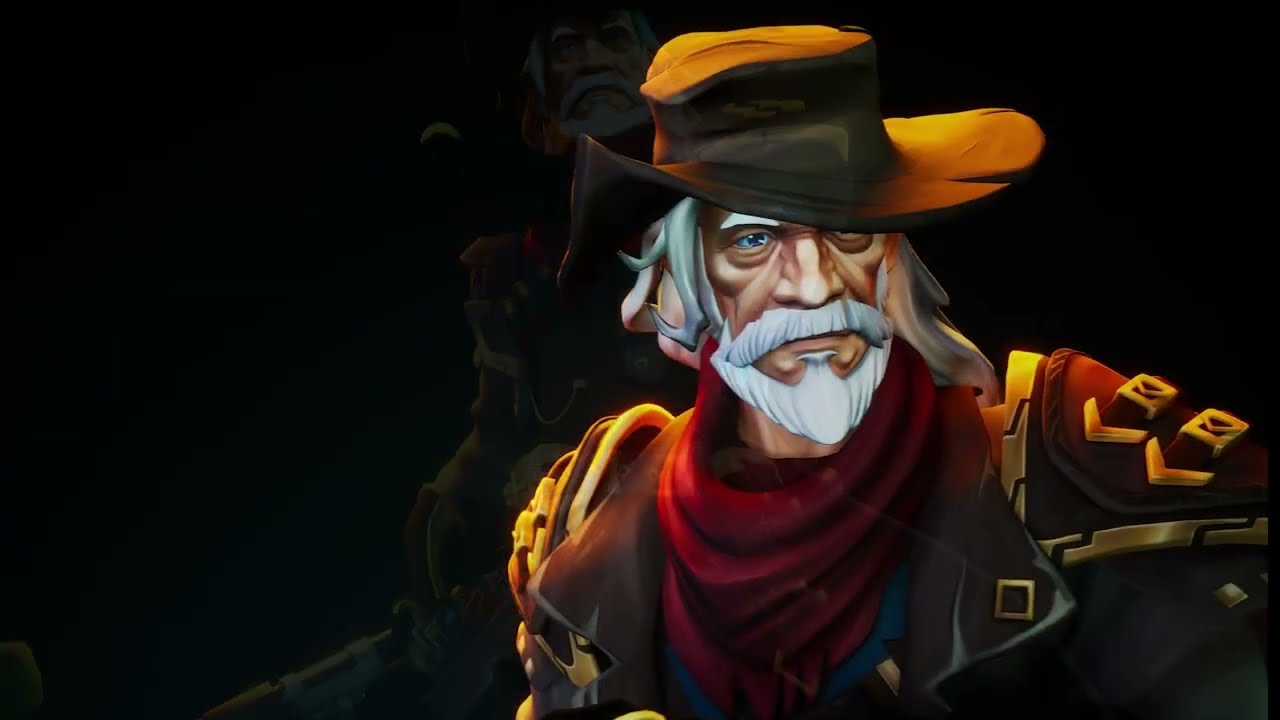
Most people discover 3D Modeling & Animation through visuals.
A cool character render.
A cinematic game trailer.
A smooth walk cycle on social media.
What’s easy to miss is this: 3D modeling and animation are not about making things look good. They’re about making things feel real when they move, react, and exist inside a system.
That’s a very different challenge.
Why 3D modeling alone is never enough
A beginner often starts with modeling. You learn to build a character, a prop, or an environment. In isolation, the model looks solid.
Then animation enters the picture—and everything changes.
Suddenly, issues appear:
- The topology bends poorly
- Proportions feel off in motion
- Details that looked fine now break the silhouette
- The model feels stiff or weightless
This is where many people realise that modeling and animation are inseparable. One exposes the other’s weaknesses.
Professionals don’t model for still images.
They model for movement.
A real-world example that shows the depth
Think about modern games like God of War Ragnarök or Horizon Forbidden West.
Characters don’t just stand there looking impressive. Their weight shifts. Cloth responds to motion. Facial expressions sell emotion. Even idle animations communicate personality.
None of this works unless the 3D model is built with animation in mind.
Edges flow where joints bend.
Forms are simplified where motion needs clarity.
Details are placed where they won’t interfere with deformation.
That’s not an accidental skill. That’s trained thinking.
Where beginners usually struggle
Most beginners treat modeling and animation as separate skills.
They model first.
Then they “try” animation later.
This leads to common problems:
- Models that are hard to rig
- Animations that feel floaty
- Characters that lack weight
- Environments that don’t support movement
The issue isn’t effort. It’s a lack of integration.
Strong 3D artists think ahead. They ask, “How will this move?” while they’re still modeling.
What 3D Modeling & Animation actually trains you to do
When you learn both together, you develop a deeper understanding of form and motion.
You start to understand:
- How anatomy supports believable movement
- How timing and spacing create weight
- How silhouette affects readability in motion
- How deformation reveals structural mistakes
- How animation enhances, not hides, modeling decisions
This is why studios value artists who understand both sides—even if they later specialise.
Why structured learning matters here
It’s possible to learn 3D modeling and animation through tutorials, but many artists hit a plateau. They improve technically but struggle to make work feel alive.
Structured environments help because:
- Feedback reveals issues you can’t see yourself
- Projects force you to finish and refine
- You learn industry workflows, not just tools
- You understand how assets move through pipelines
Instead of guessing, you learn with intention.
How MAGES approaches 3D Modeling & Animation
At MAGES Institute, 3D modeling and animation are taught as connected disciplines.
Students learn to:
- Build models that deform cleanly
- Understand form, proportion, and weight
- Animate with intention and clarity
- Work within real-time and production constraints
- Create portfolios that demonstrate motion, not just polish
The focus is not on flashy demos.
It’s a repeatable skill.
The real takeaway
3D Modeling & Animation is not about mastering software. It’s about understanding how form behaves in motion.
If you enjoy building things and bringing them to life—seeing a character breathe, react, and move with purpose-this field rewards patience and observation.
And if you want to develop those skills with structure, feedback, and industry context, explore how MAGES Institute trains artists to think beyond static models.
That’s where 3D stops being a picture and starts becoming a performer.