
Closed-cell spray foam insulation becomes necessary when a building shows clear signs of energy loss, moisture problems, or structural exposure. When these signs appear, delays often lead to higher energy bills, interior damage, and reduced comfort. Addressing them early helps stabilize indoor conditions and protect building materials.
This article explains eight clear warning signs that indicate an immediate need for closed-cell spray foam insulation. The guidance reflects field-tested practices used across residential and commercial buildings, especially in hot and dry climates where insulation stress is common.
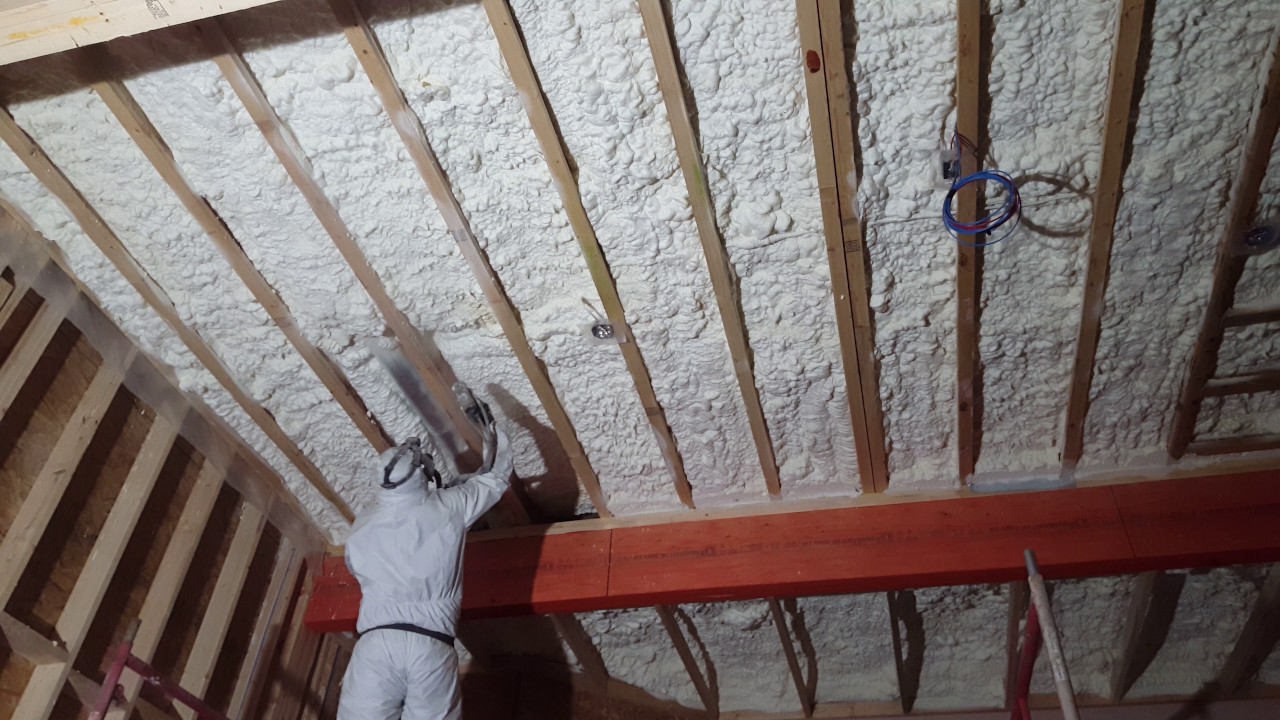
Why Closed-Cell Spray Foam Matters in Urgent Situations
Closed-cell spray foam creates a dense barrier that limits air movement and moisture entry. This section explains why timing matters when problems appear.
Once gaps or weaknesses develop, heat and humidity move freely through walls, roofs, and crawl spaces. Closed-cell spray foam addresses these issues in one application.
Market data shows buildings with air leakage can lose up to 30 percent of conditioned air, increasing energy strain and wear on HVAC systems.
Sign One Sudden Spikes in Energy Bills
Unexpected increases in energy bills often point to insulation failure. This sign usually appears before visible damage.
When conditioned air escapes, heating and cooling systems work longer. Closed-cell spray foam limits that loss by sealing gaps.
What This Looks Like in Real Buildings
Bills rise without changes in usage or weather patterns. Monthly costs become harder to predict.
Bonus Tip
Compare year-over-year bills to spot hidden insulation issues.
Sign Two: Noticeable Indoor Temperature Swings
Uneven indoor temperatures suggest weak thermal control. Some rooms feel much warmer or cooler than others.
Closed-cell spray foam helps stabilize indoor conditions by reducing air leaks within walls and ceilings.
Sign Three: Moisture or Damp Smells Indoors
Persistent damp odors often signal moisture intrusion. Closed-cell spray foam resists moisture movement better than many traditional materials.
This helps protect framing and interior finishes from long-term exposure.
Sign Four: Visible Gaps or Cracks in Walls and Roof Areas
Physical gaps allow air and moisture to move freely. These openings often form around joints, penetrations, and aging materials.
Closed-cell spray foam fills and seals these spaces in one step.
Sign Five: Frequent HVAC Cycling
Systems that turn on and off too often may struggle against air loss. This short cycling increases wear and energy use.
By sealing the building envelope, closed-cell spray foam reduces system strain.
Sign Six: Past Water Exposure or Flooding
Buildings that experienced water exposure often need insulation upgrades. Some materials hold moisture and lose effectiveness.
Closed-cell spray foam resists water absorption, making it suitable after controlled remediation.
Sign Seven: Aging or Compressed Insulation
Over time, some insulation types settle or compress. This creates gaps that reduce performance.
Closed-cell spray foam does not sag or shift once applied, helping maintain long-term coverage.
Sign Eight: Preparing for Extreme Weather Conditions
Regions with high heat or sudden temperature shifts place extra demand on insulation systems.
Closed-cell spray foam helps buildings handle these stresses by limiting air and moisture movement.
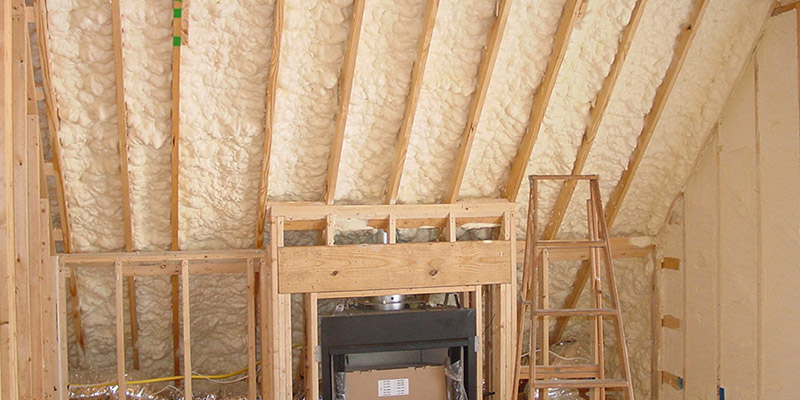
Summary Table of Warning Signs and Impacts
| Warning Sign | Common Impact | Why Closed-Cell Helps |
|---|---|---|
| High energy bills | Increased operating costs | Seals air leaks |
| Temperature swings | Reduced comfort | Stabilizes indoor air |
| Moisture odors | Interior damage risk | Limits moisture entry |
| Visible gaps | Air infiltration | Expands to fill voids |
| HVAC short cycling | System wear | Reduces air loss |
| Past water exposure | Insulation failure | Resists absorption |
| Old insulation | Energy loss | Maintains shape |
| Extreme weather prep | Structural stress | Adds barrier strength |
Things to Consider Before Making a Decision
Before moving forward, building owners should review key factors that affect results.
Building Type and Use
Residential and commercial spaces have different insulation demands. Usage patterns influence material choice.
Existing Damage Conditions
Moisture or structural issues should be addressed before insulation work begins.
Long-Term Energy Goals
Closed-cell spray foam supports long-term energy planning, not just short-term fixes.
Bonus Tip
Inspections before installation help avoid sealing hidden problems.
When Immediate Action Prevents Larger Costs
Delaying insulation upgrades often leads to higher repair costs. Energy waste compounds over time.
Closed-cell spray foam addresses multiple issues at once, which helps limit ongoing damage.
Market data indicates energy-efficient buildings often experience fewer maintenance issues over a ten-year span.
Questions People Ask About Closed-Cell Spray Foam
How fast does closed-cell spray foam work?
It begins sealing gaps as soon as it cures, often within hours.
Is closed-cell spray foam only for new buildings?
No. It is commonly used in retrofit and repair projects.
Does it help with noise?
It can reduce sound transfer by limiting air movement.
Can it be applied in small areas?
Yes. It works well for targeted sealing and full coverage.
How long does it last?
Properly applied foam maintains performance for decades.
Key Takeaways for Property Owners
Recognizing early warning signs helps protect buildings from rising costs and damage. Closed-cell spray foam insulation addresses air leaks, moisture risks, and temperature instability in one solution. Evaluating building conditions early allows owners to plan upgrades that align with long-term performance goals.
Getting Guidance on Closed-Cell Spray Foam Options
Property owners who notice these warning signs often seek professional evaluation. Supreme Spray Foam LV is one resource for learning more about closed-cell spray foam insulation services. They can be contacted at info@supremesprayfoamlv.com or by phone at (702) 904-9895 for additional information.
Reviewer: Michael Carter reviewed this article using insight gained over 12 years in the spray foam business. His feedback focused on helping contractors reach new customers without overcomplicating their message.
