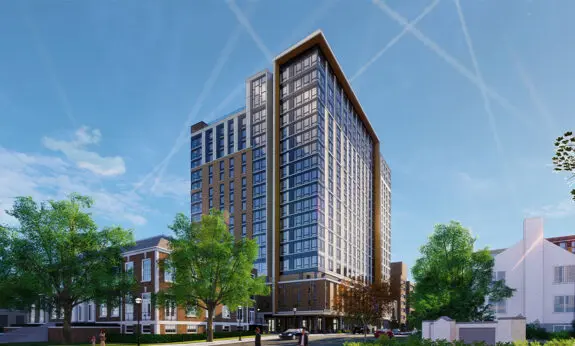
Landmark construction development is more than just building large structures it’s about reshaping cities creating jobs and improving how people live and work. In Minnesota from bustling downtown Minneapolis to growing suburbs like Maple Grove and Woodbury these iconic developments are leaving a lasting impression on the state’s skyline and economy.
This article explains what landmark construction development is how it works alongside real estate development services and why it matters to Minnesotans. Readers will discover how these transformative projects improve infrastructure boost local business and contribute to long term sustainability.
Moreover as Minnesota faces increasing population and urbanization landmark projects offer forward thinking solutions. Understanding their impact helps residents business owners and investors make informed decisions about their futures.
Understanding Landmark Construction Development
Landmark construction development refers to large scale high impact building projects that serve as visual and functional icons in a city or region. These projects may include stadiums medical centers skyscrapers transportation hubs or mixed use spaces. They often define the character and economy of a community.
Partnership with Real Estate Development Services
Real estate development services provide essential support to landmark projects. These services include land acquisition zoning analysis feasibility studies environmental assessments and investment planning. Without these services large scale construction efforts could face delays budget overruns or community opposition.
In Minnesota developers often work with local government agencies and private firms to ensure their construction aligns with housing demands commercial space needs and community goals. These partnerships lead to smarter more efficient building outcomes.
Examples of Landmark Projects in Minnesota
Minnesota is home to several standout developments that showcase the power of landmark construction. The U.S. Bank Stadium for example has become a centerpiece of Minneapolis attracting millions of visitors and supporting the local economy.
In Rochester the Destination Medical Center a multi billion dollar project anchored by Mayo Clinic is creating a new model for healthcare and urban innovation. Other developments like the North Loop Green in Minneapolis combine housing retail green space and sustainability to foster vibrant livable communities.
These examples show that landmark projects are not just about size they’re about strategic planning and lasting value.
Economic Impact and Community Development
One of the biggest advantages of landmark construction development is the boost it provides to the local economy and community. These projects bring more than just buildings they bring opportunity.
Job Creation and Small Business Growth
Construction is one of Minnesota’s strongest industries employing thousands of workers across various roles. Large scale developments create demand for architects engineers laborers and project managers. According to the Minnesota Department of Employment and Economic Development (DEED) the state’s construction industry generated over $15 billion in 2024 alone.
Additionally real estate development services support local consultants legal teams and marketing professionals. When new landmarks are built nearby restaurants shops and service providers often benefit from increased foot traffic and demand.
Property Value and Tax Revenue
Landmark developments often lead to higher property values in surrounding areas. For homeowners and investors this means stronger returns and long term equity growth. Moreover increased property values contribute to higher local tax revenues which can be reinvested in schools parks public transit and other services.
For example the redevelopment of Saint Paul’s former Ford Motor Company site into a mixed use urban village is expected to add thousands of jobs new housing units and millions in tax contributions over the next decade.
Sustainability in Landmark Construction
Modern construction practices prioritize not just building big but building smart. In Minnesota landmark developments are increasingly focused on sustainability energy efficiency and environmental stewardship.
Green Building Practices
Today’s landmark projects in Minnesota often include solar panels high efficiency HVAC systems stormwater management systems and eco friendly materials. These choices reduce a building’s environmental footprint and lower long term operating costs.
Minneapolis’ North Loop Green for instance is designed with a green roof sustainable landscaping and LEED certified materials. These features not only meet environmental regulations but also appeal to eco conscious tenants and buyers.
Real Estate Development Services and Compliance
Sustainable projects must meet both environmental and building codes. Real estate development services help developers plan for compliance with local state and federal regulations. These services also assist with green certifications like LEED (Leadership in Energy and Environmental Design) WELL Building Standard or Minnesota’s B3 Guidelines for public buildings.
Such standards ensure landmark projects remain future proof energy efficient and community friendly for decades to come.
Improving Quality of Life
Landmark construction developments in Minnesota are designed with people in mind. Beyond their physical appearance these buildings offer functional improvements that enhance daily life.
Mixed Use Spaces and Accessibility
Today’s developments often include a blend of residential retail office and public spaces. This “mixed use” design encourages walkability reduces traffic and creates vibrant connected communities. Residents can live work and shop all in one place.
A prime example is the Viking Lakes development in Eagan. The project includes office towers condos a hotel a wellness center and outdoor trails making it a one stop community hub.
Transportation and Infrastructure Upgrades
Large projects often lead to improved transportation options such as new transit stations expanded bike lanes or upgraded roads. This not only reduces commute times but also supports healthier more active lifestyles.
Minnesota’s METRO Green Line extension (Southwest LRT) while not a building in itself is part of a landmark transit infrastructure project that will reshape accessibility in the Twin Cities.
Resilience and Future Proofing
One of the key goals of landmark construction is to create buildings and communities that last for generations. This involves future proofing designs materials and layouts to adapt to change.
Climate Resilient Design
Minnesota’s changing climate brings challenges like flooding extreme cold and increased storm activity. Landmark projects now incorporate flood resistant foundations advanced insulation systems and backup power solutions to maintain functionality during adverse conditions.
Flexible Use and Space Planning
Modern buildings are also designed to evolve. Office spaces can be converted to residential units and retail centers can pivot to fulfillment hubs. Flexibility ensures that these developments stay useful even as technology and lifestyle trends shift.
Cultural Significance and Place Making
Landmark construction helps shape identity. It defines a city’s look feel and cultural reputation.
Public Art and Local Design Influence
Many Minnesota projects include murals sculptures or architecture inspired by local history and nature. These elements build pride and make spaces more meaningful for residents.
For example the Allianz Field soccer stadium in Saint Paul reflects Minnesota’s Nordic heritage in its design. It’s not just a place to watch games it’s a symbol of local pride.
Real Estate Development as Storytelling
Real estate development services often work with community leaders and artists to ensure that new projects reflect local values. This makes landmark developments more than functional they become symbols of shared identity.
Investment Potential and Long Term Value
Landmark construction development offers solid long term returns for investors developers and local governments.
Real Estate as a Safe Asset
In uncertain economic times real estate especially well planned landmark developments remains a stable investment. These projects attract long term tenants generate consistent revenue and hold strong resale value.
Economic Multiplier Effect
When a major development is built it often inspires more growth around it. This multiplier effect spreads prosperity across neighborhoods and cities creating lasting benefits for the entire region.
FAQs
Q: What is landmark construction development?
A: Landmark construction development refers to large high impact projects like stadiums medical centers or mixed use spaces that shape a city’s future.
Q: Why are real estate development services important?
A: They handle zoning land use financial planning and community outreach to ensure successful compliant and sustainable landmark projects.
Q: What are some famous projects in Minnesota?
A: U.S. Bank Stadium Destination Medical Center in Rochester and North Loop Green in Minneapolis are standout examples.
Q: How do these developments impact property values?
A: They typically increase surrounding property values boost local business and improve community infrastructure.
Conclusion
Landmark construction development in Minnesota is transforming communities boosting economies and setting the stage for a sustainable future. These projects supported by real estate development services go beyond bricks and mortar. They represent smart planning cultural relevance and forward thinking design.
Whether it’s a multi use complex in downtown Saint Paul or a green certified medical campus in Rochester these landmarks shape not only our skylines but our daily lives. For residents investors and city planners understanding the full scope of these developments is key to building stronger more resilient Minnesota communities.
As the state continues to grow landmark construction development will remain at the forefront of innovation identity and investment.