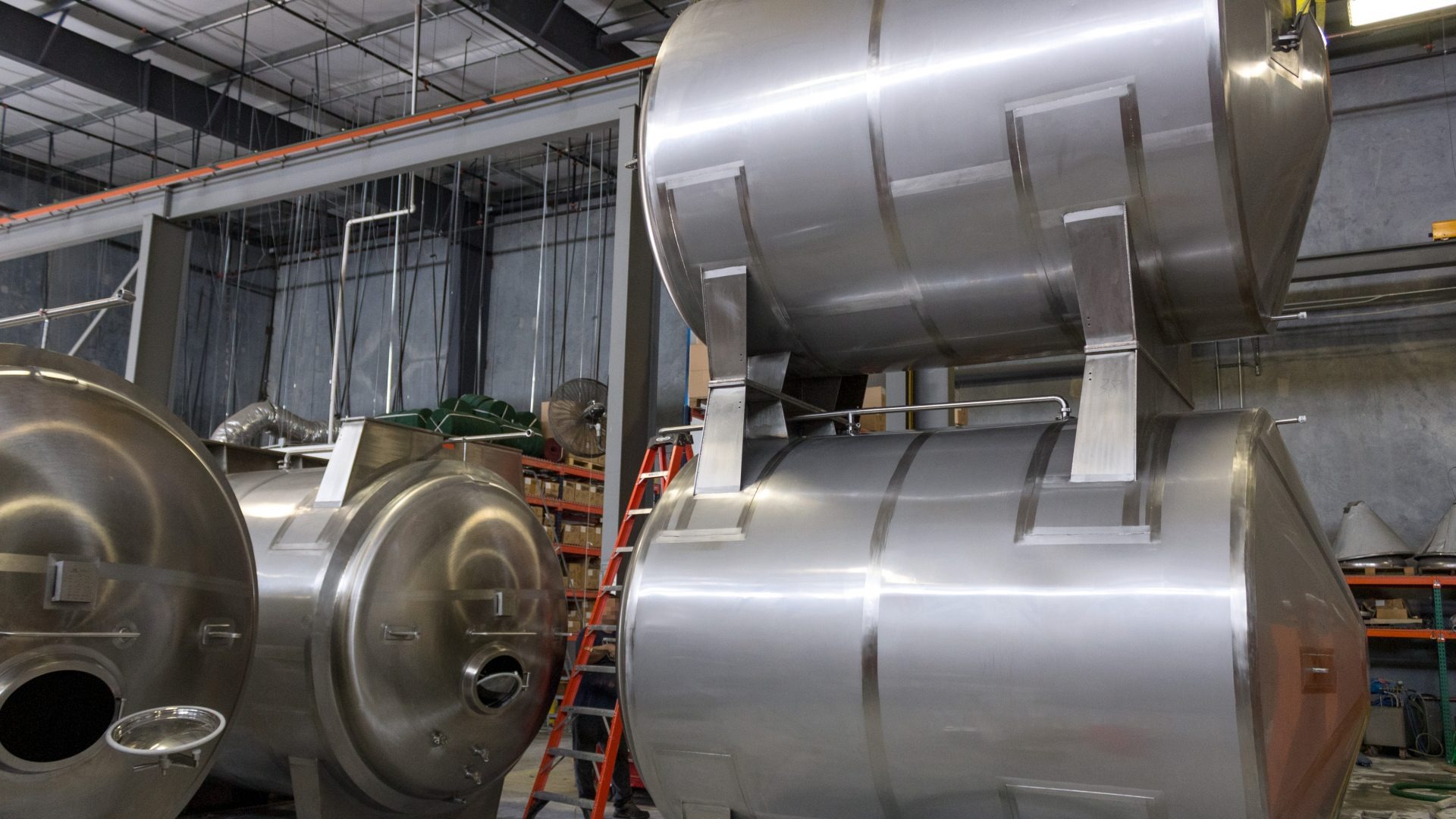
In today’s fast-paced industrial landscape, efficiency, consistency, and scalability are critical for manufacturing success. Among the many technological tools that drive modern production, the bioreactor stands out as a pivotal piece of equipment. From food processing to beverage production and brewing, bioreactors play a crucial role in optimizing processes, ensuring product quality, and increasing overall productivity. Leading manufacturers like Cedarstone Industry provide cutting-edge bioreactor solutions that cater to diverse industrial needs, offering complete systems designed for both small-scale and large-scale operations.
What is a Bioreactor?
A bioreactor is a specialized vessel or system designed to support biological processes under controlled conditions. Unlike ordinary tanks, bioreactors are engineered to maintain optimal temperature, pH, oxygen levels, and nutrient supply to facilitate microbial growth, enzymatic reactions, or cell cultivation. These systems are critical in industries where precise control over biological activity directly impacts product quality, yield, and safety.
Modern bioreactors are highly versatile and can be customized to meet the unique needs of various industries. For example, in food processing, they are used to cultivate beneficial bacteria for products like yogurt or fermented sauces. In brewing, they facilitate controlled yeast fermentation to produce consistent and high-quality beer. The extraction industry also benefits from bioreactors for efficient bio-based chemical production. By integrating automation, sensors, and monitoring tools, manufacturers can ensure repeatable and reliable processes while reducing human error.
Types of Bioreactors: Stirred, Airlift, and Fixed-Bed
Bioreactors come in several designs, each suited to specific applications. Understanding the differences between these types is essential for selecting the right system for your production needs.
Stirred Bioreactors
Stirred bioreactors are among the most common types used in industrial applications. They consist of a tank equipped with an impeller that continuously stirs the culture medium. This agitation promotes uniform distribution of nutrients and gases, enhancing microbial growth and product formation. Stirred bioreactors are particularly effective for liquid-phase processes and are widely used in beverage fermentation, pharmaceutical production, and food processing.
Airlift Bioreactors
Airlift bioreactors operate using air or gas to circulate the culture medium. By introducing gas at the bottom of the vessel, the liquid is naturally circulated, eliminating the need for mechanical stirring. This method reduces shear stress on delicate cells and microorganisms, making it ideal for applications requiring gentle handling, such as plant cell cultures or probiotic production. Airlift bioreactors are highly energy-efficient and offer excellent scalability for industrial production.
Fixed-Bed Bioreactors
Fixed-bed bioreactors are designed with a solid matrix or support where cells or microorganisms attach and grow. The culture medium flows through this matrix, delivering nutrients and removing waste products. This design is highly suitable for processes involving immobilized cells, enzyme production, and certain fermentation techniques. Fixed-bed bioreactors offer long-term stability and can produce high yields over extended operation periods, making them a valuable choice for both food and extraction industries.
Applications Across Food, Beverage, and Brewing Industries
Bioreactors are indispensable in several industrial sectors, particularly in food, beverage, and brewing. In the food industry, bioreactors facilitate the production of fermented products such as yogurt, cheese, and soy-based foods. By controlling growth conditions and fermentation rates, manufacturers can achieve consistent taste, texture, and nutritional value.
In the beverage industry, especially brewing, bioreactors allow precise control over yeast fermentation. This control ensures consistent alcohol content, flavor profile, and carbonation in beers, wines, and specialty beverages. Cedarstone Industry offers bioreactors tailored for brewing applications, combining robust construction with sanitary design to meet strict hygiene standards.
Extraction industries also rely on bioreactors for bio-based compound production, including enzymes, natural flavors, and plant-derived chemicals. By optimizing growth conditions and automating control processes, these systems enhance product yield and reduce production costs. The versatility of bioreactors makes them a critical investment for any manufacturer seeking efficiency and high-quality outputs.
How Bioreactors Enhance Production Efficiency
The introduction of bioreactors into industrial processes brings several efficiency benefits. First, they enable precise control over environmental parameters, ensuring optimal growth and product formation. This reduces waste, improves consistency, and minimizes the risk of contamination.
Automation features in modern bioreactors allow real-time monitoring of parameters such as temperature, pH, dissolved oxygen, and nutrient levels. This data-driven approach enables manufacturers to make informed adjustments quickly, improving throughput and reliability. Furthermore, bioreactors can be scaled to handle small research batches or large industrial volumes, providing flexibility across different stages of production.
Cedarstone Industry emphasizes customization in bioreactor design, allowing clients to choose features such as mixing systems, heating or cooling jackets, and integrated cleaning protocols. These options ensure that each bioreactor aligns perfectly with the specific requirements of the production line, ultimately boosting operational efficiency and reducing downtime.
Conclusion
Bioreactors have transformed modern industrial production by providing controlled environments that maximize biological activity and product yield. From food fermentation to brewing and extraction, these systems enable manufacturers to maintain consistent quality while improving efficiency and scalability. Choosing the right type of bioreactor—whether stirred, airlift, or fixed-bed—depends on the unique needs of each application, but the benefits remain universal: enhanced control, reduced waste, and higher productivity.
Leading manufacturers like Cedarstone Industry provide high-quality, customizable bioreactor solutions, backed by rigorous quality standards and decades of experience. By investing in a well-designed bioreactor system, industrial operators can ensure that their production processes are not only efficient and reliable but also prepared to meet the evolving demands of modern markets.