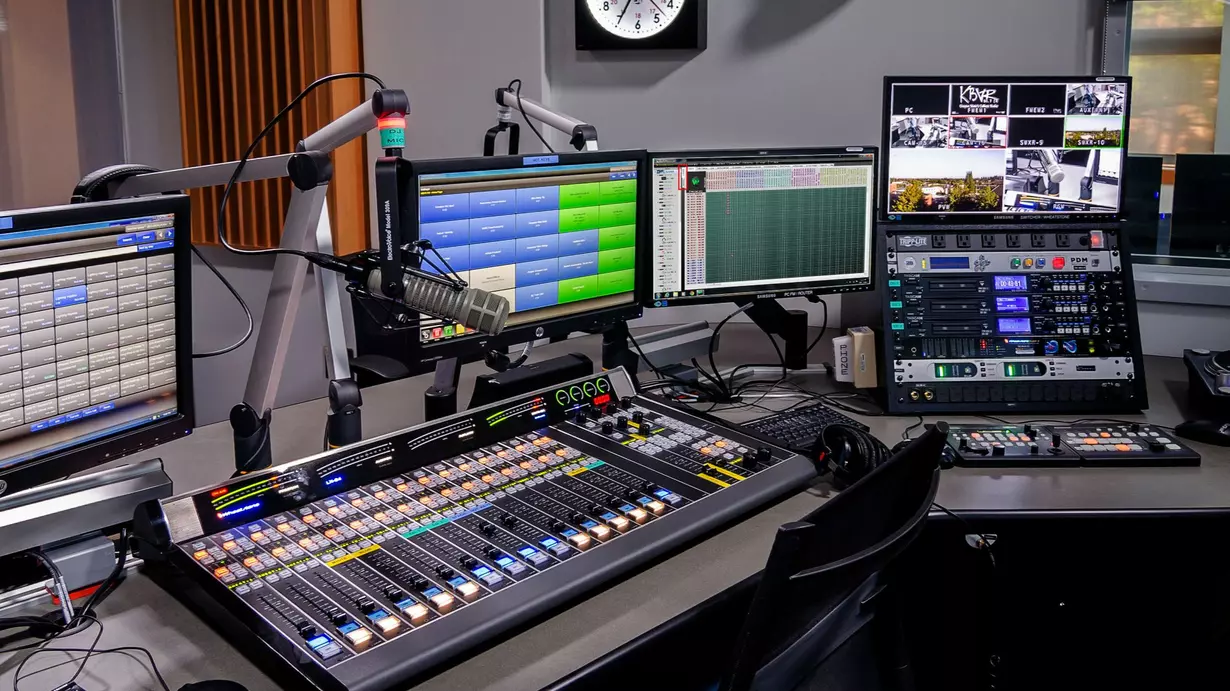
In an era where digital media dominates, radio remains a cherished medium for many. However, to thrive in today’s competitive landscape, radio stations must adapt and innovate. One of the most effective ways to do this is through the use of radio station software. This technology not only streamlines operations but also plays a crucial role in fostering a vibrant listener community. In this article, we’ll explore how radio station software can help build a stronger connection between stations and their audiences, ultimately enhancing community engagement and loyalty.
The Changing Landscape of Radio Broadcasting
Traditionally, radio broadcasting was a one-dimensional experience. Listeners tuned in to their favorite shows, but interaction was limited. The rise of the internet and social media has transformed this model, enabling a two-way conversation between broadcasters and audiences. Listeners now expect more than just passive consumption; they want to engage, interact, and be part of the experience. This shift necessitates a robust strategy that can be effectively supported by radio station software.
Understanding Radio Station Software
At its core, radio station software encompasses a variety of tools and applications designed to facilitate the broadcasting process. These tools can automate scheduling, manage playlists, track listener metrics, and integrate with social media platforms. The right software can empower radio stations to create dynamic content, engage their audiences, and ultimately strengthen community ties.
Key Features of Radio Station Software
- Automation and Scheduling: One of the standout features of radio station software is its ability to automate broadcasting schedules. This ensures that content is delivered consistently, allowing listeners to develop routines around their favorite shows. Regular programming helps build anticipation and a sense of community among listeners.
- Listener Analytics: Understanding your audience is critical for engagement. Radio station software provides valuable insights into listener demographics, preferences, and behaviors. By analyzing this data, stations can tailor their content to better meet the needs and desires of their audience, fostering a stronger community.
- Interactive Features: Modern listeners crave interaction. Radio station software often includes features such as live chat, social media integration, and call-in options. These interactive elements not only enhance listener engagement but also create a sense of belonging. When listeners can participate in discussions or share their opinions, they feel more connected to the station.
- Content Management: A robust content management system (CMS) is vital for organizing and distributing content effectively. Radio station software allows stations to curate diverse programming—music, talk shows, interviews, and podcasts—catering to various interests within their listener community.
- Multi-Platform Broadcasting: Today’s listeners consume content across multiple platforms, from traditional radio to online streaming and mobile apps. Radio station software enables seamless broadcasting on these various channels, ensuring that stations can reach their audience wherever they are.
Building a Sense of Community
Creating a sense of community around a radio station involves more than just broadcasting quality content. It requires intentional efforts to foster relationships and interaction. Here are several strategies stations can implement to build a stronger listener community using radio station software:
1. Host Community Events
Organizing events—whether virtual or in-person—can significantly enhance the bond between a radio station and its listeners. Using radio station software, stations can promote these events, manage registrations, and engage with attendees through live broadcasts or social media coverage. Events such as listener appreciation days, live concerts, or community discussions can create memorable experiences that deepen connections.
2. Encourage User-Generated Content
Listeners enjoy sharing their voices and opinions. Radio stations can solicit user-generated content, such as song requests, personal stories, or opinions on various topics. With the right radio station software, stations can easily collect, manage, and broadcast this content. This approach not only enriches the programming but also strengthens community ties by showcasing diverse perspectives.
3. Leverage Social Media for Engagement
Social media is a powerful tool for community building. Stations can use their platforms to share content, interact with listeners, and promote upcoming shows or events. By integrating social media into their radio station software, stations can monitor engagement metrics and adjust their strategies to foster a more vibrant community. Engaging with listeners through polls, Q&A sessions, and live chats can make them feel more connected to the station.
4. Create Exclusive Content for Loyal Listeners
Loyalty programs can incentivize listeners to engage more deeply with a station. Using radio station software, stations can create exclusive content, such as behind-the-scenes access, special interviews, or early access to new music. This not only rewards loyal listeners but also encourages others to engage more actively in hopes of gaining similar benefits.
5. Facilitate Feedback and Improvement
Listener feedback is invaluable for growth. Radio station software often includes tools for surveys and feedback collection, allowing stations to understand what their audience loves and what they would like to see improved. By actively seeking and implementing listener suggestions, stations can demonstrate that they value their community’s input, fostering a culture of collaboration and engagement.
Diversity and Inclusion in Listener Communities
A strong listener community is often a diverse one. Radio stations can use their software to reach out to various demographic groups, ensuring that different voices and perspectives are represented. Here are some strategies to consider:
1. Tailor Content for Different Audiences
By leveraging listener analytics, stations can identify niche audiences and develop targeted content that resonates with them. This might include specialized programs for different age groups, cultural backgrounds, or interests. Catering to diverse audiences helps build a more inclusive community.
2. Promote Inclusivity
Creating a welcoming environment for all listeners is crucial. Stations can celebrate diversity by featuring a range of music genres, cultural discussions, and community stories. By showcasing underrepresented voices, stations can foster a more inclusive community that resonates with a broader audience.
3. Collaborate with Local Organizations
Partnering with local community organizations can help stations engage with diverse audiences. Whether it’s promoting local events, highlighting community issues, or collaborating on special programs, these partnerships can strengthen ties within the community and broaden the station’s reach.
Measuring Community Engagement
To ensure that efforts to build a listener community are effective, radio stations must continually measure their success. Radio station software typically includes analytics tools that allow stations to track key performance indicators (KPIs) such as:
- Listener growth
- Engagement rates
- Content popularity
- Feedback responses
By regularly analyzing these metrics, stations can refine their strategies, improving community engagement and satisfaction over time.
Conclusion
In today’s fast-paced media landscape, building a strong listener community is essential for radio stations to thrive. By leveraging radio station software effectively, broadcasters can create personalized, interactive experiences that resonate with their audiences. From automated scheduling to real-time engagement features, the right tools can help stations foster a sense of belonging among listeners, driving loyalty and enhancing the overall listening experience. As radio continues to evolve, those stations that prioritize community building will not only survive but flourish in the ever-changing world of broadcasting.