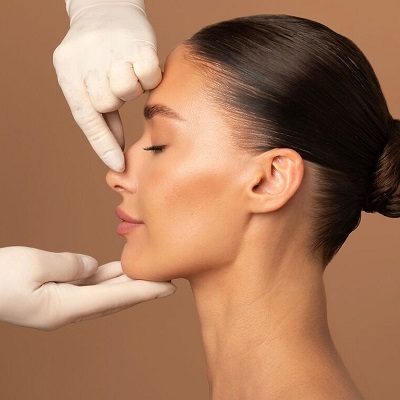
A flat nose can be a source of concern for many individuals seeking facial harmony and balance. Rhinoplasty, a surgical procedure aimed at reshaping and enhancing the nose, has become a reliable solution for those looking to improve nasal projection. In Oman, patients seeking Rhinoplasty in Oman are increasingly exploring options to achieve a more defined nasal profile while maintaining natural facial aesthetics.
Understanding the techniques, expectations, and recovery process is essential for anyone considering this type of rhinoplasty. This guide provides an in-depth look at how rhinoplasty can enhance a flat nose, what to expect before and after surgery, and tips for a smooth recovery.
Understanding a Flat Nose
A flat nose is typically characterized by:
-
Low nasal bridge
-
Reduced nasal tip projection
-
Limited definition between the nose and surrounding facial features
This nasal structure can be influenced by genetics, ethnicity, or previous trauma. A flat nose may impact facial balance, causing the nose to appear less prominent or less defined in profile.
Rhinoplasty for a flat nose focuses on increasing projection, refining the tip, and creating a natural, harmonious contour that complements the patient’s facial features.
Surgical Techniques for Enhancing Nasal Projection
Enhancing a flat nose requires precise surgical planning and individualized techniques. The following approaches are commonly used:
1. Cartilage Grafting
Cartilage grafts are often harvested from the patient’s septum, ear, or rib. These grafts are used to build up the nasal bridge and tip, providing structure and improved projection. Cartilage grafting allows for long-lasting results while maintaining flexibility and natural movement.
2. Dorsal Augmentation
Dorsal augmentation focuses on raising the bridge of the nose to create a more defined profile. Depending on the patient’s anatomy, this may involve cartilage grafts or synthetic materials, carefully shaped to match facial proportions.
3. Tip Refinement
For a flat nose, the tip may lack projection or definition. Tip refinement techniques involve reshaping cartilage, supporting the nasal tip with grafts, and adjusting the angles for improved projection and symmetry.
4. Closed vs. Open Rhinoplasty
-
Closed Rhinoplasty: Incisions are made inside the nostrils, leaving no external scars. This approach may be suitable for minor projection adjustments.
-
Open Rhinoplasty: Involves a small incision across the columella, allowing greater visibility and precision, especially for complex cases requiring significant projection enhancement.
Pre-Operative Considerations
Before undergoing rhinoplasty for a flat nose, patients should discuss the following with their surgeon:
-
Facial analysis: Ensuring the nose harmonizes with the overall facial structure
-
Realistic expectations: Understanding the achievable degree of projection and natural outcome
-
Medical history: Identifying conditions that may affect healing or surgery
-
Photographic simulation: Visualizing potential results through digital imaging
Proper pre-operative planning is crucial to achieving a balanced and aesthetically pleasing result.
Recovery After Rhinoplasty for a Flat Nose
Recovery is a gradual process, and managing expectations is important. Key aspects include:
1. Swelling and Bruising
Swelling around the nose and eyes is common during the first week. Most bruising resolves within 7–10 days, but mild swelling may persist for several weeks.
2. Nasal Splints and Packing
Surgeons may use splints or internal packing to stabilize the newly shaped nose. These are typically removed within 5–7 days, after which patients often notice improved comfort and a clearer nasal airway.
3. Pain Management
Discomfort is usually moderate and can be managed with prescribed pain relievers or over-the-counter medications. Cold compresses and head elevation help reduce swelling and tenderness.
4. Activity Restrictions
Patients are advised to avoid strenuous exercise, heavy lifting, or contact sports for 3–6 weeks. Gentle walking and light activity can promote circulation without compromising healing.
5. Long-Term Healing
The nasal tissues gradually settle into their new shape over several months. Final results are usually visible after 6–12 months, with subtle refinements continuing during this period.
Tips for Optimal Results
Enhancing a flat nose requires careful attention during recovery. Patients can follow these tips:
-
Follow surgeon instructions: Adhering to post-operative care guidelines reduces complications and supports healing.
-
Avoid trauma: Protect the nose from accidental bumps or pressure during the healing period.
-
Stay hydrated and maintain a healthy diet: Proper nutrition supports tissue repair and reduces inflammation.
-
Limit sun exposure: Protecting the nose from UV rays helps prevent skin discoloration or scarring.
-
Attend follow-up appointments: Regular check-ups ensure the healing process is progressing as expected.
FAQs About Rhinoplasty for a Flat Nose
1. Is rhinoplasty for a flat nose painful?
Most patients experience moderate discomfort, which can be managed with medications. Swelling and tenderness are more common than severe pain.
2. How long does it take to see results?
Initial changes are visible after splint removal, but final results usually appear after 6–12 months as swelling subsides and tissues settle.
3. Can rhinoplasty for a flat nose improve breathing?
Yes. If combined with functional corrections such as septoplasty, rhinoplasty can enhance nasal airflow while improving appearance.
4. Are there risks of scarring?
Minimal scarring is expected, especially with closed rhinoplasty. Open rhinoplasty may leave a tiny columella scar, which typically fades over time.
5. How long is the recovery period?
Most patients return to normal daily activities within 1–2 weeks. Full recovery, including resolution of swelling, may take several months.
6. Is cartilage grafting necessary for all flat noses?
Not always. The need for grafting depends on the patient’s anatomy and the degree of projection enhancement required. The surgeon determines the best approach during consultation.
Final Thoughts
Rhinoplasty for a flat nose offers a transformative solution for enhancing nasal projection and achieving facial harmony. Patients seeking Rhinoplasty in Oman can benefit from modern surgical techniques that focus on natural results, minimal scarring, and functional improvements.
By understanding the procedure, recovery process, and realistic outcomes, patients can approach rhinoplasty with confidence. Proper planning, an experienced surgeon, and diligent post-operative care ensure a safe and satisfying transformation, allowing the nose to complement facial features beautifully and naturally.