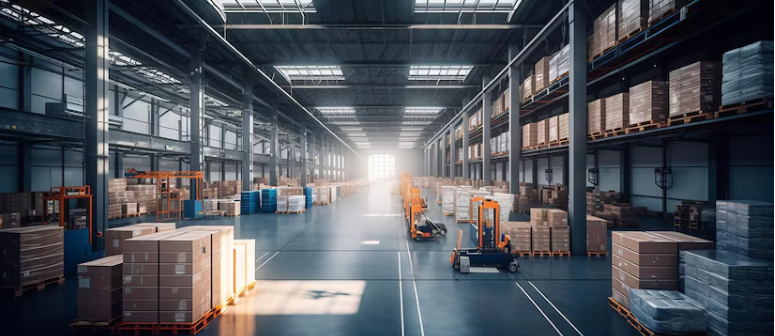
One of the most critical elements in this chain is warehousing. Whether you are a small online retailer or a large ecommerce giant, the role of a warehouse for ecommerce cannot be overstated. This blog explores the importance of warehousing in ecommerce supply chains, its impact on operational efficiency, and how businesses can leverage modern warehouse solutions to improve performance.
What is Warehousing in Ecommerce?
Warehousing refers to the process of storing goods before they are distributed to customers. In an ecommerce supply chain, it plays a central role in inventory management, order fulfillment, and distribution. Ecommerce businesses rely on warehouses to store products, manage stock, and process customer orders efficiently.
Effective warehousing ensures that businesses can meet customer demand by keeping inventory at optimal levels and reducing the time it takes to ship orders. A warehouse for ecommerce need to be strategically located, well-equipped, and optimized to handle various types of products and order volumes.
The Role of Warehousing in Ecommerce Supply Chains
Inventory Management
Inventory management is the backbone of any successful ecommerce operation. Without proper storage and organization, businesses face stockouts, excess inventory, or misplaced products, all of which can negatively impact profitability. A well-maintained warehouse allows businesses to track products in real-time, ensuring that inventory levels match customer demand. Additionally, ecommerce warehouses often integrate advanced technology like barcodes and RFID systems to streamline stock tracking and reduce human error.
Faster Order Fulfillment
Order fulfillment is one of the most critical aspects of ecommerce. Consumers expect quick deliveries, often within 1-3 days, or even faster in some cases. By having a strategically placed warehouse, businesses can reduce shipping times and costs, offering faster delivery options to customers. This improves customer satisfaction and retention, essential for staying competitive in the ecommerce industry.
Cost-Efficiency
Warehousing helps ecommerce businesses reduce operational costs. Without proper storage, companies would need to rent expensive spaces for inventory, leading to increased operational expenses. In contrast, using a dedicated warehouse for ecommerce allows businesses to store goods in bulk, minimizing the need for constant restocking. Moreover, warehouses can centralize fulfillment, allowing businesses to handle multiple orders efficiently, saving both time and money.
Streamlining Returns
Handling returns is an inevitable part of any ecommerce business. Customers often return products, whether due to sizing issues, quality concerns, or changes in preferences. A well-organized warehouse plays a crucial role in handling these returns quickly and effectively. Proper returns management ensures that returned products are inspected, restocked, or refunded in a timely manner, helping businesses maintain a positive relationship with their customers.
How Warehousing Impacts Customer Experience
The connection between warehousing and customer experience cannot be overlooked. Ecommerce businesses that invest in efficient warehouses tend to provide better services to their customers. Here are a few ways warehousing impacts the customer journey:
Reduced Shipping Times
As ecommerce consumers increasingly prioritize quick delivery, the speed at which an order is processed and shipped has become a significant factor in customer satisfaction. By positioning warehouses in strategic locations, such as near high-demand regions, businesses can cut down on delivery times and provide faster shipping options.
Enhanced Order Accuracy
Accuracy is critical in ecommerce. Customers expect to receive the right product, in the right quantity, and on time. Advanced warehouse management systems (WMS) help ensure that orders are processed correctly, reducing human errors and returns. By maintaining an organized inventory and having clear processes in place, ecommerce businesses can avoid the mistakes that might lead to unhappy customers.
Inventory Availability
One of the most frustrating experiences for an ecommerce customer is ordering a product only to find out it is out of stock. A reliable warehouse system ensures that businesses can track inventory levels in real-time and restock popular items promptly. This way, customers are less likely to face delays, and ecommerce businesses avoid lost sales.
The Growing Importance of Logistics Parks in Ecommerce
In recent years, logistics parks have become essential hubs for ecommerce businesses. These large, multi-use facilities provide everything from warehousing to distribution, reducing the overall complexity of the supply chain. Particularly in urban centers like Hyderabad, logistics parks offer proximity to major transport routes, improving efficiency in the movement of goods.
Benefits of a Logistics Park in Hyderabad
Hyderabad, one of India’s fastest-growing cities, has become a prominent location for ecommerce businesses to set up warehouses and distribution centers. The city’s strategic location in southern India provides easy access to major highways, ports, and airports, making it an attractive destination for companies seeking to optimize their supply chains.
A logistics park in Hyderabad offers several benefits:
Reduced Transportation Costs: With easier access to transportation routes, businesses can reduce shipping costs and delivery times.
Optimized Storage Solutions: Logistics parks offer large-scale, state-of-the-art warehousing facilities that can be customized to meet the unique needs of ecommerce businesses.
Scalability: As demand grows, logistics parks can easily accommodate the expansion of operations, enabling businesses to scale their warehousing needs.
Considerations for Ecommerce Businesses When Choosing Warehousing Solutions
Location
The location of your warehouse is one of the most important factors in optimizing your supply chain. A strategically placed warehouse for ecommerce can reduce shipping costs, improve delivery speeds, and ensure that you can meet customer expectations. Consider proximity to major cities, transport hubs, and customer demographics when choosing a warehouse location.
Technology Integration
In today’s digital age, warehouses that leverage technology can offer substantial advantages. Automated systems, real-time tracking, and data analytics improve efficiency and accuracy. Implementing a warehouse management system (WMS) helps streamline inventory management, order fulfillment, and returns.
Scalability and Flexibility
As your ecommerce business grows, so will your warehousing needs. Choose a warehouse solution that can scale with your business, offering flexible storage options and expanding capabilities as demand increases.
Conclusion
Warehousing plays a crucial role in the success of ecommerce businesses. From efficient inventory management to faster order fulfillment and improved customer satisfaction, the right warehouse solution can make all the difference. Additionally, with the rise of logistics parks, such as those in Hyderabad, ecommerce businesses can benefit from cutting-edge facilities that streamline their supply chains. Investing in a well-organized, strategically located warehouse ensures that your business stays competitive and delivers the best possible experience to your customers.