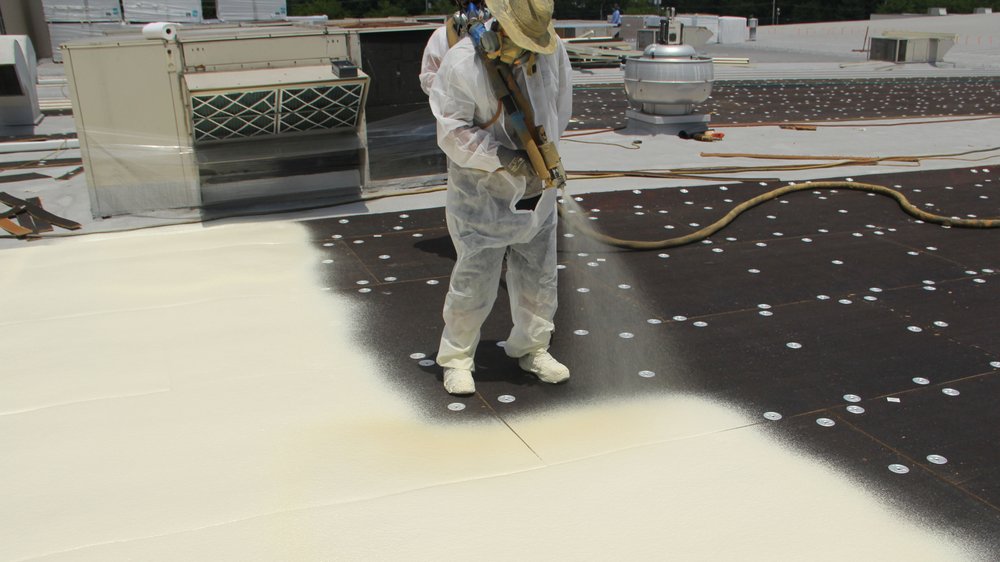
The secret to making a spray polyurethane foam (SPF) roof last for decades isn’t complicated. According to industry professionals, long-term care comes down to a simple, proactive routine: conducting regular visual inspections, keeping the roof surface clean, and scheduling timely recoating of the protective top layer. While SPF systems are remarkably durable and energy-efficient, they are not a “set it and forget it” solution. Proper maintenance ensures the roof performs as expected for its entire service life, which can often exceed 30 years.
This guide breaks down the essential maintenance practices shared by seasoned experts. It offers practical steps for building owners and property managers to protect their Spray Foam Roofing Insulation investment, prevent minor issues from becoming costly problems, and understand the factors that contribute to a long-lasting, leak-free roof. The advice is based on years of hands-on experience installing and maintaining these systems in real-world conditions.
The Foundation of SPF Roof Longevity Proactive Maintenance
An effective maintenance plan begins with regular observation. Most issues with an SPF roof start small and are easy to fix if caught early. Experts recommend a semi-annual inspection schedule, typically in the spring and fall, to prepare for and recover from harsh weather seasons.
During these walk-throughs, property managers should look for:
- Debris: Leaves, branches, and other organic matter can hold moisture against the roof coating, encouraging mildew or algae growth. They can also clog drains and scuppers, leading to standing water.
- Surface Damage: Check for any blisters, cracks, or punctures in the topcoat. These can be caused by dropped tools, heavy foot traffic, or hail.
- Thinning Coating: Pay close attention to high-traffic areas and spots with direct, intense sun exposure. Over time, the coating will slowly wear away, and identifying thinning areas early allows for simple touch-ups.
- Drainage Issues: Ensure all drains, scuppers, and gutters are clear and functioning correctly. Ponding water can accelerate coating wear, especially if the wrong type of coating was used.
Cleaning is just as important. A simple low-pressure wash or a stiff-bristle broom can remove most dirt and debris. Avoid using high-pressure power washers, which can damage the foam and its protective coating if used improperly.
Bonus Tip: Pay special attention to the areas around rooftop equipment, vents, and flashing. These penetrations are where most roof issues originate, so ensuring the sealant and foam around them are intact is a top priority.

Understanding and Maintaining the Protective Coating
The polyurethane foam that forms the base of an SPF roof is not stable under ultraviolet (UV) light. It requires a protective topcoat to shield it from the sun’s rays. This elastomeric coating is the roof’s first line of defense against weather, physical damage, and UV degradation. The SPF roofing market has seen steady growth, partly because of the system’s effectiveness, but its success depends entirely on the integrity of this coating.
Different coatings offer different levels of protection and are suited for various environments. Choosing the right one is a big part of long-term planning.
Comparing Common SPF Roof Coatings
| Coating Type | Key Characteristics | Best For | Typical Lifespan (Years) |
|---|---|---|---|
| Acrylic | Water-based, reflective, and cost-effective. Loses thickness over time with exposure. | Buildings with good drainage and in climates with less rainfall. | 10-15 |
| Silicone | Moisture-cured and excellent for waterproofing. Resists ponding water and UV degradation. | Flat roofs with poor drainage or in rainy climates. | 15-20 |
| Urethane | Very durable and resistant to abrasion and chemical exposure. Often used as a base coat. | Roofs with high foot traffic or industrial chemical exposure. | 20+ |
Eventually, even the best coating will need to be replaced. A “recoat” involves cleaning the roof surface and applying a new layer of coating. This process is far less expensive and disruptive than a full roof replacement. A well-maintained SPF roof can be recoated multiple times, extending its life almost indefinitely.
Common Issues and How to Address Them
One of the main benefits of an SPF roof is its repairability. Unlike many conventional roofing systems, damage is often localized and simple to fix.
- Punctures and Gouges: If a sharp object creates a small hole, the repair is straightforward. A professional will clean the area, dry it out completely, fill the hole with a compatible sealant or fresh foam, and then reapply the protective coating over the patch.
- Blisters: Occasionally, a small pocket of air or moisture can get trapped, forming a blister under the coating. If the blister is intact, it can often be left alone. If it has broken open, it should be cut out, dried, and repaired like a puncture.
- Cracking or Peeling Coating: This usually indicates that the coating has reached the end of its life or was applied improperly. This is a clear sign that it’s time to schedule a full recoat to protect the underlying foam.
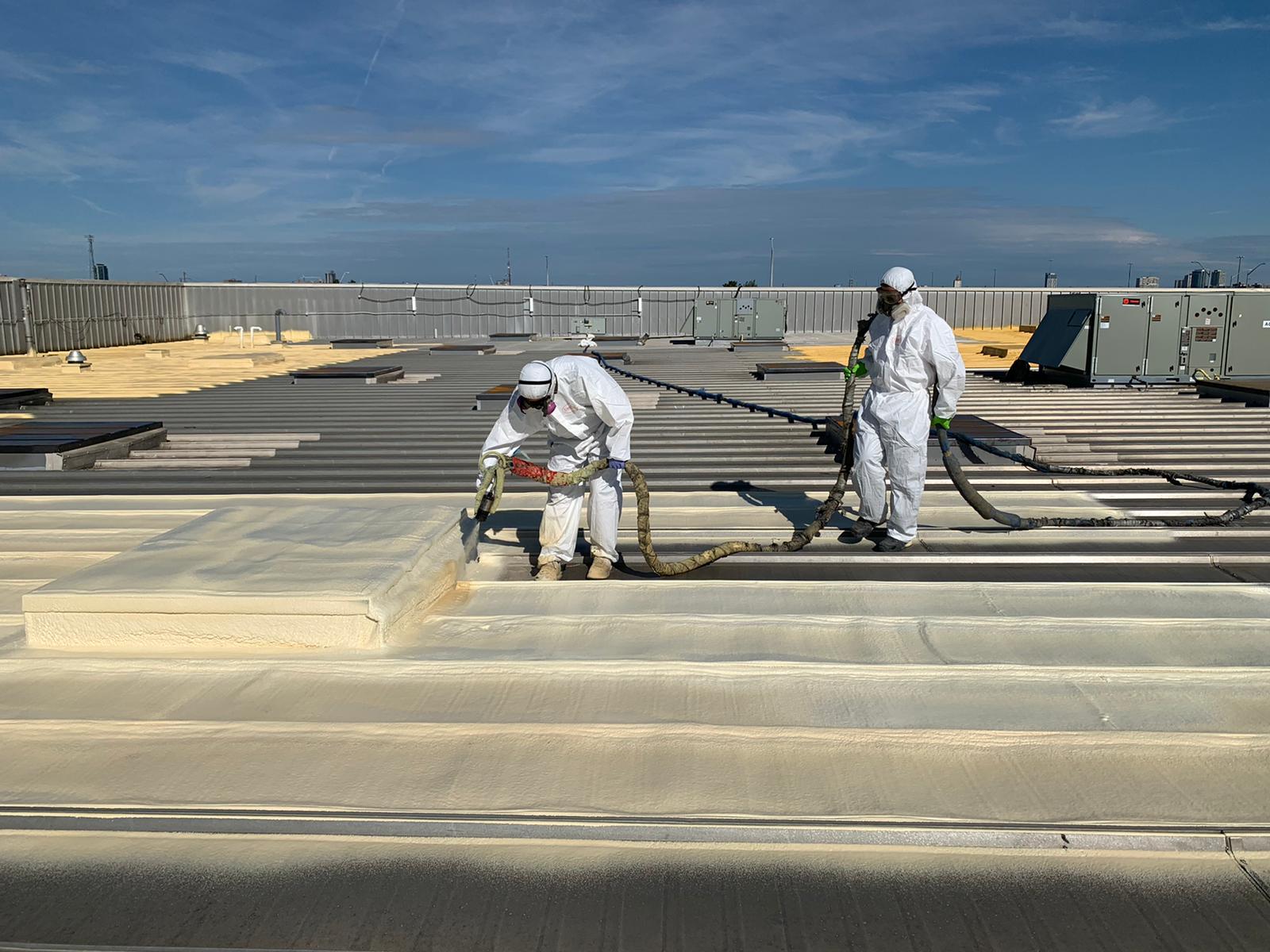
The key is to address these issues as soon as they are spotted. A small, inexpensive repair today prevents a much larger, more expensive problem tomorrow.
Climate Considerations for Your SPF Roof
The local climate directly affects how an SPF roof ages and what kind of maintenance it needs. In a humid subtropical climate like Raleigh, North Carolina, building owners face specific challenges. The high humidity and frequent rain create a perfect environment for algae and mildew to grow on the roof surface. Regular cleanings are essential to prevent this buildup, which can degrade the coating over time.
Summer brings intense UV radiation, which is the primary enemy of the roof’s coating. Using a high-quality, highly reflective coating like silicone or a premium acrylic can help protect the roof and also lower building cooling costs by reflecting sunlight. Hurricane season is another consideration. Before the season begins, it’s smart to inspect the roof for any potential weak spots and ensure all rooftop equipment is securely fastened.
Things to Consider Before Making a Decision
Before committing to a long-term maintenance plan or even a new SPF roof, building owners should think about a few factors. First is the building’s use. A roof with a lot of foot traffic from HVAC technicians will require a more durable coating and more frequent inspections. The building’s location and surrounding environment also matter. A roof under a dense canopy of trees will need more frequent cleaning than one in an open field. Finally, budget for the future. While recoating is cheaper than replacement, it’s still an expense that should be planned for well in advance.
Questions People Ask About Spray Foam Roof Maintenance
Can I walk on my spray foam roof?
Yes, SPF roofs are strong enough to handle regular foot traffic. However, it’s important to be careful. Avoid wearing shoes with sharp heels or dropping heavy, pointed tools that could puncture the surface. If frequent access is needed, designated walkways can be installed.
How often should I have my SPF roof professionally inspected?
While semi-annual self-inspections are good practice, having a professional roofing contractor inspect the roof once a year is highly recommended. They can spot subtle issues that an untrained eye might miss and provide a detailed condition report.
What happens if the coating wears off completely?
If the protective coating is allowed to wear away, the foam underneath will be exposed to direct sunlight. UV radiation will cause the foam’s surface to become brittle and break down into a fine powder. This compromises the roof’s integrity and waterproofing capabilities.
Can an SPF roof be repaired or does it need full replacement?
Superior repairability is a major advantage of SPF roofing. Unlike systems where a small leak can require tearing off a large section, damage to an SPF roof is localized. A technician can simply remove the damaged area and reapply foam and coating.
Does the foam absorb water?
Closed-cell spray foam, the type used in roofing, is waterproof. It has a dense structure that does not allow water to pass through it. Water intrusion only becomes a risk if the foam itself is physically damaged or the protective coating fails over a large area.
Final Thoughts on Protecting Your Investment
A spray foam roof is a long-term asset for any commercial or residential building. Its longevity, however, is not guaranteed without proper care. A simple and consistent maintenance routine focused on cleanliness, regular inspections, and timely recoating will ensure the roof performs efficiently for decades. Proactive care is always more effective and less expensive than dealing with the consequences of neglect. By following these expert tips, property owners can maximize their return on investment and enjoy a worry-free, energy-efficient roof.
Getting Professional Guidance on Your Roof
For property owners in North Carolina who want a thorough assessment of their current roof or are considering a new spray foam insulation system, it’s often best to consult with specialists. A professional evaluation can help create a maintenance schedule tailored to a specific building and climate. The team at Raleigh Excel Spray Foam Insulation has experience with these systems and can offer detailed reports and service plans. They can be reached for consultations by calling (919) 301-9435 or sending an email to info@raleighexcelsprayfoam.com.
Reviewer: With nearly a decade in the spray foam insulation field, William Harris reviewed this post and provided guidance that reflects both technical understanding and real-world marketing experience.