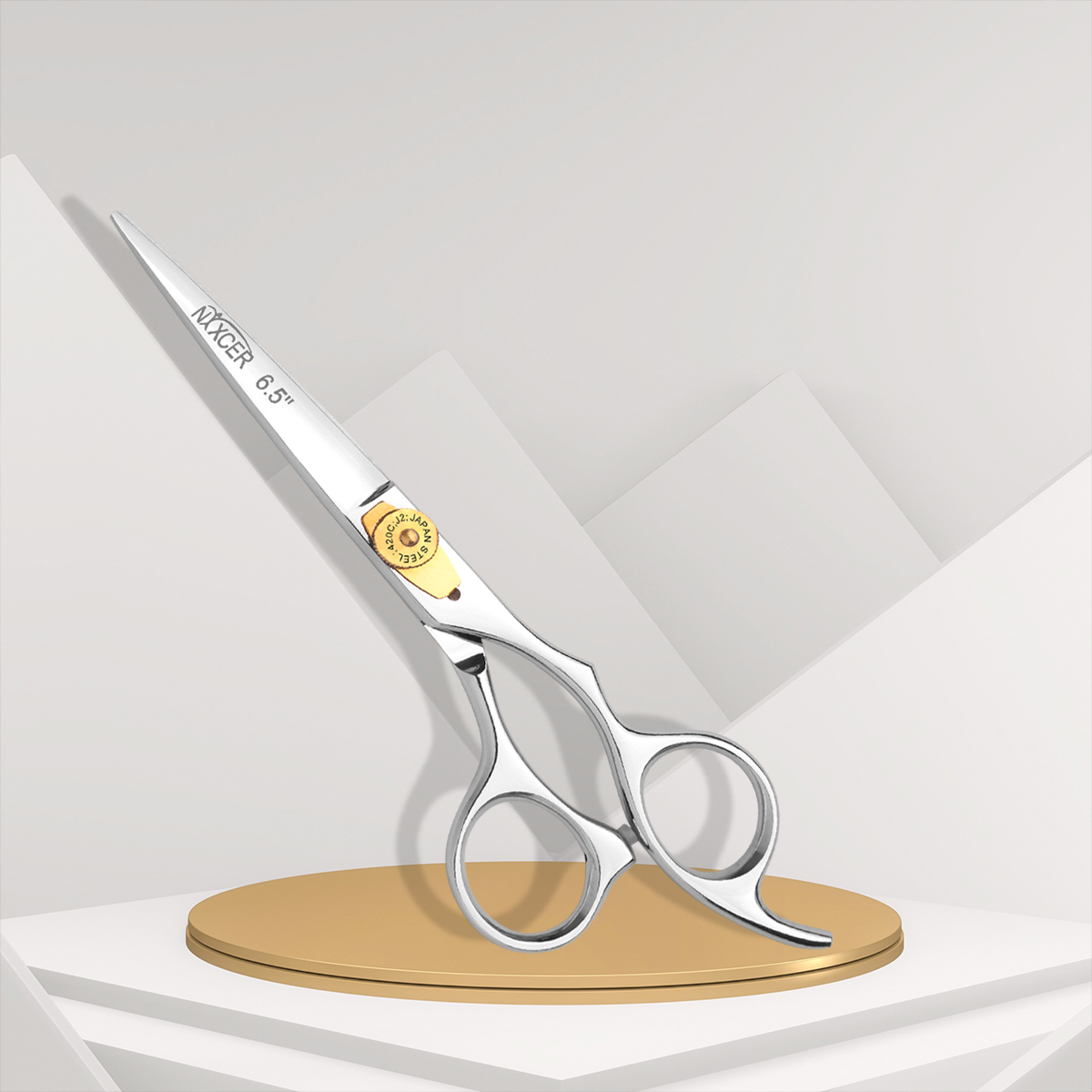
Hairdressing is an ancient art that has evolved over centuries, and at the heart of this craft lies the indispensable tool: hair cutting scissors. From basic designs to the high-tech, ergonomic masterpieces of today, the evolution of professional hair cutting scissors reflects the ever-changing needs of stylists and advancements in technology. In this article, we’ll delve into the history of these essential tools, explore the trends shaping their future, and examine how these trends can transform the hairstyling industry.
The History of Hair Cutting Scissors
The origins of hair cutting scissors date back thousands of years. Ancient Egyptians and Greeks used rudimentary cutting tools, often crafted from bronze or iron, to maintain their elaborate hairstyles.
In the Middle Ages, scissors became more refined, resembling modern designs with pivot mechanisms and ergonomic handles. However, it wasn’t until the 18th and 19th centuries that scissors saw significant improvements in material quality and craftsmanship.
Fast forward to the 20th century, and the advent of stainless steel revolutionized the industry. Lightweight, durable, and resistant to corrosion, stainless steel became the standard for professional hair cutting scissors.
The Modern Era of Professional Hair Cutting Scissors
Today’s professional hair cutting scissors are marvels of design and engineering. They are crafted with precision, offering features such as convex blades, offset handles, and advanced coatings for enhanced performance. As hairstyling techniques have grown more sophisticated, scissors have evolved to meet the demands of stylists worldwide.
Trends Shaping the Future of Professional Hair Cutting Scissors
1. Ergonomic Innovations
One of the most significant trends in the evolution of hair cutting scissors is ergonomic design. As stylists spend hours wielding scissors, repetitive strain injuries (RSIs) have become a concern. Manufacturers are addressing this with innovations such as:
- Swivel Thumb Rings: Allow for greater range of motion and reduced strain on the thumb.
- Offset Handles: Improve hand positioning for comfort and precision.
- Lightweight Materials: Reduce fatigue during prolonged use.
2. Advanced Materials
Modern professional hair cutting scissors are often made from premium materials like:
- Japanese Stainless Steel: Known for its sharpness, durability, and resistance to corrosion.
- Cobalt Alloys: Provide superior edge retention and smooth cutting action.
- Titanium Coatings: Enhance strength, reduce wear, and offer stylish aesthetics with vibrant colors.
These materials ensure longevity and consistent performance, making them essential for professionals.
3. Customization and Personalization
Stylists today seek tools that reflect their unique style and preferences. Customizable features such as engraved handles, colored coatings, and interchangeable parts are becoming popular. Personalization not only adds a touch of individuality but also enhances the stylist’s connection to their tools.
4. Specialized Scissors for Diverse Techniques
As hairstyling techniques diversify, so do the types of scissors available. Some of the specialized designs include:
- Thinning Scissors: For reducing bulk and adding texture.
- Curved Blade Scissors: Ideal for creating rounded cuts and layers.
- Chunking Shears: Remove larger sections of hair quickly for bold, textured looks.
This variety allows stylists to expand their repertoire and cater to clients with precision.
5. Sustainable Manufacturing Practices
The global push for sustainability is influencing the scissor manufacturing industry. Companies are adopting eco-friendly practices, such as using recycled materials and minimizing waste during production. This trend aligns with the values of environmentally conscious stylists and consumers.
6. Smart Scissors and Technology Integration
The rise of smart technology is starting to make waves in the hairstyling industry. Future trends might include scissors equipped with:
- Sensors: To monitor cutting angles and pressure for precise results.
- Digital Feedback: Offering real-time insights into cutting techniques.
- AI Assistance: Providing recommendations based on hair type and desired style.
While still in its infancy, this trend has the potential to revolutionize hairstyling.
How Trends Are Transforming the Hairstyling Industry
Enhanced Efficiency and Precision
Innovations in scissor design allow stylists to work more efficiently without compromising on quality. Features like sharp convex blades and ergonomic handles minimize effort, enabling stylists to focus on their creativity.
Greater Accessibility for All Stylists
With the availability of diverse scissors at various price points, advanced tools are no longer reserved for elite salons. Stylists of all levels can now access professional-grade scissors tailored to their needs.
Improved Client Satisfaction
Clients benefit from the precision and finesse that modern scissors enable. From flawless layers to intricate texturizing, advanced tools ensure stylists can meet and exceed client expectations.
Sustainability as a Selling Point
Eco-conscious consumers appreciate tools that align with their values. Scissors made with sustainable materials and practices are likely to attract environmentally aware clients.
Choosing the Right Professional Hair Cutting Scissors for the Future
When investing in professional hair cutting scissors, consider these factors:
- Material: Opt for durable materials like Japanese stainless steel or cobalt alloys.
- Blade Type: Choose the blade that suits your cutting style, whether it’s convex for precision or beveled for durability.
- Ergonomics: Look for features like offset handles and swivel thumb rings for comfort.
- Specialization: Select scissors designed for your preferred techniques, such as texturizing or layering.
- Brand Reputation: Trustworthy brands like Nixcer, Kasho, and Joewell consistently deliver high-quality scissors tailored to professional needs.
Caring for Your Scissors to Keep Up with Trends
To ensure your scissors remain at the forefront of performance:
- Clean After Each Use: Remove hair and debris to prevent buildup.
- Oil Regularly: Lubricate the pivot area for smooth operation.
- Sharpen Professionally: Keep blades sharp to maintain precision.
- Store Properly: Use protective cases to prevent damage.
Conclusion
The evolution of professional hair cutting scissors is a testament to the hairstyling industry’s commitment to innovation and excellence. From ergonomic designs to sustainable practices, the latest trends cater to the needs of modern stylists and clients alike.
As we look to the future, advancements in technology and materials promise to elevate these essential tools further. For stylists, investing in high-quality scissors is not just a matter of necessity it’s a way to stay ahead in a competitive and ever-changing industry.
Whether you’re a seasoned professional or an aspiring hairstylist, embracing these trends will empower you to deliver exceptional results and redefine the art of hairstyling.