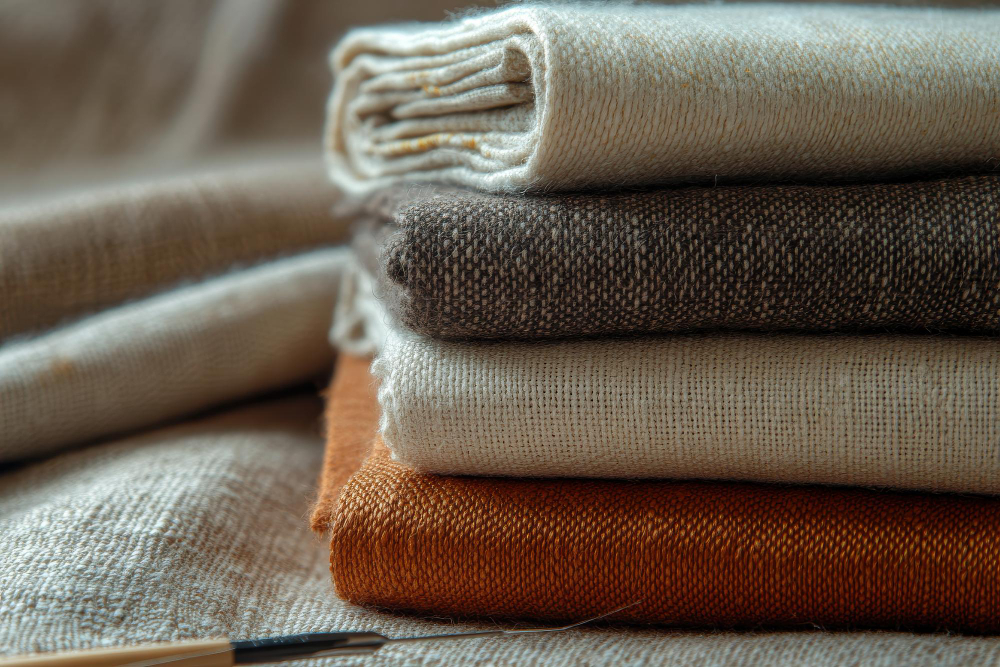
Linen is a staple in the textile industry, known for its breathability and durability. Made from the fibers of the flax plant, this natural material has been used for centuries to create high-quality clothing, bedding, and home furnishings. Its distinct texture and moisture-wicking properties make it a popular choice for warm climates. However, linen is also known for its tendency to wrinkle easily and its relatively low elasticity.
To improve its performance and introduce new characteristics, linen is often blended with other fibers. By combining linen with materials like cotton, silk, wool, or synthetics, manufacturers can create textiles that offer the best of both worlds. These blends can enhance softness, reduce wrinkling, add warmth, or improve drape, making the final linen fabric more versatile and suitable for a wider range of applications. This approach allows designers and consumers to enjoy the classic appeal of linen with added functional benefits.
For businesses looking to buy fabric online, understanding these blends is key to selecting the right materials for their products.
Why Mix Linen Fabric?
Blending linen with other fibers is a practical way to enhance its natural properties and minimize its drawbacks. While pure linen fabric is prized for its strength and cooling effect, it can be stiff and prone to creasing. Combining it with other materials addresses these issues and expands its potential uses.
The primary benefits of creating linen blends include:
- Improved Wrinkle Resistance: One of the most common complaints about linen is that it wrinkles easily. Mixing it with synthetic fibers like polyester or natural fibers like wool can significantly reduce creasing, making the fabric easier to care for.
- Enhanced Softness: Pure linen can feel crisp or rough, especially when new. Blending it with soft fibers such as cotton or silk adds a smoother, more comfortable feel against the skin. This makes the resulting linen fabric suitable for a broader range of apparel.
- Increased Elasticity and Drape: Linen has very little natural stretch, which can make it feel restrictive. Introducing fibers like elastane or even wool can add elasticity, improving the fit and comfort of garments. Blends with silk or viscose also enhance the fabric’s drape, giving it a more fluid and graceful movement.
- Better Insulation: While linen is ideal for hot weather, it offers little warmth in colder temperatures. Mixing it with wool creates a fabric that retains linen’s breathability while providing the insulation needed for fall and winter collections.
- Cost-Effectiveness: Blending linen with more affordable fibers like cotton or certain synthetics can help lower the overall cost of the material. This makes it possible for a wholesale fabric supplier to offer linen-like textiles at a more accessible price point.
For brands that buy fabric online, these blended options provide a way to offer the look of linen with improved performance characteristics that meet modern consumer demands.
Best Fabrics to Mix with Linen
Choosing the right blending partner for linen depends on the desired outcome. Whether the goal is to add softness, improve durability, or enhance drape, there is a suitable fiber to mix with this versatile material. As a leading wholesale fabric supplier, Fabriclore provides a wide selection of these innovative blends.
Cotton
Mixing linen with cotton is one of the most common and effective combinations in the textile industry. This blend, often called “union cloth,” brings together the best qualities of both natural fibers.
- Benefits: Cotton is known for its softness and breathability. When combined with linen, it makes the fabric much softer and less prone to the harsh wrinkles characteristic of pure linen. The cotton fibers help the fabric feel more comfortable against the skin from the very first wear. A linen-cotton blend also tends to be more affordable than 100% linen fabric, making it a practical choice for everyday apparel and home textiles. It retains much of linen’s absorbency and quick-drying nature while being easier to launder and iron.
- How to Mix: Typically, linen-cotton blends contain a higher percentage of cotton, such as a 60/40 or 70/30 cotton-to-linen ratio. This composition provides a good balance, offering the appearance of linen with the soft feel and easier care of cotton. This blend is ideal for shirts, dresses, trousers, and bedding. When you buy fabric online, you will find this blend is a popular choice for summer collections.
Silk
Blending linen with silk creates a fabric with a unique combination of texture and luster. This pairing results in a material that feels both substantial and refined, making it a favorite for high-end apparel.
- Benefits: Silk is celebrated for its smooth texture, natural sheen, and excellent drape. When mixed with linen, it imparts a subtle luster and a fluid quality that pure linen fabric lacks. The silk fibers also help soften the linen, making it feel more luxurious against the skin. This blend wrinkles less than pure linen and has a more elegant appearance, making it suitable for special occasion wear, blouses, and dresses. It combines linen’s breathability with silk’s refined finish.
- How to Mix: Linen-silk blends often feature a higher proportion of linen to maintain its characteristic texture, with silk added to enhance its qualities. A common ratio is 70% linen and 30% silk. This mix provides the structure of linen with the softness and sheen of silk. As a wholesale fabric supplier, we see this blend used for luxury fashion items where a balance of comfort and a polished look is important.
Wool
For cooler climates, a linen and wool blend is an excellent choice. This combination merges the breathability of linen with the natural warmth and elasticity of wool, creating a fabric that is comfortable for year-round wear.
- Benefits: Wool is known for its insulating properties, natural wrinkle resistance, and elasticity. When blended with linen, it creates a fabric that is warm yet breathable, preventing overheating. The wool fibers help the material resist creasing and give it a bit of stretch, which improves comfort and fit. This blend has a unique texture that combines the crispness of linen with the soft, slightly fuzzy feel of wool. It’s a durable combination suitable for suiting, jackets, trousers, and skirts.
- How to Mix: The ratio in a linen-wool blend can vary depending on the intended season. A blend with a higher wool content is ideal for winter, while a mix with more linen fabric is better for transitional seasons. For example, a 50/50 blend offers a good balance of warmth and breathability. This type of specialty blend is something designers look for when they buy fabric online for sophisticated, multi-season collections.
Synthetic Fabrics
Synthetic fibers like polyester, rayon (viscose), and elastane are often blended with linen to enhance its performance and add specific functional properties. These blends are designed to address some of linen’s main weaknesses.
- Benefits: Polyester is highly effective at reducing wrinkles and increasing the durability of linen fabric. A linen-polyester blend is much easier to care for, requiring less ironing. Rayon, a semi-synthetic fiber made from cellulose, is known for its softness and fluid drape. When mixed with linen, it creates a fabric that is incredibly soft and flows beautifully, making it perfect for dresses and skirts. Adding a small amount of elastane (also known as Spandex or Lycra) introduces stretch, which significantly improves the comfort and fit of garments.
- How to Mix: The proportion of synthetic fiber depends on the desired effect. A blend with 10-30% polyester can greatly improve wrinkle resistance. For enhanced drape, a linen-rayon blend might be 50/50. To add stretch, only a small percentage of elastane (2-5%) is needed. These modern blends are widely available from any major wholesale fabric supplier and are popular in both fashion and home furnishings.
A Smarter Approach to Fabric Selection
Mixing linen fabric with other fibers is a practical and effective way to enhance its performance and expand its applications. By carefully selecting blending partners, manufacturers can create textiles that are softer, more wrinkle-resistant, and better suited for a variety of climates and uses. From the softness of cotton to the warmth of wool, these combinations offer improved functionality without sacrificing linen’s classic appeal.
For fashion brands and designers, understanding these blends is crucial for creating products that meet consumer expectations for both style and convenience. As a trusted wholesale fabric supplier, Fabriclore offers an extensive collection of high-quality linen blends, providing the materials needed to bring any creative project to life. Whether you need to source materials for a summer dress collection or a line of professional suits, exploring these innovative textiles is a smart step.
When you are ready to buy fabric online, consider the unique benefits that each linen blend offers. This strategic approach to material selection will ensure your final products are not only beautiful but also practical and comfortable for the modern consumer.