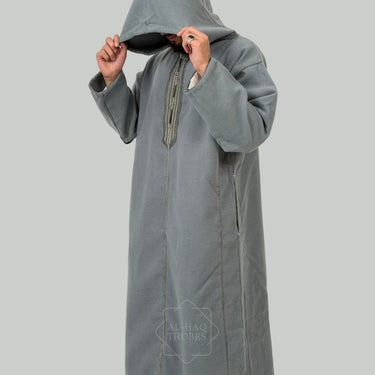
The Moroccan thobe is one of the most distinguished and elegant traditional garments in North African fashion. Known for its refined craftsmanship, vibrant colors, and unique embroidery, the Moroccan thobe represents the country’s rich cultural heritage. Whether worn during religious events, family celebrations, or formal gatherings, this garment captures the beautiful fusion of tradition and modern sophistication that defines Moroccan style.
What Is a Moroccan Thobe?
The Moroccan thobe, also referred to as a djellaba or jabadour depending on style variations, is a long, flowing robe typically worn by men. It is made with lightweight or medium-weight fabric, often featuring a hood, intricate embroidery, and traditional Moroccan patterns. Unlike simple thobes worn in the Gulf, the Moroccan thobe stands out due to its artistic details and distinctive cultural identity.
Historical and Cultural Background
A Symbol of Moroccan Identity
The Moroccan thobe has existed for centuries and reflects the influences of Arab, Amazigh (Berber), and Andalusian cultures. Over time, it has become a national symbol representing modesty, respect, and traditional Moroccan values.
Evolution Through Generations
Originally worn during festivals, prayers, and tribal ceremonies, the Moroccan thobe evolved as artisans added colorful stitching, silk threads, and geometric motifs. Today, its craftsmanship continues to be passed down through generations, preserving the essence of Moroccan heritage.
Unique Design Features
Luxurious Fabrics
Moroccan thobes are made from a variety of high-quality materials, including:
-
Cotton
-
Wool
-
Linen
-
Silk blends
-
Lightweight synthetic fabrics for warmer weather
Each fabric choice adds a different level of comfort and elegance, making the thobe suitable for all seasons.
Traditional Embroidery
One of the most defining features of the Moroccan thobe is its hand-crafted embroidery, often called sfifa or qandora detailing. These designs typically appear on the:
-
Chest area
-
Sleeves
-
Collar
-
Edges and seams
The embroidery often incorporates gold or silver threads, adding a regal touch.
Distinctive Hood
Unlike other thobe styles around the world, the Moroccan thobe frequently includes a pointed hood known as a “kob”, which serves both decorative and functional purposes. Historically, it protected wearers from sun and wind, especially in desert regions.
When and How the Moroccan Thobe Is Worn
Festive and Religious Occasions
Men often wear Moroccan thobes during:
-
Eid celebrations
-
Friday prayers
-
Weddings
-
Religious gatherings
-
National holidays
Everyday Wear
In many parts of Morocco, thobes are still worn casually due to their comfort and breathability. The lightweight fabric makes them ideal for warm climates and daily use.
Modern Fashion Integration
Today, designers have reimagined the Moroccan thobe for contemporary fashion. New styles include shorter lengths, slimmer cuts, and minimal embroidery, making them popular among younger generations.
Why the Moroccan Thobe Stands Out
Cultural Depth
Every stitch and pattern carries a story, reflecting centuries of tradition and identity unique to Morocco.
Versatility
The thobe can be worn casually, formally, or during religious events—making it a garment for all occasions.
Global Appreciation
The Moroccan thobe is now admired worldwide. Tourists, fashion designers, and cultural enthusiasts seek it for its craftsmanship, elegance, and symbolic significance.
Conclusion
The Moroccan thobe is more than a garment—it is a symbol of Moroccan pride, heritage, and cultural beauty. With its flowing design, handcrafted embroidery, and deep historical roots, the thobe has remained timeless across generations. Whether worn for tradition, comfort, or style, the Moroccan thobe continues to inspire and represent Morocco’s rich cultural identity. Its growing global popularity only reinforces its importance as one of the most iconic and elegant garments in the world of traditional men’s fashion.