Breath is the foundation of life, yet most of us move through our days without paying attention to how we breathe. Within the ancient yogic tradition, the breath is much more than a mechanical function; it is the doorway to physical balance, emotional clarity, and spiritual awakening. This is where the significance of the pranayama breathing technique becomes truly profound. Pranayama, often translated as “control or expansion of life force,” involves consciously guiding the breath to influence the flow of energy within the body. Practicing a pranayama breathing technique regularly can bring deep healing, improved mental focus, and elevated vitality.
To appreciate the power of pranayama, one must first understand that the breath is directly connected to the mind. When we are stressed, anxious, or angry, the breath becomes shallow and rapid. When we are calm, the breath naturally slows and deepens. A pranayama breathing technique allows us to flip this relationship—to change our mental and emotional state by consciously altering the breath. This simple yet profound principle is what makes pranayama an essential part of yoga and a life-changing tool for modern wellbeing.
Understanding the Essence of a Pranayama Breathing Technique
A pranayama breathing technique is not merely about taking a deep breath. It is a structured, mindful practice that involves regulating inhalation, exhalation, and retention. These three phases—puraka (inhalation), rechaka (exhalation), and kumbhaka (retention)—together help train the respiratory system, calm the nervous system, and harmonize the mind.
Unlike casual deep breathing, each pranayama breathing technique is performed with intention, rhythm, and awareness. This conscious approach activates the parasympathetic nervous system, reducing stress hormones, improving oxygenation, and bringing clarity to the mind. Over time, the practitioner begins to notice subtle changes: reduced anxiety, improved patience, heightened intuition, better sleep quality, and a more stable emotional state.
Pranayama also works on the energetic layer of the body. According to yogic philosophy, prana—or life force—flows through 72,000 energy channels called nadis. These pathways can become blocked due to stress, unhealthy lifestyle, or emotional turbulence. A consistent pranayama breathing technique helps clear these blockages, supporting optimal energy flow and overall vitality.
Why the Pranayama Breathing Technique Is So Important Today
Modern life is fast-paced, stressful, and overstimulating. Most people spend long hours at desks, face digital overload, multitask constantly, and deal with emotional pressures. This lifestyle often leads to shallow chest breathing—one of the biggest contributors to anxiety, fatigue, digestive issues, and poor emotional regulation.
A pranayama breathing technique offers a powerful counterbalancing force.
Here’s why it is more crucial today than ever:
- Reduces Stress and Anxiety
Stress activates the sympathetic nervous system, triggering the fight-or-flight response. A pranayama breathing technique shifts the body into a calm parasympathetic state, lowering cortisol levels and promoting relaxation. - Improves Oxygen Supply
Deep yogic breathing enhances lung capacity, improves blood oxygenation, and boosts overall energy levels. - Enhances Mental Focus
Breath control sharpens concentration and improves clarity by stabilizing the mind. - Supports Emotional Balance
Consistent pranayama helps regulate mood, reduce irritability, and cultivate inner peace. - Boosts Immunity
Improved circulation, reduced stress, and better energy flow naturally strengthen the immune system. - Helps with Sleep Quality
Slow breathing techniques reduce nighttime stress and prepare the mind for restful sleep.
In short, a pranayama breathing technique is a simple, accessible tool for modern wellness—available anywhere, anytime, at no cost.
Different Types of Pranayama Breathing Techniques and Their Benefits
Although there are many forms, here are some commonly practiced pranayama techniques that illustrate the versatility and power of breathwork:
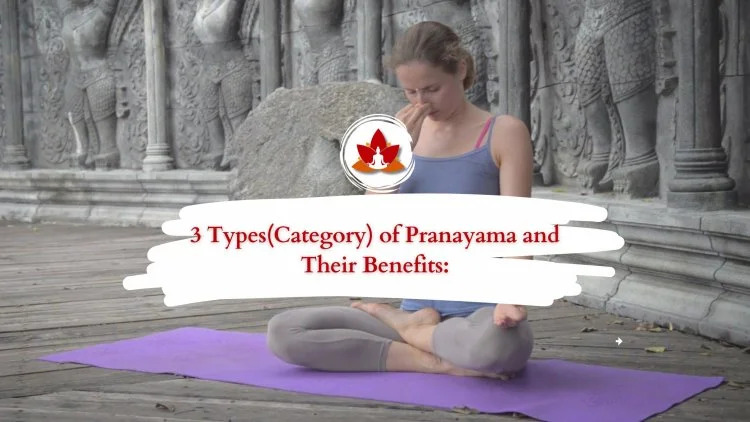
1. Anulom Vilom (Alternate Nostril Breathing)
This pranayama breathing technique balances the two hemispheres of the brain and harmonizes inner energies. It promotes mental clarity, reduces anxiety, and improves focus.
2. Kapalbhati (Skull-Shining Breath)
Known for its cleansing and energizing effect, this technique involves forceful exhalations that detoxify the lungs and stimulate digestion. It is excellent for revitalizing the mind.
3. Bhastrika (Bellows Breath)
This powerful pranayama breathing technique energizes the entire body. It is known to increase vitality, improve circulation, and awaken inner strength.
4. Bhramari (Bee Breath)
A deeply soothing practice, Bhramari uses humming vibrations to quiet the mind. It is particularly effective for reducing anxiety, stress, and insomnia.
5. Ujjayi (Victorious Breath)
Often used in yoga sessions, Ujjayi involves a slight throat contraction that creates a soft oceanic sound. This pranayama breathing technique promotes warmth, focus, and emotional grounding.
Each technique has its own purpose, but all align with the central principle of pranayama: guiding breath to transform body and mind.
How a Pranayama Breathing Technique Influences the Mind and Emotions
One of the most profound benefits of pranayama is its impact on the mind. Breath is the bridge between unconscious and conscious states. By regulating breath, you gain access to deeper layers of mental and emotional functioning.
A pranayama breathing technique influences the mind in several ways:
- Calms mental chatter, reducing overthinking and restlessness
- Balances the brain hemispheres, supporting better decision-making
- Promotes emotional resilience, helping you handle stress gracefully
- Creates mental clarity, improving focus and cognitive efficiency
- Releases suppressed emotions, creating room for healing and growth
This is why many people describe pranayama practice as mentally refreshing, grounding, and therapeutic.
How to Practice a Pranayama Breathing Technique Safely
Although pranayama is highly beneficial, it must be practiced with mindfulness and patience, especially for beginners.
Here are essential guidelines:
- Always practice on an empty stomach.
A pranayama breathing technique is most effective when the body is light and free from digestive pressure. - Sit with a straight spine.
This allows prana to flow freely through energy channels. - Start slowly.
Breath retention or advanced techniques should be avoided until you develop a strong foundation. - Never strain the breath.
Pranayama should feel natural, calming, and energizing—not forced. - Practice regularly.
Even 10 minutes daily can create meaningful transformation. - Listen to your body.
If you feel dizzy or uncomfortable, pause immediately.
The goal of a pranayama breathing technique is harmony, not intensity.
Integrating Pranayama Breathing Techniques Into Daily Life
You don’t need a yoga mat, a special room, or long sessions to benefit from pranayama. A few minutes throughout the day can shift your energy and mindset noticeably.
Here are simple ways to integrate a pranayama breathing technique into everyday life:
- Morning practice: Start the day with slow, deep breathing to wake up your system.
- During stress: Use alternate nostril breathing to calm the mind.
- Before meetings or study sessions: Practice Ujjayi to improve focus.
- Before sleep: Try Bhramari to relax the nervous system and unwind.
- During breaks: Take 10 long breaths to reset your energy.
With consistent practice, pranayama becomes a natural part of your lifestyle—a silent companion that supports your wellbeing.
Conclusion: The Power of a Pranayama Breathing Technique
A pranayama breathing technique is far more than a physical exercise. It is a pathway to self-awareness, inner balance, and a harmonious life. By learning to control the breath, you learn to influence your thoughts, emotions, and overall energy. Whether you seek stress relief, better mental focus, emotional healing, or spiritual growth, pranayama offers a profound and accessible method.
The breath is always with you—an ever-present tool for transformation. When you embrace the practice wholeheartedly, a pranayama breathing technique can elevate every aspect of your life, guiding you toward clarity, vitality, resilience, and inner peace.