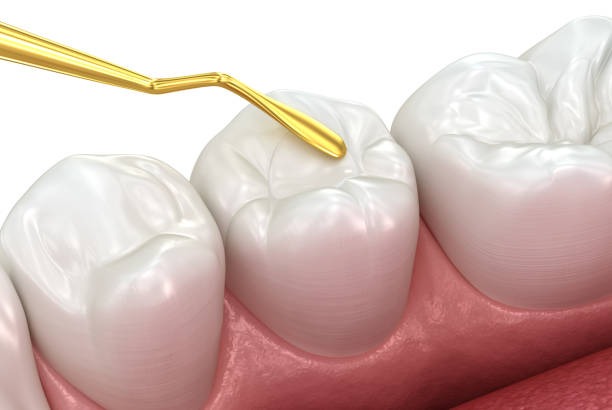
Tooth-colored fillings have become an increasingly popular alternative to traditional silver (amalgam) fillings, offering a more natural appearance and a discreet way to restore damaged teeth. Many patients, however, wonder about their safety, durability, and overall effectiveness compared to other options. This article will explore everything you need to know about tooth-colored fillings, including what they are, their benefits and potential risks, and essential care tips to ensure long-lasting results.
What Are Tooth-Colored Fillings?
Tooth-colored fillings, also known as composite fillings, are made from a durable resin material that can be closely matched to the natural color of your teeth. This makes them an aesthetically pleasing alternative to traditional silver (amalgam) fillings. These fillings bond directly to the tooth structure, which not only restores the tooth’s appearance but also provides support to weakened areas. Tooth-colored fillings are commonly used to treat cavities, repair minor cracks or chips, and make cosmetic improvements for a more uniform smile. Because they blend seamlessly with your natural teeth, tooth-colored fillings are often preferred for visible areas like front teeth, while also providing the strength and functionality needed for everyday chewing.
How Are Tooth-Colored Fillings Placed?
The placement of tooth-colored fillings is a safe, quick, and minimally invasive procedure. Here’s a step-by-step overview of what to expect: Numbing the Tooth: The dentist applies a local anesthetic to ensure the area is numb and the procedure is comfortable.
Removing Decay or Damaged Tooth Material
Any decayed or weakened portions of the tooth are carefully removed to prepare a clean surface for the filling.
Applying Bonding Agent and Composite Resin
A bonding agent is applied to the prepared area, followed by the composite resin material. The resin is usually added in layers to ensure proper adhesion and strength.
Curing Each Layer
Each layer of composite resin is hardened using a special curing light. This ensures the filling is securely bonded and durable.
Shaping and Polishing
The dentist shapes and polishes the filling to match the natural contours of your tooth, creating a seamless and aesthetically pleasing finish. Because the procedure preserves as much of the natural tooth as possible and blends perfectly with surrounding teeth, tooth-colored fillings are an excellent choice for both functional and cosmetic dental needs.
Are Tooth-Colored Fillings Safe?
Tooth-colored fillings are considered safe for most patients, including both adults and children. Modern composite resins are designed to be biocompatible, meaning they work harmoniously with your natural tooth and surrounding tissues without causing harm. Many composites are BPA-free, or contain only minimal, safe levels of BPA that are well within regulatory guidelines. These materials have been thoroughly tested and are approved by major dental and health organizations, including the American Dental Association (ADA) and the U.S. Food and Drug Administration (FDA). Because of their safety profile and strong performance, tooth-colored fillings are widely used to restore teeth affected by decay, cracks, or cosmetic imperfections, providing a reliable and aesthetically pleasing solution for maintaining oral health.
Effectiveness and Durability
Tooth-colored fillings are highly effective for restoring teeth affected by decay or minor damage. With proper oral care, including regular brushing, flossing, and dental check-ups, these fillings can last 7–10 years or even longer. Because the composite resin bonds tightly to the tooth structure, it helps reduce the risk of leaks, cracks, or further decay around the filling. This strong adhesion also reinforces the natural tooth, preserving its function and strength.
Tooth-colored fillings are ideal for small to medium cavities, providing a natural appearance and reliable performance. For very large restorations, alternative options like crowns may be recommended. One of the benefits of composite fillings is that they can be easily repaired or replaced if wear or damage occurs, making them a flexible and long-lasting solution for maintaining oral health.
Benefits of Tooth-Colored Fillings
Tooth-colored fillings offer several advantages that make them a popular choice for patients seeking both functional and cosmetic dental solutions:
Aesthetic Appeal
Composite resin fillings blend seamlessly with your natural teeth, making them virtually invisible. This is especially beneficial for visible areas such as front teeth, where maintaining a natural appearance is a priority.
Mercury-Free Alternative
Unlike traditional silver (amalgam) fillings, tooth-colored fillings do not contain mercury, providing a safer and more environmentally friendly option for both patients and dental practices.
Conservative Tooth Preparation
These fillings often require less removal of healthy tooth structure compared to metal fillings. Preserving more of the natural tooth helps maintain its strength and reduces the risk of future complications.
Versatility
Tooth-colored fillings can be used on both front and back teeth, making them suitable for a wide range of cavities, cracks, or cosmetic repairs.
Durable and Long-Lasting
With proper oral hygiene and regular dental check-ups, composite fillings can last many years while maintaining both their appearance and function. They are strong enough to withstand normal chewing forces, especially in small to medium-sized restorations.
Quick and Minimally Invasive
Placement of tooth-colored fillings is typically a quick procedure that preserves more of the natural tooth and avoids the need for extensive drilling.
Repairable
If minor damage or wear occurs over time, composite fillings can often be repaired or touched up without completely replacing the restoration.
Reduced Sensitivity
Tooth-colored fillings bond directly to the tooth, which can help seal the tooth and reduce sensitivity compared to metal fillings that may expand or contract with temperature changes.
Improved Oral Health
Because they bond tightly to the tooth, composite fillings help prevent gaps where bacteria can enter, lowering the risk of further decay and promoting long-term oral health. Overall, tooth-colored fillings provide a combination of durability, safety, cosmetic appeal, and functional benefits, making them an excellent choice for restoring teeth while maintaining a natural, healthy-looking smile.
Potential Drawbacks of Tooth-Colored Fillings
While tooth-colored fillings offer many benefits, it’s important to be aware of potential drawbacks to make an informed decision:
Higher Cost
Composite fillings generally cost slightly more than traditional silver (amalgam) fillings. The price reflects the material’s cosmetic advantages, the time needed for careful placement, and the skill required by the dentist.
Potential for Staining
Over time, tooth-colored fillings may absorb stains from coffee, tea, red wine, certain sauces, or smoking. Maintaining good oral hygiene, limiting stain-causing foods, and scheduling regular dental cleanings can help keep fillings looking natural.
Not Ideal for Very Large Cavities
Composite fillings work best for small to medium-sized cavities. For teeth with extensive decay, large restorations, or those under heavy bite pressure, alternative options such as crowns, inlays, or onlays may be more durable and reliable.
Technique-Sensitive Placement
The longevity and effectiveness of tooth-colored fillings depend on precise placement. The tooth must be properly prepared and the material correctly layered and cured. Improper technique can lead to gaps, marginal leakage, or premature wear.
Slight Wear Over Time
Although durable, composite fillings can wear down faster than metal fillings in areas with heavy chewing forces, such as molars. Regular dental check-ups allow your dentist to detect early wear and make timely repairs.
Potential for Post-Procedure Sensitivity
Some patients experience temporary sensitivity to hot, cold, or pressure after receiving a composite filling. This usually subsides within a few days or weeks, but persistent sensitivity may require a follow-up visit.
Color Matching Can Fade
While initially blended seamlessly with natural teeth, the color of composite fillings can slightly change over time due to normal wear or minor staining, which may necessitate polishing or replacement to maintain aesthetics.
Not Always Covered by Insurance
Some dental insurance plans may cover only a portion of the cost or may favor amalgam fillings for posterior teeth, so patients should check coverage in advance. By understanding these potential limitations, patients can weigh the pros and cons of tooth-colored fillings and make informed decisions with their dentist. Awareness of these factors also helps set realistic expectations and ensures proper care to maximize the longevity and appearance of the fillings.
Caring for Tooth-Colored Fillings
Proper care is essential to ensure that tooth-colored fillings remain durable, functional, and aesthetically pleasing for many years. Here are key tips for maintaining them:
Brush and Floss Daily
Maintain good oral hygiene by brushing twice a day with fluoride toothpaste and flossing at least once daily. This helps prevent decay around the filling and keeps surrounding teeth healthy.
Avoid Chewing Hard Objects
Do not bite or chew hard items such as ice, pens, or hard candies, as this can damage or crack the filling. Be mindful of habits like nail-biting that may place unnecessary stress on your teeth.
Regular Dental Check-Ups
Visit dentist every six months, or as recommended, to monitor the condition of your fillings. Professional cleanings help remove plaque and stains, and the dentist can identify any early signs of wear or damage.
Address Sensitivity or Discoloration Promptly
If you notice persistent sensitivity, rough edges, cracks, or discoloration in a filling, contact your dentist immediately. Early intervention can prevent further damage and restore both function and appearance.
Limit Stain-Causing Foods and Beverages
While composite fillings are resistant to most stains, frequent exposure to coffee, tea, red wine, or smoking may gradually affect their appearance. Rinsing with water after consuming staining substances can help maintain their natural color.
Use a Mouthguard if Needed
If you grind or clench your teeth, especially at night, consider using a custom mouthguard. This protects your fillings from excessive pressure and extends their lifespan. By following these care tips, patients can ensure that their tooth-colored fillings remain strong, functional, and visually appealing for many years, helping maintain a healthy and confident smile.
Conclusion
Tooth-colored fillings are a safe, effective, and aesthetically pleasing solution for restoring teeth affected by cavities, cracks, or minor damage. They blend seamlessly with natural teeth, preserve healthy tooth structure, and provide a durable alternative to traditional silver fillings. Maintaining these fillings requires proper oral hygiene, avoiding hard or sticky foods, and attending regular dental check-ups. Promptly addressing any sensitivity, wear, or discoloration helps ensure their longevity and performance. Patients should consult their dentist to determine whether tooth-colored fillings are the best option for their specific needs. With professional guidance and proper care, tooth-colored fillings can help preserve oral health while enhancing the appearance of your smile for years to come.