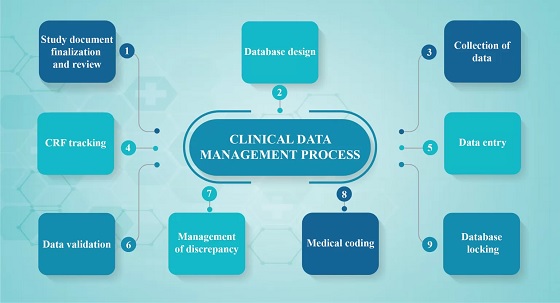
Clinical research depends heavily on accurate, consistent, and well-organized data. From early-phase trials to post-marketing studies, the volume and complexity of clinical data have increased significantly. Managing this data manually or through fragmented systems can lead to errors, delays, and compliance risks. This is where Clinical data management software plays a critical role by providing structured processes and digital tools to handle clinical trial data efficiently and securely.
Clinical data management focuses on collecting, cleaning, validating, and storing data generated during clinical studies. The software designed for this purpose supports research teams in maintaining data integrity while meeting regulatory expectations. As clinical trials expand across regions and involve diverse data sources, digital solutions have become essential for ensuring accuracy and traceability throughout the study lifecycle.
The evolution of clinical trials toward decentralized, hybrid, and technology-driven models has further increased reliance on specialized data management platforms. These systems are no longer limited to data entry but now integrate analytics, automation, and interoperability with other clinical systems. Understanding how such software functions and what value it offers is essential for anyone involved in clinical research operations.
Understanding the Core Purpose of Clinical Data Management
At its core, clinical data management ensures that trial data is reliable enough to support scientific conclusions and regulatory submissions. Data collected during a trial influences patient safety decisions, efficacy evaluations, and final approval outcomes. Errors or inconsistencies can compromise the entire study.
Clinical data management software is designed to standardize workflows, reduce manual intervention, and enforce predefined data quality rules. By centralizing data handling, it helps research teams monitor progress in real time and address discrepancies early in the trial.
The software typically supports multiple study phases and therapeutic areas, adapting to different protocol designs and data requirements. It also enables collaboration among sponsors, clinical research organizations, investigators, and data managers, all while maintaining controlled access and audit trails.
Key Functions Supported by Clinical Data Management Systems
Clinical data management software offers a wide range of functions that collectively improve efficiency and data quality. These functions span from initial study setup to database lock and archival.
-
Electronic data capture for structured and unstructured clinical data
-
Centralized database creation based on study protocols
-
Automated edit checks to detect missing or inconsistent entries
-
Query management to resolve data discrepancies
-
Audit trails for tracking all data changes
-
Data coding for medical terms and adverse events
-
Data export for statistical analysis and reporting
These capabilities help ensure that data collected from multiple sites follows consistent standards and is ready for downstream analysis.
Importance of Data Quality and Validation
High-quality data is the foundation of credible clinical research. Regulatory authorities expect sponsors to demonstrate that their data is accurate, complete, and verifiable. Poor data quality can lead to rejected submissions, delayed approvals, or even trial termination.
Clinical data management software enforces validation rules at the point of entry, reducing the likelihood of incorrect or incomplete data. Automated checks flag anomalies early, allowing data managers to issue queries and resolve issues before they escalate.
Validation processes also include reconciliation of external data sources such as laboratory results, imaging data, and patient-reported outcomes. By integrating these sources into a unified system, the software helps maintain consistency across datasets.
Role in Regulatory Compliance
Clinical trials are governed by strict regulations and guidelines, including Good Clinical Practice (GCP). Compliance requires detailed documentation, traceability, and secure handling of sensitive patient information.
Clinical data management systems support compliance by maintaining detailed audit logs, role-based access controls, and secure data storage. These features ensure that every data modification is recorded and attributable to a specific user, creating transparency for inspections and audits.
Additionally, standardized data formats supported by the software facilitate smoother regulatory submissions and data sharing with authorities. This structured approach reduces the risk of non-compliance and improves overall trial credibility.
Integration with Other Clinical Systems
Modern clinical trials rely on multiple digital tools, including electronic trial master files, clinical trial management systems, and safety databases. Data silos can create inefficiencies and increase the risk of errors.
-
Integration with electronic trial master files for documentation alignment
-
Data exchange with safety systems for adverse event reporting
-
Connectivity with laboratory and imaging systems
-
Support for standardized data models for interoperability
-
Real-time data synchronization across platforms
By enabling seamless integration, clinical data management software ensures that all stakeholders work from a consistent and up-to-date dataset.
Supporting Different Types of Clinical Studies
Clinical studies vary widely in design, scale, and objectives. Data management needs differ between observational studies, randomized controlled trials, and post-marketing surveillance.
Clinical data management software is adaptable to these variations, supporting different visit schedules, case report forms, and data collection methods. It can accommodate both simple and complex protocols, ensuring flexibility without sacrificing control.
This adaptability is especially important as trials become more patient-centric and incorporate remote data collection technologies.
Benefits for Research Teams and Stakeholders
Effective data management benefits all parties involved in a clinical trial. From investigators to statisticians, access to clean and timely data improves decision-making and collaboration.
-
Faster data cleaning and query resolution
-
Reduced manual workload for data managers
-
Improved visibility into trial progress
-
Enhanced collaboration among distributed teams
-
Better preparedness for audits and inspections
These benefits contribute to shorter study timelines and more efficient use of resources.
Data Security and Patient Privacy Considerations
Clinical trial data includes sensitive personal and medical information. Protecting this data is both an ethical obligation and a regulatory requirement.
Clinical data management systems employ security measures such as encryption, access controls, and secure hosting environments. These features help safeguard patient confidentiality while allowing authorized users to perform their roles effectively.
Privacy considerations also extend to data anonymization and controlled data sharing, ensuring compliance with data protection laws and ethical standards.
Challenges Addressed by Clinical Data Management Software
Managing clinical data presents several challenges, particularly in large, multi-center trials. Software solutions are designed to address these issues systematically.
-
Handling high volumes of data from multiple sites
-
Maintaining consistency across diverse data sources
-
Reducing human error in data entry
-
Ensuring timely resolution of data queries
-
Supporting long-term data storage and retrieval
By addressing these challenges, clinical data management software helps stabilize complex research operations.
Future Trends in Clinical Data Management
The field of clinical data management continues to evolve alongside advancements in technology and trial design. Automation, artificial intelligence, and real-time analytics are increasingly influencing how data is managed.
Clinical data management is expected to further incorporate intelligent features that predict data issues, optimize workflows, and support adaptive trial designs. Greater emphasis on interoperability and patient-generated data will also shape future developments.
These trends highlight the growing strategic importance of data management in achieving successful clinical research outcomes.
Clinical research depends on the integrity and usability of its data. As trials become more complex and data-driven, the role of structured digital systems becomes increasingly important. Clinical data management software provides the framework needed to collect, validate, secure, and analyze clinical trial data in a compliant and efficient manner.
By supporting data quality, regulatory compliance, and collaboration, such systems contribute directly to the reliability of research findings and the advancement of medical knowledge. Their continued evolution will play a key role in shaping the future of clinical research.