
Open-cell spray foam insulation offers a cost-effective way to improve a building’s energy performance by creating a seamless air barrier that stops drafts and heat loss. This flexible, light-density material expands significantly upon application, filling difficult-to-reach gaps in attics, crawlspaces, and interior walls. Property owners typically see a substantial reduction in monthly utility costs because the HVAC system no longer has to compensate for constant air leakage.
This guide explains how to use open-cell spray foam to maximize thermal efficiency and indoor comfort. Industry experts suggest that the material’s ability to provide both thermal resistance and air sealing in a single step makes it superior to traditional fiberglass or cellulose. The following sections provide specific, actionable advice for utilizing this advanced insulation method in residential and commercial projects.
Understanding Open-Cell Spray Foam Performance
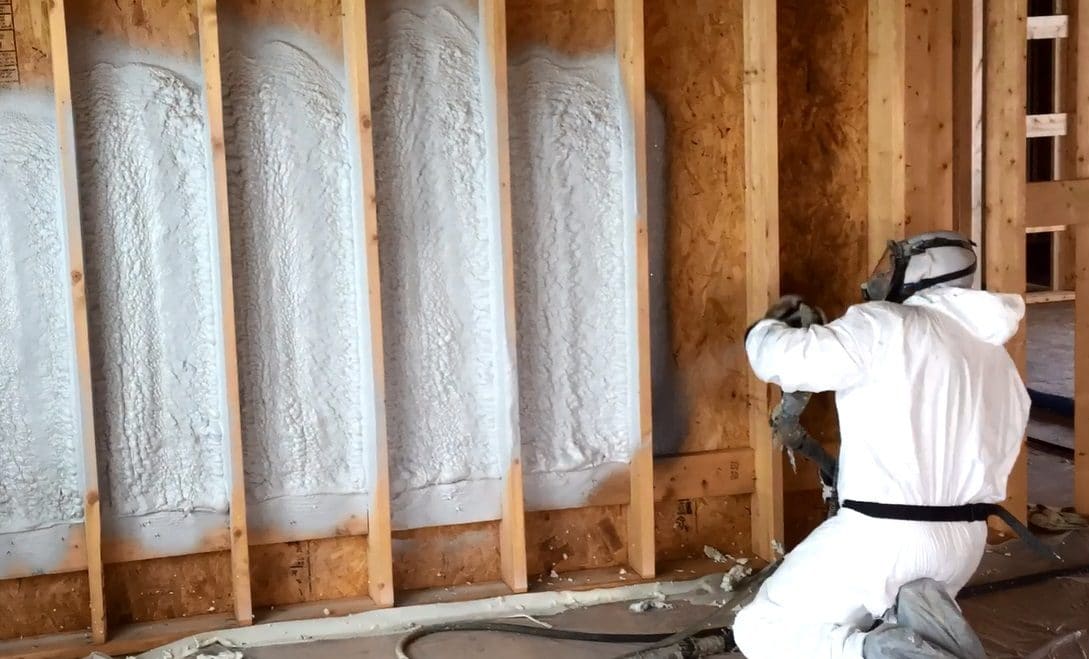
Open-cell foam, often called half-pound foam, is characterized by its soft, sponge-like structure. Unlike closed-cell varieties, the tiny cells in this foam are not completely closed, which makes the material more flexible and breathable. This flexibility is particularly useful in wood-framed buildings because the foam moves with the structure as it expands and contracts throughout the seasons.
The material provides an R-value of approximately 3.5 to 3.8 per inch of thickness. While this is lower than closed-cell foam, the significant expansion rate of open-cell foam allows it to fill deep wall cavities more economically. This expansion ensures that every crack and crevice is sealed, which is the most effective way to stop the movement of unconditioned air.
Superior Air Sealing Capabilities
Air leakage is responsible for up to 40 percent of a home’s energy loss. Traditional insulation materials allow air to pass through them or around the edges, but spray foam bonds directly to the wood or masonry. This creates a custom fit that prevents the “stack effect,” where warm air escapes through the top of the house while pulling cold air in from the bottom.
By stopping this air movement, property owners can maintain a more consistent temperature from floor to ceiling. This reduces the number of times the heating and cooling systems must cycle on and off during the day. Consistent run times lead to less wear and tear on expensive mechanical equipment and lower maintenance requirements over time.
Sound Absorption Benefits
The soft structure of open-cell foam makes it an excellent choice for soundproofing between rooms. It absorbs sound waves rather than letting them bounce off hard surfaces or pass through hollow wall cavities. This is a common choice for home offices, media rooms, and laundry areas where noise control is a priority.
When applied to exterior walls, it also helps dampen the sounds of traffic, wind, and neighborhood activity. This creates a quieter, more peaceful indoor environment that feels more private. The dual benefit of energy savings and acoustic comfort makes it a high-value upgrade for any property.
4 Practical Energy Tips Using Open-Cell Spray Foam Insulation
Using open-cell foam requires a strategic approach to get the best results for the least cost. Professionals recommend focusing on the areas where air leakage is most severe to see the fastest return on investment. These tips help property owners focus their efforts on high-impact zones within the building envelope.
Implementing these strategies can transform a drafty, expensive building into a high-performance space. The following four tips cover the most effective ways to utilize the unique properties of open-cell foam for maximum energy efficiency.
Tip 1 Encapsulate the Attic for Thermal Balance
Standard attic insulation usually sits on the floor of the attic, leaving the space above it unconditioned and extremely hot or cold. Encapsulating the attic involves spraying the foam directly onto the underside of the roof deck. This moves the thermal boundary to the roofline, keeping the entire attic space much closer to the temperature of the living area.
This method is especially helpful if the HVAC equipment or ductwork is located in the attic. When these systems sit in a conditioned space, they do not have to work nearly as hard to distribute air throughout the house. Studies show that this single change can lead to significant energy savings during the peak of summer.
Creating a Conditioned Attic Space
A conditioned attic stays dry and stays within a few degrees of the rest of the home. This prevents the buildup of extreme heat that can radiate through the ceiling and into the bedrooms below. It also provides a cleaner environment for storage, as dust and outdoor pollutants are kept out by the air seal.
In a region like Raleigh, where summer temperatures often stay in the high nineties, this approach is a game-changer. It prevents the attic from reaching 140 degrees, which is common in vented attics. Lowering the attic temperature directly reduces the load on the air conditioning system.
Bonus Tip Check Local Fire Codes
When encapsulating an attic, they must ensure the foam is covered with an approved ignition barrier if the space is used for storage or has mechanical equipment. This is a safety requirement that professionals will include in the project plan. It ensures the home remains compliant with local building standards while enjoying the energy benefits.
Tip 2 Target Interior Wall Cavities for Quiet Comfort
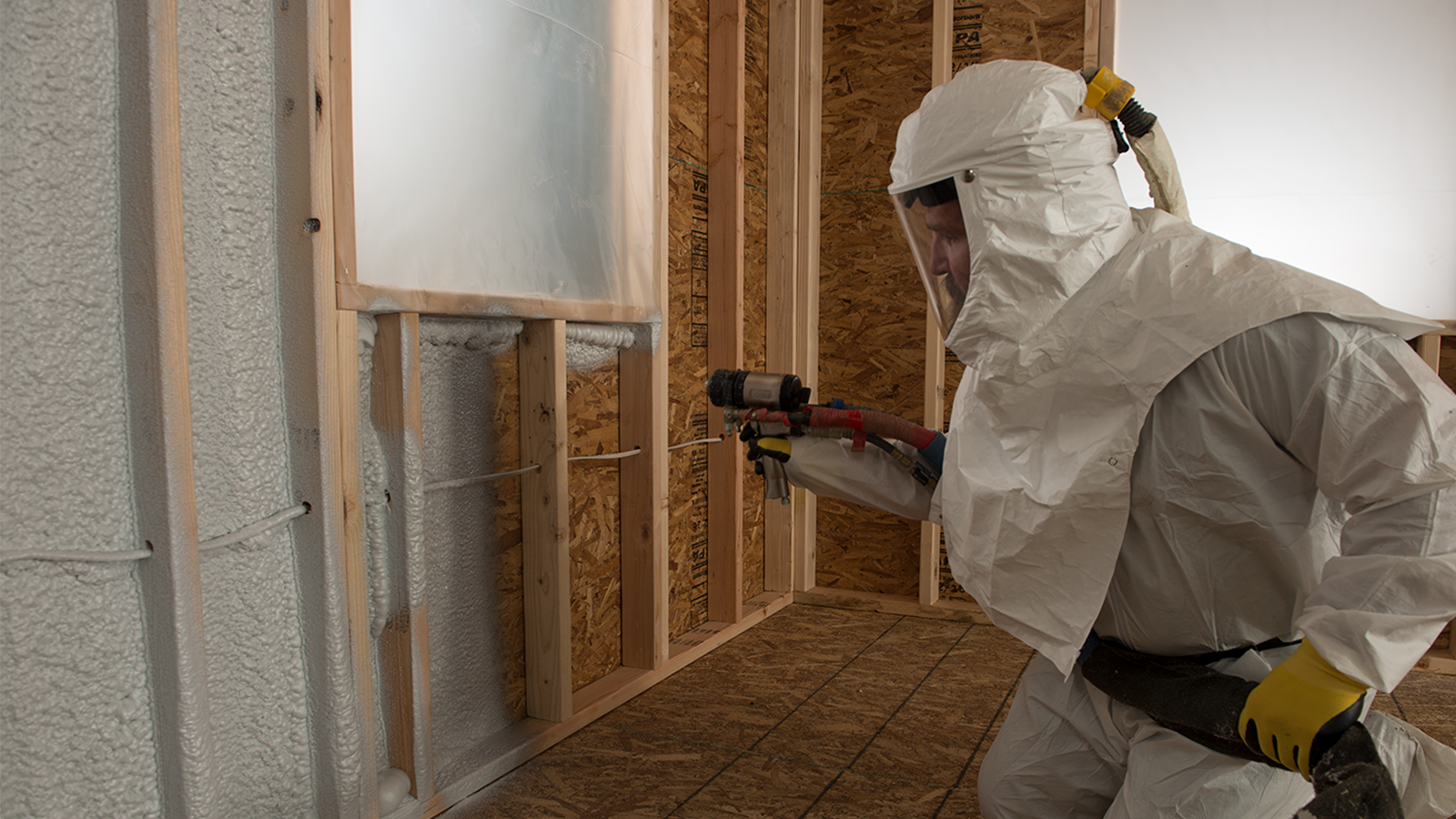
Energy efficiency is not just about the exterior walls but also about managing how air and heat move between different zones in the house. Spraying open-cell foam into interior walls can help isolate temperature-controlled areas from unconditioned spaces like garages or workshops. This prevents the garage’s temperature from affecting the comfort of the adjacent living room.
This application also helps with sound control, as mentioned earlier. By filling the entire wall cavity, the foam leaves no room for air to carry sound or heat from one side to the other. This creates a more controlled environment where the thermostat can manage each zone more accurately.
Air Sealing Between Zones
Many homes have “hidden” air leaks in the walls that separate the house from the garage or a storage room. These leaks allow fumes, dust, and unconditioned air to enter the living spaces. Open-cell foam expands to plug these leaks, improving both the energy efficiency and the air quality of the home.
Using foam in these areas provides a much better seal than fiberglass batts, which often sag and leave gaps at the top of the wall. The permanent bond of the foam ensures the seal remains intact for the life of the structure. It is a reliable way to improve the overall performance of the building.
Tip 3 Address Complex Geometric Gaps
One of the biggest advantages of spray foam is its ability to seal irregular shapes and tight corners. Areas like rim joists, where the walls meet the foundation, are notorious for air leaks. Traditional insulation is very difficult to cut and fit into these small, rectangular spaces, but spray foam fills them perfectly.
Applying open-cell foam to these complex areas stops the entry of cold air at the lowest point of the house. This prevents the “drafty floor” feeling that many people experience in the winter. It is a practical way to seal the areas that are often overlooked during a standard insulation job.
Sealing Around Rim Joists and Plates
The rim joist is often the most significant source of air infiltration in a basement or crawlspace. Because it is located near the ground, it is prone to letting in damp, unconditioned air. A thorough application of spray foam in this area creates a barrier that keeps the basement dry and the floors above warm.
This also prevents pests like insects and rodents from finding small gaps to enter the home. Since the foam is not a food source and creates a solid wall, it acts as a natural deterrent. This adds another layer of value to the energy-saving project.
Bonus Tip Coordinate with Utility Trades
Before the foam is sprayed, they should make sure all electrical and plumbing work is finished. Open-cell foam is easier to cut through than closed-cell if repairs are needed later, but it is still best to have everything in place first. Coordination ensures that the air seal is not broken by future installations.
Tip 4 Combine with Efficient Ventilation Systems
Because open-cell foam makes a building so airtight, it is essential to consider the house’s ventilation. A home that is “too tight” can trap moisture and stale air inside. The best approach is to combine high-performance insulation with a mechanical ventilation system like an Energy Recovery Ventilator.
These systems provide a constant supply of fresh air while recovering the energy from the air being exhausted. This allows property owners to have the best of both worlds: a highly efficient, airtight building and excellent indoor air quality. It is the modern standard for high-performance home construction.
Managing Air Exchange
A professional installer will often perform a blower door test to measure how tight the house is after the foam is applied. This data helps determine if the home needs additional mechanical ventilation. Managing this air exchange correctly prevents issues with indoor humidity and ensures a healthy living environment.
In the humid climate of the Southeast, controlling moisture is just as important as controlling temperature. A properly sealed and ventilated home stays dry, which prevents the growth of mold and mildew. This protection is a key part of the long-term value provided by spray foam.
Material Performance Comparison
Choosing the right material depends on the specific needs of the project and the budget available. Open-cell foam is generally more affordable than closed-cell foam but offers similar air-sealing benefits. The following table shows how it compares to other common insulation materials.
| Feature | Open-Cell Spray Foam | Closed-Cell Spray Foam | Fiberglass Batts | Cellulose |
|---|---|---|---|---|
| R-Value per Inch | 3.5 to 3.8 | 6.0 to 7.0 | 2.2 to 2.9 | 3.2 to 3.8 |
| Air Barrier | Yes | Yes | No | No |
| Vapor Barrier | No | Yes | No | No |
| Sound Dampening | Excellent | Good | Moderate | Good |
| Relative Cost | Moderate | High | Low | Low |
Things to Consider Before Making a Decision
Before moving forward with an insulation project, property owners should evaluate the current state of their building. They need to identify where the most significant comfort issues are occurring. Consulting with a professional can help determine if open-cell foam is the best fit for their specific climate and structure.
- Assess the primary goals, such as noise reduction or maximum energy savings.
- Identify areas with difficult access where spray foam would be more effective than batts.
- Consider the age of the building and any existing moisture problems.
- Determine if the budget allows for a full encapsulation or a targeted application.
- Check for local utility rebates that support energy-efficiency upgrades.
Questions People Ask About Open-Cell Spray Foam
Is open-cell foam waterproof?
Open-cell foam is not waterproof and can absorb water if a leak occurs. However, its breathable nature allows the wood to dry out once the leak is repaired, which can prevent rot in certain roof applications. It is generally not used in areas with constant moisture exposure, like below-grade exterior walls.
How long does the installation take?
Most residential projects can be completed in one or two days, depending on the size of the area. The preparation work, such as masking off windows and floors, often takes as much time as the actual spraying. Residents are typically required to stay out of the house for 24 hours while the foam cures.
Does it lose its effectiveness over time?
No, spray foam is a permanent solution that does not sag, settle, or shrink. Unlike fiberglass, which can lose its R-value if it gets dusty or damp, spray foam maintains its performance for the life of the building. This makes it a one-time investment with long-term returns.
Can it be installed in an existing home?
Yes, it is very common to use spray foam during renovations or as an upgrade to an existing attic. It can be sprayed directly over some existing materials, though it is often best to remove old, dusty insulation first for the best bond. This is one of the most effective ways to modernize an older property.
Is it safe for the environment?
Modern spray foam products have moved toward eco-friendly blowing agents with low global warming potential. By significantly reducing the energy needed to heat and cool a building, the material helps lower the overall carbon footprint of the property. It is considered a green building material by many efficiency programs.
Summary and Advice
Improving a building’s energy efficiency is a practical way to increase comfort and reduce monthly expenses. Open-cell spray foam provides a unique combination of thermal resistance, air sealing, and sound absorption that traditional materials cannot match. By focusing on high-impact areas like the attic and rim joists, property owners can see immediate improvements in their indoor environment.
The most successful projects are those where the property owner works closely with an experienced installer to create a comprehensive plan. It is important to look at the building as a complete system where insulation and ventilation work together. Evaluating long-term goals and specific household needs will ensure the best possible results for years to come.
Next Steps and Contact Information
For those ready to improve their home’s performance, reaching out for a professional evaluation is the next step. An expert can provide a detailed quote and explain how open-cell foam can solve specific comfort issues. This personalized approach ensures that the project meets the unique requirements of the property and the budget.
Raleigh Excel Spray Foam Insulation helps local residents achieve higher levels of comfort and efficiency through advanced insulation techniques. Their team can be reached at (919) 301-9435 or via email at info@raleighexcelsprayfoam.com to discuss project details or schedule a consultation. Contacting them is a great way to start the process of creating a more sustainable and comfortable living space.
Author: Edith has extensive experience in residential and commercial property management and is dedicated to helping clients improve energy efficiency, comfort, and indoor air quality through advanced insulation solutions.
Reviewer: With nearly a decade in the spray foam insulation field, William Harris reviewed this post and provided guidance that reflects both technical understanding and real-world marketing experience.
