
Spray foam insulation creates a permanent air barrier that stops the flow of heat and moisture through a building envelope. Unlike traditional materials that simply slow down heat transfer, this expanding foam fills every crack and crevice to eliminate air leakage entirely. Property owners see an immediate difference in their monthly utility bills and the overall stability of their indoor environment.
This upgrade serves as a comprehensive solution for homes and businesses facing high energy costs or inconsistent temperatures. Professionals in the field emphasize that the material does not sag or settle over time, ensuring that the performance remains consistent for the life of the structure. The following sections explain the technical details and practical advantages of choosing this modern insulation method.
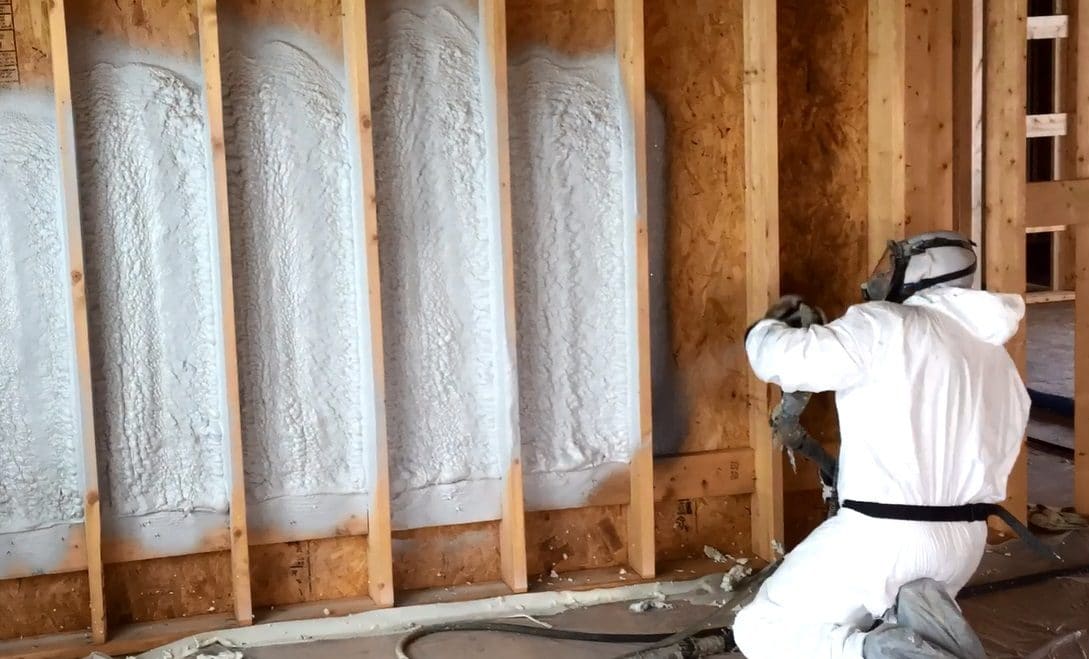
Professional teams with years of experience in the Mid-Atlantic region have documented the specific ways this technology changes a property. They use specialized equipment to apply the material, which then expands to dozens of times its original volume. This process ensures that even the smallest gaps around wires and pipes are sealed against the elements.

Immediate Improvements in Indoor Climate Control
The most apparent change after installing spray foam is the total elimination of cold spots and drafts during the winter months. Traditional insulation often leaves gaps near the edges of wall studs or around window frames where air can easily pass through. Spray foam acts as both an insulator and an air sealant, providing a double layer of protection in a single application.
During the humid Maryland summers, this material prevents warm, moist air from entering the living space through the attic or crawl space. By keeping the humidity out, the indoor air feels crisper and the cooling system does not have to work nearly as hard. This creates a more pleasant environment for residents without requiring constant adjustments to the thermostat.
Experts frequently observe that homes with this upgrade maintain their temperature for much longer after the heating or cooling system shuts off. This thermal retention is a direct result of the high R-value and the airtight seal created by the foam. It allows the mechanical systems to take longer breaks, extending their operational lifespan.
Elimination of Common Draft Points
Air often enters a home through the rim joists and the top plates of walls where different building components meet. These areas are notoriously difficult to seal with fiberglass batts because they have irregular shapes and many small openings. Spray foam adheres directly to these surfaces, creating a custom fit that blocks wind and outdoor pollutants.
By sealing these specific points, professionals help stop the stack effect, which pulls air from the bottom of the house to the top. This movement of air is responsible for most of the heat loss in residential buildings during the colder months. Addressing these leaks at the source results in a much more efficient building.
Sealing the Rim Joist Area
The rim joist is the part of the floor system that rests on the foundation and is a major source of air infiltration. Professionals apply a thick layer of closed cell foam to this area to block both air and ground moisture. This prevents the floors from feeling cold and protects the wooden structure from potential rot caused by condensation.
Because the foam is waterproof, it also serves as a barrier against heavy rains and flooding in coastal regions. This added layer of protection is especially helpful for properties near the Chesapeake Bay where dampness is a constant concern. It keeps the basement or crawl space dry and much more manageable.
Bonus Tips for Sealing Wall Plates
When insulating an attic, professionals suggest applying foam over the top plates where the interior walls meet the attic floor. This prevents conditioned air from escaping into the attic through the gaps around electrical wires and plumbing stacks. It is a small detail that makes a massive difference in the overall performance of the building.
Comparing Insulation Performance and Longevity
Selecting the right material requires understanding how different products handle air movement and moisture. While fiberglass and cellulose are common, they lack the structural and sealing properties found in foam products. The following table provides a clear comparison of the physical attributes and performance metrics for common insulation types.
| Feature | Spray Foam (Closed Cell) | Fiberglass Batts | Cellulose (Blown-in) |
|---|---|---|---|
| Air Sealing | Excellent (Built-in) | Poor (Requires extra seal) | Moderate |
| R-Value per Inch | 6.5 to 7.0 | 3.1 to 3.4 | 3.2 to 3.8 |
| Moisture Resistance | High (Vapor Barrier) | Low (Absorbs water) | Moderate |
| Lifespan | Lifetime | 15 to 25 years | 20 to 30 years |
| Pest Resistance | High | Low | Moderate |
| Structural Support | Adds strength | None | None |
Reducing Mechanical Strain and Energy Waste
Energy data suggests that air leakage can account for up to 40% of the energy used to heat and cool a typical home. By removing this variable, spray foam allows the HVAC system to operate at its intended efficiency level. This reduction in workload means fewer repairs and a lower likelihood of system failure during peak seasons.
Property owners often find they can downsize their HVAC equipment when it comes time for a replacement. A smaller, more efficient unit can easily handle a well-insulated building, which saves money on the initial purchase of the equipment. This creates a cycle of savings that starts with the insulation and extends to every other part of the home.
The consistency provided by the foam also helps prevent the “short cycling” of air conditioners during the summer. When a home is leaky, the cool air escapes quickly, causing the unit to turn back on almost immediately. A sealed envelope keeps the cool air inside, allowing the system to run more effective, longer cycles.
Protecting Ductwork in Unconditioned Spaces
Ducts that run through a hot attic lose a significant amount of cooling power before the air ever reaches the vents. Many professionals now suggest “encapsulating” the attic by applying foam to the roof deck instead of the floor. This brings the ducts into a conditioned space, which keeps the air inside them at the desired temperature.
This method also prevents the ducts from sweating, which can lead to water damage and mold growth in the attic. By controlling the temperature of the environment around the ducts, the entire system becomes more reliable. It is an effective way to maximize the performance of an existing HVAC setup.
Managing Attic Temperatures
In a standard vented attic, temperatures can reach over 130 degrees during a Maryland summer. An encapsulated attic usually stays within 10 to 15 degrees of the living space temperature. This drastic change reduces the radiant heat transfer into the rooms below, making the upper floors of the house much more comfortable.
This temperature control also protects items stored in the attic from extreme heat and cold. It turns a dusty, harsh environment into a clean and stable space that can be used for storage or future living area expansions. The versatility of the foam makes it a smart choice for growing families.
Bonus Tips for HVAC Maintenance
After installing spray foam, it is a good idea to have a professional HVAC technician check the airflow of the system. Since the house is now much tighter, the ventilation needs may have changed. Ensuring proper fresh air exchange is vital for maintaining high indoor air quality in a sealed home.
Structural Integrity and Moisture Management
Closed cell spray foam is a dense material that adds significant racking strength to the walls and roof of a building. In areas prone to high winds, this extra reinforcement helps the structure resist the pressures of a storm. It glues the building components together, creating a more rigid and durable envelope.
Moisture control is another major benefit, especially in the humid climate of the Eastern Shore. The foam does not allow water vapor to pass through, which prevents condensation from forming inside the walls. This is a common cause of hidden mold and structural rot in homes with traditional insulation.
By keeping the wall cavities dry, the foam protects the health of the occupants and the value of the property. It also acts as a deterrent for pests like mice and insects, who find it difficult to nest in or move through the dense material. This creates a cleaner, safer living environment for everyone inside.
Things to Consider Before Making a Decision
Upgrading to spray foam is a significant investment that requires careful planning and a professional approach. Property owners should evaluate their specific needs and the current condition of their building before moving forward. There are several factors that will influence the success and the total cost of the project.
- Assess whether open cell or closed cell foam is best for the specific location in the home.
- Determine if old insulation needs to be removed before the new foam is applied for the best results.
- Ensure the contractor has experience working with the local building codes in Maryland.
- Inquire about the ventilation plan to ensure the home remains healthy after it is sealed.
- Verify that the team uses high-quality chemicals that are stored and mixed at the correct temperatures.
Focusing on these details before the work begins will ensure a smoother process and a better outcome. A reputable company will be happy to walk through these points during the initial consultation. Taking the time to understand the process helps set realistic expectations for the project.
Questions People Ask About Spray Foam Insulation
How long does the spray foam last once it is installed?
Spray foam is designed to last for the entire life of the building. It does not settle, shrink, or lose its R-value over time like fiberglass or cellulose might. This makes it a one-time investment that provides continuous benefits for decades.
Is the material safe for people with allergies or asthma?
Yes, because spray foam creates an airtight seal, it actually helps keep outdoor allergens like pollen and dust from entering the home. It also prevents the growth of mold by controlling moisture, which significantly improves the indoor air quality.
Does the installation process take a long time?
Most residential projects can be completed in just one or two days. This includes the time needed for site preparation and the cleaning of the area after the application is finished. The foam cures very quickly, allowing residents to return to the space shortly after.
Can spray foam be used in both new and existing homes?
It is a versatile product that works well in both new construction and renovation projects. Professionals can apply it to open wall cavities during a remodel or use it to upgrade attics and crawl spaces in older homes without major demolition.
Will spray foam insulation help reduce noise from outside?
Both types of spray foam provide excellent sound dampening properties. Open cell foam is particularly good at absorbing sound waves, making it a popular choice for media rooms or homes located near busy streets or airports.
Lasting Results Through Professional Application
Upgrading a property with spray foam insulation provides a level of comfort and efficiency that traditional materials cannot match. The combination of high thermal resistance and a complete air seal addresses the most common energy problems in modern buildings. It is a reliable way to protect the structure while significantly lowering the cost of ownership.
Property owners should look for a team that understands the technical aspects of the material and the environmental needs of the region. A professional installation ensures that the foam is applied at the correct thickness and density for maximum performance. This attention to detail is what leads to the noticeable upgrades in climate control and energy savings.
Contacting a Professional for Your Insulation Needs
Choosing a qualified team is the most important part of ensuring a successful insulation upgrade. Peninsula Insulation offers expert services for those looking to improve their home or business with high-quality spray foam. They provide detailed assessments and professional installations throughout the region, focusing on long-term value and customer satisfaction. To learn more about how they can help with a specific project, contact them at wil@mdsprayfoam.net or call (410) 770-2624 for a consultation. They are dedicated to helping Maryland residents achieve a more comfortable and energy-efficient lifestyle through better insulation solutions.
Author: Wil Perkins is the founder of Peninsula Insulation and a long-time resident of Easton, Maryland. With a hands-on approach and nearly five years in the insulation business, Wil leads a team known for professional service and quality work.
Reviewer: Emily Martinez has 12 years of experience in spray foam insulation. She reviewed this article and suggested ways to make the content more useful for contractors looking to grow their customer base.
