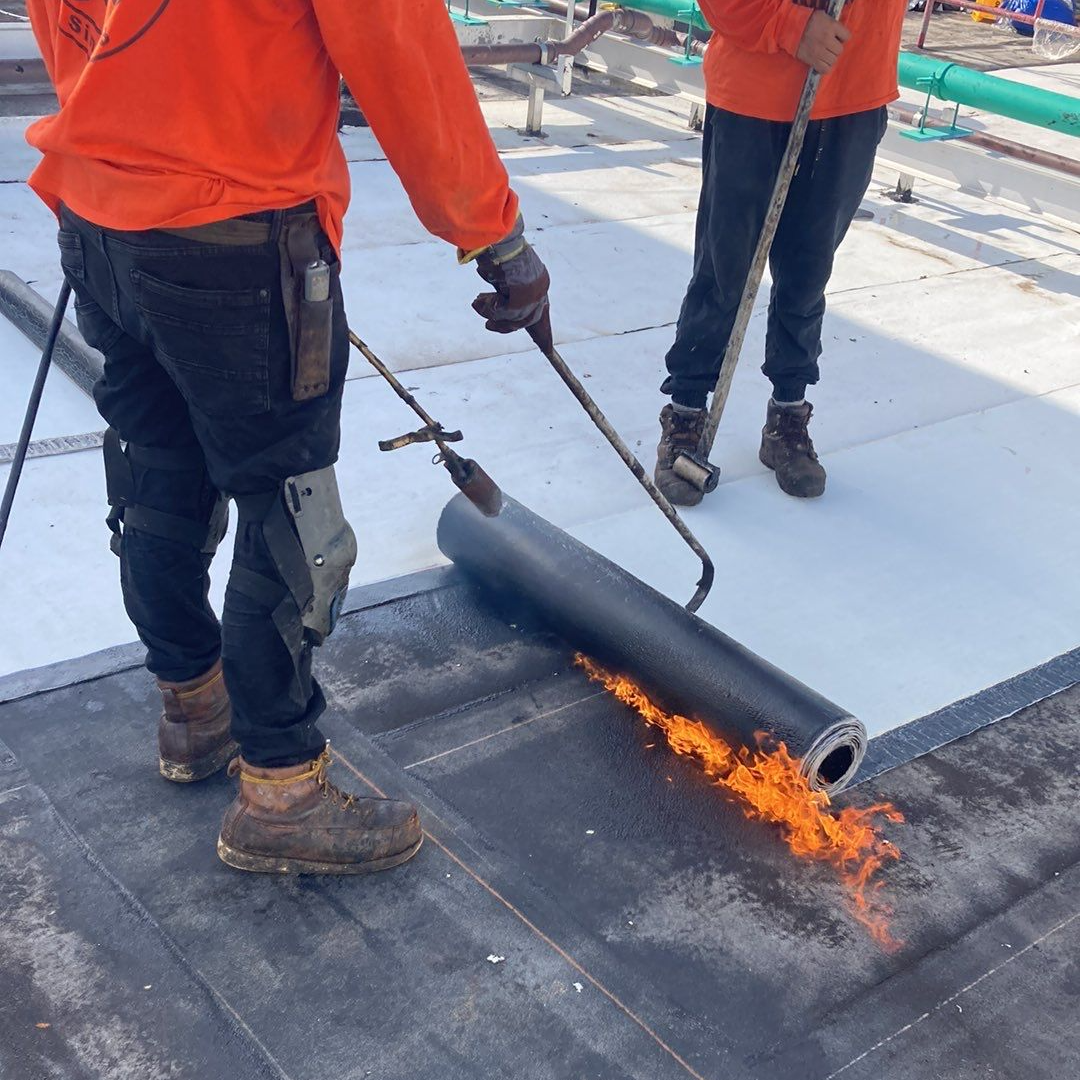
Modified bitumen roofing systems are popular in both residential and commercial applications due to their durability and ease of installation. They are particularly effective on flat roofs and are known for their ability to withstand harsh weather conditions. However, like any roofing system, modified bitumen roofs may eventually require repairs to maintain their integrity and extend their lifespan.
In this guide, we’ll walk you through expert tips for modified bitumen roof repair Houston TX, including how to identify common issues, the best repair methods, and how to maintain your roof over time. We’ll also briefly discuss related repairs, such as metal roof repair, flat roof repair, and commercial roof repair, to ensure you’re fully equipped for any roofing challenges.
What is Modified Bitumen Roofing?
Modified bitumen is a multi-layer roofing system typically used for flat or low-slope roofs. It’s made of asphalt mixed with modifiers like SBS (styrene-butadiene-styrene) or APP (atactic polypropylene) to improve flexibility and durability. This makes it resistant to UV rays, extreme temperatures, and physical damage.
Despite its resilience, modified bitumen roofing can experience issues such as cracking, blisters, or leaks, especially as it ages or is exposed to extreme weather. This is where proper modified bitumen roof repair comes into play.
Identifying Common Issues in Modified Bitumen Roofing
Before jumping into repairs, it’s crucial to identify the problems that may affect your modified bitumen roof. Here are the most common issues:
1. Blistering
Blistering occurs when air or moisture gets trapped beneath the surface of the roof membrane, causing bubbles or blisters to form. These blisters can lead to leaks if not addressed promptly.
2. Cracking
Over time, modified bitumen roofs can crack due to aging or exposure to extreme weather. Cracks in the membrane can allow water to seep in, leading to further damage.
3. Punctures and Tears
Sharp objects, heavy foot traffic, or severe storms can cause punctures or tears in the roofing material, allowing water to enter and cause damage to the underlying structure.
4. Poor Seams
The seams of a modified bitumen roof are sealed using heat or adhesive. Over time, these seams can weaken, causing them to separate and potentially letting water leak through.
5. Pooling Water
Improper drainage or low spots on the roof can cause water to pool. Prolonged exposure to standing water can deteriorate the roofing material and lead to leaks.
Expert Tips for Effective Modified Bitumen Roof Repair
Once you’ve identified the issue, it’s time to address the necessary repairs. Below are expert tips to help guide your modified bitumen roof repair efforts.
Tip 1: Start with a Thorough Inspection
Before performing any repairs, it’s important to conduct a thorough inspection of the roof. Check for visible damage such as cracks, blisters, or punctures, and examine the seams to ensure they are intact. Also, look for signs of pooling water or poor drainage, as these issues can contribute to further damage.
• Check for Blisters and Cracks: Use a utility knife to cut open any blisters and remove any trapped moisture.
• Inspect the Seams: Look for areas where seams have become separated. Use a pry bar or heat welder to reseal these gaps.
Tip 2: Seal Small Cracks and Punctures Immediately
Small cracks and punctures in a modified bitumen roof can be repaired using roofing cement or specialized sealant. If the damage is minor, you can patch the area yourself, but larger issues may require professional assistance.
• Use Roofing Cement: For minor cracks, apply roofing cement to the affected area, ensuring it adheres to both sides of the crack.
• Patch Large Punctures: If a puncture is large, you may need to apply a patch of modified bitumen membrane over the damaged area. Secure it using roofing adhesive and heat weld the edges to create a watertight seal.
Tip 3: Fix Blisters with Precision
Blisters are a common issue in modified bitumen roofs, and they should be repaired as soon as they appear. The process typically involves cutting the blister open, drying any trapped moisture, and sealing the area.
• Cut Open the Blister: Use a utility knife to carefully cut around the blister, removing any moisture.
• Apply Roofing Cement: After drying the area, apply a layer of roofing cement to the base of the blister and smooth it out.
• Patch the Area: Cover the repair with a small piece of modified bitumen, ensuring it’s securely adhered and sealed.
Tip 4: Address Pooling Water and Drainage Issues
Standing water on a modified bitumen roof can quickly cause long-term damage, so it’s essential to address any drainage issues. Proper water flow ensures that water doesn’t pool, which could lead to membrane deterioration.
• Clear Drains and Gutters: Make sure all roof drains, gutters, and downspouts are clear of debris to allow proper water flow.
• Level Low Spots: If there are low spots on the roof that cause water to pool, they can often be addressed by adding additional layers of roofing material to create a slope that directs water toward drains.
Tip 5: Know When to Call the Professionals
While many modified bitumen roof repair tasks can be handled by property owners, more significant damage may require professional intervention. If the damage is widespread or if you’re unsure about performing the repair yourself, it’s best to call in an expert who specializes in commercial roof repair. A professional roofer will have the necessary experience and tools to perform complex repairs safely and effectively.
What About Other Types of Roof Repairs?
If your property has different roofing systems, such as metal roof repair, flat roof repair, or commercial roof repair, here’s a quick overview of what to expect:
• Metal Roof Repair: Metal roofs are known for their durability, but they can still suffer from rust, punctures, or loose panels. Metal roof repair typically involves patching holes, sealing seams, and replacing damaged panels.
• Flat Roof Repair: Flat roofs, including modified bitumen systems, are more prone to pooling water. For flat roof repair, addressing drainage issues and ensuring the roof surface remains sealed is key to preventing leaks.
• Commercial Roof Repair: Commercial roofs come in many forms, including TPO, EPDM, modified bitumen, and metal. Regardless of the roofing system, timely repairs are necessary to maintain the integrity of the roof and prevent damage to the building’s structure.
Conclusion
Maintaining your modified bitumen roof is essential for prolonging its lifespan and ensuring it remains in good condition. By regularly inspecting your roof, addressing small issues promptly, and applying the right repair methods, you can keep your roof in top shape for years to come.
Remember, not all roof repairs are DIY-friendly, especially when dealing with extensive damage. For more significant issues, consider reaching out to a professional for expert commercial roof repair Houston TX or flat roof repair. Taking the time to invest in proper repairs will not only protect your roof but also safeguard your building from water damage and other costly problems.
By following these expert tips for modified bitumen roof repair, you’ll ensure that your roof continues to perform well and protect your property effectively.