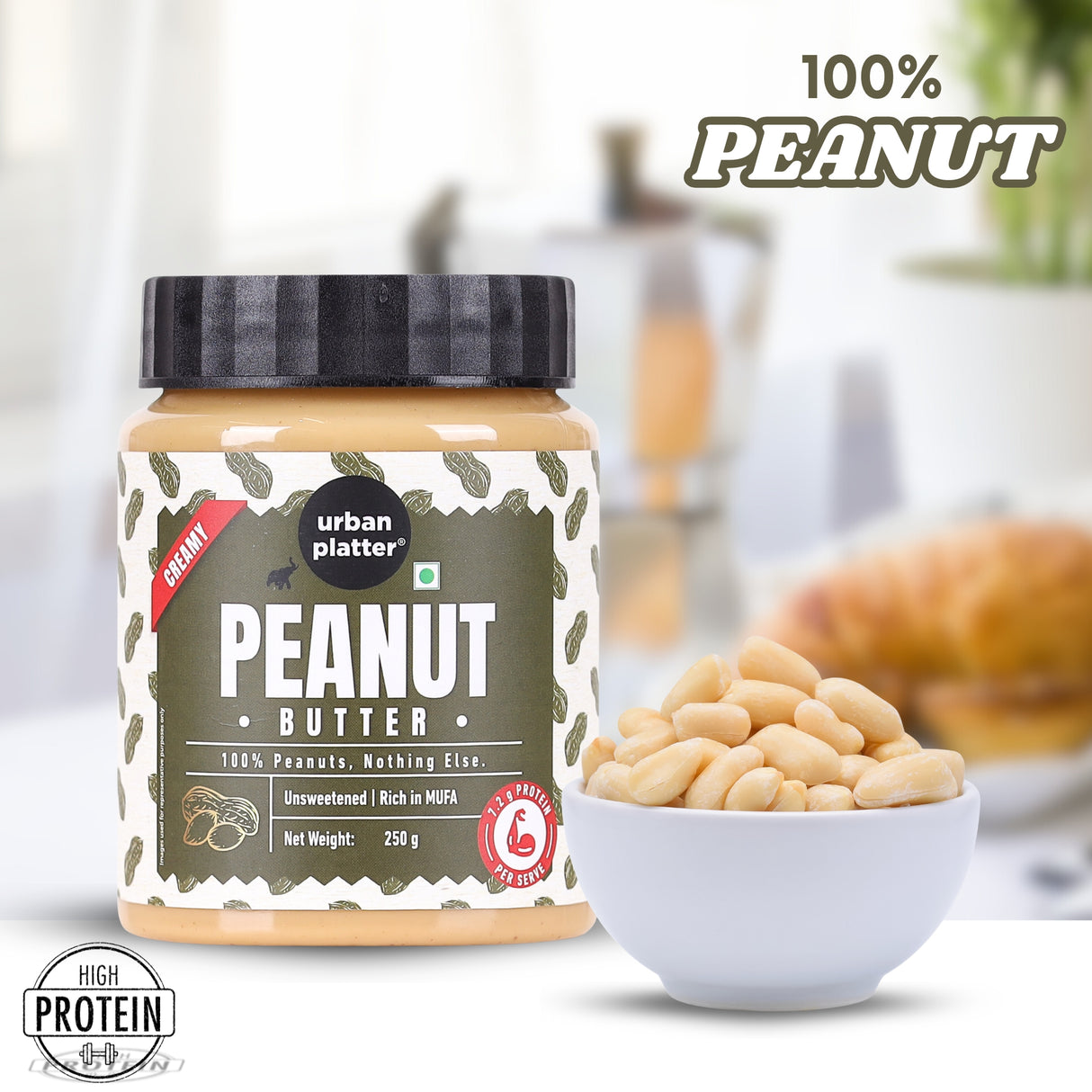
Nut butter has become a pantry staple for many households—and for good reason. It’s creamy, satisfying, and incredibly versatile. From spreading it on toast to blending it into smoothies or using it in sauces, nut butter can be both comforting and nutritious. But here’s the catch: not all nut butter is created equal. If you’ve ever stood in front of a supermarket shelf wondering which jar is actually healthy, you’re not alone. This label reading guide will help you confidently choose a healthy nut butter that truly supports your lifestyle.
Why Reading the Label Matters
At first glance, nut butter seems simple—just nuts, right? Unfortunately, many products contain added sugars, unhealthy oils, and preservatives that reduce their nutritional value. Learning how to read labels allows you to avoid unnecessary ingredients and focus on quality, taste, and nutrition.
A healthy nut butter should nourish your body, not sneak in ingredients you don’t need.
Start with the Ingredient List
The ingredient list is your best friend. Always read it first.
Ideally, a good nut butter should have:
-
One main ingredient: nuts (like peanuts, almonds, cashews, or mixed nuts)
-
Optional additions like a pinch of salt
If you see sugar, glucose syrup, hydrogenated oils, palm oil, or artificial flavours near the top of the list, it’s best to skip that jar. Simpler is almost always better when it comes to nut butter.
Watch Out for Added Sugars
Many nut butters are marketed as “healthy” but contain added sugars to enhance taste. These can appear under different names like cane sugar, jaggery, honey, or corn syrup.
While a small amount may not seem harmful, regular consumption can add up. If you’re choosing nut butter for everyday use, unsweetened versions are usually the better option.
Check the Type of Oil Used
Some brands add oils to improve texture and shelf life. However, not all oils are beneficial.
Avoid nut butter that contains:
-
Hydrogenated or partially hydrogenated oils
-
Excessive palm oil
A natural nut butter may separate over time, with oil rising to the top. This is actually a good sign and simply means fewer processed ingredients. A quick stir is all it needs.
Look at the Protein and Fat Content
Nut butter is naturally rich in healthy fats and plant-based protein. Check the nutrition panel to ensure the product offers a good balance.
Healthy nut butter typically contains:
-
Moderate protein content
-
Healthy fats from nuts
-
Minimal saturated fat compared to total fat
Remember, fats aren’t the enemy—especially when they come from whole nuts.
Sodium Levels Matter
Salt can enhance flavour, but too much of it isn’t ideal. Some nut butters contain high sodium levels, which can be an issue if consumed daily.
If you prefer a lightly salted taste, look for low-sodium options. Otherwise, unsalted nut butter gives you full control over seasoning in your recipes.
Texture and Processing
Nut butter comes in smooth and crunchy varieties. Both can be healthy—the choice depends on your preference.
However, ultra-smooth textures sometimes indicate heavy processing. A slightly grainy or natural texture usually means fewer additives and minimal processing.
Organic vs Conventional: Does It Matter?
Organic nut butter is made from nuts grown without synthetic pesticides. While not mandatory, choosing organic can be beneficial if you’re mindful about ingredient sourcing.
That said, organic doesn’t automatically mean healthy. Always check the label regardless of certifications.
Consider Your Dietary Needs
Different nut butters serve different purposes:
-
Almond butter is great for a mild, slightly sweet flavour
-
Peanut butter offers a classic taste and higher protein
-
Cashew butter is creamy and rich
-
Mixed nut butter provides a variety of nutrients
Choose based on taste, dietary goals, and how you plan to use the nut butter.
Packaging and Storage Tips
Glass jars are often preferred over plastic as they help preserve flavour and freshness. Also, check the expiration date and storage instructions. Natural nut butter may need refrigeration after opening.
Final Thoughts
Choosing a healthy nut butter doesn’t have to be complicated. By paying attention to ingredient lists, added sugars, oils, and nutritional values, you can make smarter choices that support your everyday meals. A good nut butter should be simple, wholesome, and delicious—nothing more, nothing less.
Next time you shop, take a moment to read the label. Your body will thank you for choosing a nut butter that truly lives up to its healthy promise.