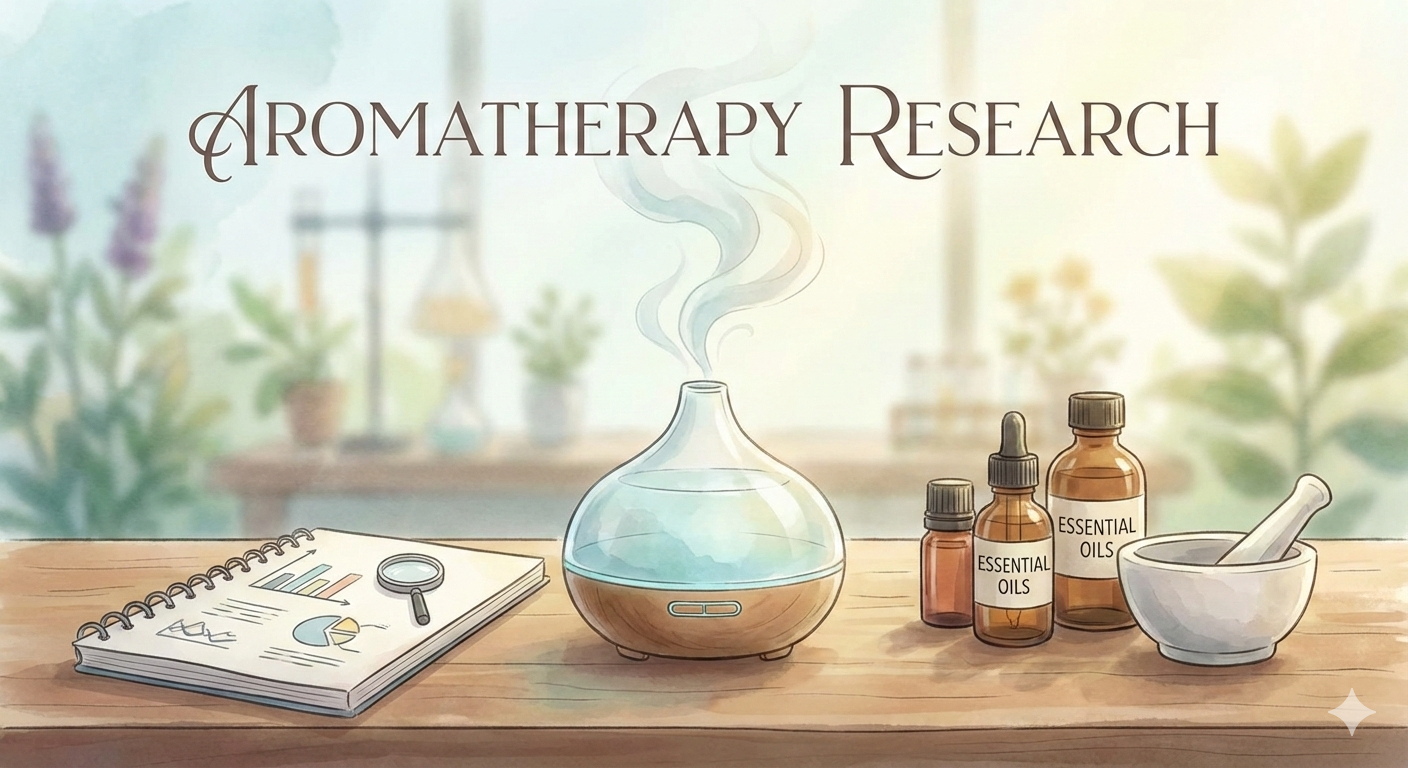
Aromatherapy has been practiced for centuries, yet only in recent decades has it attracted systematic scientific attention. Aromatherapy research seeks to understand how essential oils interact with the human body and mind, moving the practice from folklore toward evidence-based application. By combining chemistry, neuroscience, psychology, and clinical observation, this growing field aims to clarify benefits, limitations, and safety standards. As interest in complementary wellness increases worldwide, rigorous investigation becomes essential to separate genuine therapeutic value from assumption.
Historical Roots and Scientific Curiosity
The origins of aromatic healing lie in ancient civilizations, where plants were used for spiritual rituals, medicine, and hygiene. Modern aromatherapy research does not dismiss these traditions; instead, it examines them through controlled experimentation. Researchers analyze historical usage patterns, then test whether reported outcomes can be measured objectively. This respectful balance between tradition and science has helped establish credibility while preserving cultural knowledge.
Chemical Foundations of Essential Oils
At the heart of aromatherapy lies chemistry. Essential oils are complex mixtures of volatile compounds such as terpenes, esters, and phenols. Aromatherapy research focuses on identifying how these molecules behave when inhaled, absorbed through skin, or metabolized. Gas chromatography and mass spectrometry allow scientists to map oil composition precisely. Understanding these chemical profiles helps explain why certain oils may calm the nervous system, while others stimulate alertness or support immune responses.
Absorption and Biological Pathways
Once essential oils enter the body, they follow distinct biological pathways. Inhalation activates olfactory receptors linked directly to the limbic system, influencing emotion and memory. Topical application allows compounds to penetrate the skin and enter circulation. Aromatherapy research investigates how dosage, method of delivery, and individual physiology affect outcomes, highlighting that effectiveness depends on far more than scent preference alone.
Psychological and Neurological Perspectives
One of the most active areas of aromatherapy research involves mental and emotional health. Studies often explore stress reduction, anxiety management, mood regulation, and sleep quality. Brain imaging and hormonal analysis help measure changes in cortisol levels, heart rate variability, and neural activity. These findings suggest that aromatic compounds may support relaxation responses when used appropriately, though results vary based on context and individual sensitivity.
Placebo, Perception, and Expectation
Researchers also examine the psychological influence of expectation. Because scent is strongly linked to memory and emotion, perceived benefit may amplify physiological responses. Aromatherapy research therefore frequently includes placebo-controlled designs to distinguish chemical effects from psychological associations. This transparency strengthens scientific credibility and ensures more accurate conclusions.
Clinical Applications and Healthcare Integration
In clinical environments, aromatherapy is often explored as a complementary approach rather than a replacement for medical treatment. Aromatherapy research in hospitals, palliative care, and rehabilitation settings investigates whether essential oils can enhance patient comfort, reduce perceived pain, or improve emotional well-being. Nurses and therapists may use standardized protocols to ensure safety and consistency, reflecting a more professionalized approach to aromatic care.
Pain, Recovery, and Quality of Life
Some studies focus on pain perception, postoperative recovery, and chronic discomfort. While results are not universally conclusive, aromatherapy research indicates potential supportive benefits when combined with conventional therapies. Importantly, these studies emphasize ethical practice, informed consent, and clear communication with patients.
Safety, Ethics, and Standardization
As popularity grows, safety becomes a central concern. Aromatherapy research addresses potential risks such as skin irritation, allergic reactions, toxicity, and interactions with medications. Researchers advocate proper dilution, quality sourcing, and practitioner education. Ethical guidelines ensure that vulnerable populations, including children and pregnant individuals, are protected through evidence-informed recommendations.
Quality Control and Regulation
Another challenge lies in standardization. Essential oils vary based on plant species, cultivation, extraction methods, and storage. Aromatherapy research supports the development of quality benchmarks to reduce variability and improve reproducibility in studies. This step is critical for integrating aromatherapy into regulated healthcare frameworks.
Bridging Holistic and Scientific Worldviews
One of the most valuable contributions of aromatherapy research is its ability to bridge holistic philosophy with empirical science. Rather than dismissing subjective experiences, researchers seek methods to measure them responsibly. This inclusive approach encourages collaboration between scientists, healthcare professionals, and traditional practitioners, fostering mutual respect and shared learning.
Future Directions and Emerging Technologies
Advances in neuroscience, wearable health devices, and data analytics are shaping the future of aromatherapy research. Real-time biometric monitoring allows researchers to observe subtle physiological changes linked to aromatic exposure. Personalized wellness models may eventually tailor aromatic interventions based on genetic, emotional, and environmental factors.
Education and Global Collaboration
International collaboration is expanding, with universities and research centers sharing methodologies and findings. Education plays a vital role in translating research into practice, ensuring that consumers and practitioners alike understand both benefits and limitations.
Conclusion
Aromatherapy research represents a thoughtful evolution of an ancient practice into a modern investigative discipline. By applying scientific rigor without dismissing traditional wisdom, it creates a balanced understanding of how scent influences human well-being. While not a cure-all, ongoing research provides clarity, safety, and credibility, allowing aromatherapy to occupy a meaningful, ethical place within contemporary wellness and integrative healthcare systems.