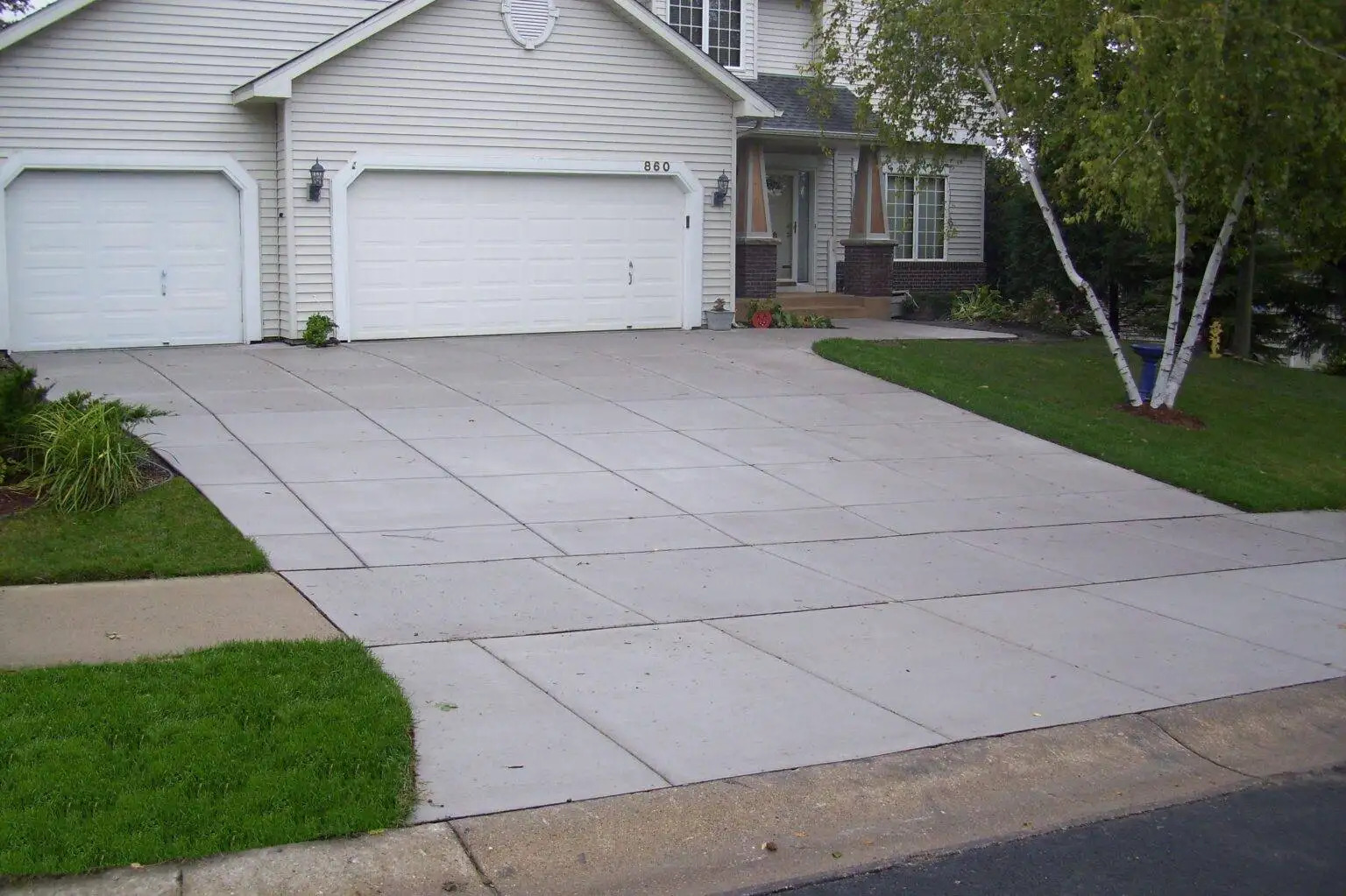
A driveway is more than a place to park vehicles. It sets the tone for the property, controls access, and absorbs daily wear from traffic and weather. Many property owners begin upgrading their exterior once they realize that driveway installation affects both functionality and long-term surface durability, not just curb appeal.
A properly built driveway must handle weight, resist movement, and manage water flow while still complementing the surrounding landscape. Achieving that balance requires careful planning, accurate preparation, and experienced execution from the ground up.
Why Driveway Planning Comes Before Construction?
The most successful driveway projects begin with evaluation rather than materials. Soil conditions, slope, drainage paths, and usage patterns all influence design decisions.
Ignoring these factors often leads to surface shifting, cracking, or drainage problems. A structured plan ensures the driveway performs consistently rather than becoming a recurring maintenance issue.
Understanding Load and Traffic Requirements
Not all driveways serve the same purpose. Residential use, commercial access, or mixed traffic each place different demands on a surface.
Vehicle weight, frequency of use, and turning movement determine base depth and reinforcement needs. Designing for actual use conditions ensures the driveway holds up over time without premature wear.
Ground Preparation Is the Critical Phase
Surface materials are only as strong as what lies beneath them. Excavation and base preparation determine whether a driveway remains stable or deteriorates within a few seasons.
Proper compaction and grading create a foundation that distributes weight evenly and prevents settling. This stage is often invisible after completion, but it is the most important factor in long-term performance.
Managing Water and Drainage
Water damage is one of the leading causes of driveway failure. Without controlled runoff, moisture seeps beneath the surface and weakens the base.
Well-designed driveways incorporate slope, edge control, and drainage pathways that move water away from structural areas. This protects both the driveway and nearby landscape elements.
Surface Alignment and Layout
Driveway layout affects usability, safety, and appearance. Width, entry angle, and transition points must allow vehicles to enter and exit comfortably without damaging edges.
Proper alignment also reduces unnecessary stress on specific areas, extending the life of the surface and improving daily functionality.
Integration With Surrounding Hardscape
A driveway rarely exists alone. Walkways, retaining walls, and outdoor features often connect directly to it.
Consistency in elevation, material selection, and spacing ensures these elements work together rather than competing visually or structurally. Integrated design improves both aesthetics and performance.
Material Selection Based on Function
Different materials offer different strengths. Some prioritize flexibility, others emphasize load capacity or visual detail.
Choosing materials based on actual usage rather than appearance alone ensures the driveway performs as expected under real-world conditions. Durability should always guide design decisions.
Edge Restraints and Structural Support
Edges are often the first areas to fail on poorly built driveways. Without proper restraints, materials shift outward under pressure.
Strong edge support locks the surface in place, preserving alignment and preventing gradual movement that leads to uneven sections and surface breakdown.
Long-Term Maintenance Expectations
Even the best driveways require some maintenance. However, well-installed systems keep maintenance predictable and minimal.
Cleaning, joint stabilization, and periodic inspections help preserve surface integrity and appearance without frequent repairs or major disruption.
Avoiding Common Installation Mistakes
Shortcuts during preparation or alignment often lead to costly corrections later. Uneven compaction, improper slope, or rushed finishing create issues that worsen over time.
Professional oversight prevents these problems by ensuring each phase of the project is completed correctly before moving forward.
Driveways as a Property Investment
A high-quality driveway adds measurable value to a property. It improves access, enhances visual appeal, and reduces future repair costs.
When built correctly, the return comes not only in appearance but also in reliability and longevity.
Adapting to Site-Specific Challenges
No two properties are identical. Soil type, elevation changes, and space limitations require adjustments during planning and execution.
Experienced professionals adapt designs to real conditions without compromising structural integrity or performance.
Why Professional Experience Matters?
Driveway construction involves technical decisions that affect long-term results. Experience allows potential issues to be identified and addressed before they become problems.
This is especially important during driveway installation, where precision in preparation and placement determines how well the surface performs for years to come.
Choosing a Reliable Construction Partner
Successful outdoor projects depend on communication, planning, and execution. Clear timelines and realistic assessments ensure expectations are met without surprises.
Delta Pavers LLC focuses on building driveways that balance structure, durability, and visual consistency. Their approach emphasizes proper preparation, careful layout, and long-term performance so each project delivers lasting value rather than short-term results.