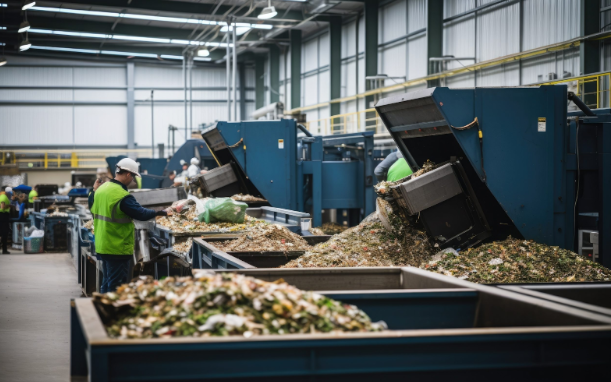
As global awareness about sustainability grows, organics recycling has become an essential part of waste management. Food waste, garden trimmings, and other organic materials can be transformed into valuable resources rather than ending up in landfills. By adopting organics recycling practices, communities, businesses, and households can reduce environmental impact, conserve resources, and contribute to a circular economy.
What Is Organics Recycling?
Organics recycling involves the collection, processing, and repurposing of biodegradable waste materials. These include:
- Food scraps from households, restaurants, and grocery stores
- Yard waste such as leaves, grass clippings, and branches
- Coffee grounds, eggshells, and other compostable kitchen waste
Through controlled processes such as composting or anaerobic digestion, these organic materials are converted into useful products like compost, mulch, and biogas.
Benefits of Organics Recycling
Environmental Benefits
Recycling organics helps reduce greenhouse gas emissions caused by food waste decomposing in landfills. Methane, a potent greenhouse gas, is generated when organic waste breaks down anaerobically in landfill conditions. By diverting organics to recycling systems, we can significantly reduce methane emissions and combat climate change.
Soil Enrichment
Composting organic waste produces nutrient-rich soil amendments. These improve soil health, enhance plant growth, and reduce the need for chemical fertilisers. Gardeners, farmers, and landscapers can benefit from high-quality compost made from recycled organics.
Economic Advantages
Businesses that implement organics recycling programs can lower disposal costs, avoid landfill fees, and even generate revenue by selling compost or biogas. Additionally, sustainable practices appeal to environmentally conscious consumers, improving brand reputation.
Waste Reduction
Diverting organics from general waste streams decreases the volume of waste sent to landfills, extending landfill life and reducing the environmental footprint of waste disposal.
How Organics Recycling Works
Collection
Organic materials are collected separately from general waste. This can be done through curbside programs, commercial food waste collection, or designated drop-off sites for garden waste. Proper segregation is key to successful recycling.
Processing
There are several methods to process organic waste:
- Composting: Aerobic decomposition of organic matter produces nutrient-rich compost for gardening and agriculture.
- Anaerobic Digestion: Organic waste is broken down in sealed environments, producing biogas that can be used for energy and nutrient-rich digestate for soil enrichment.
- Mulching: Garden waste can be shredded and used as mulch to retain soil moisture and reduce erosion.
Distribution and Use
Processed organics are distributed to farms, gardens, parks, and energy facilities. Compost enriches soil, mulch protects landscapes, and biogas contributes to renewable energy production.
Challenges in Organics Recycling
While organics recycling offers numerous benefits, there are challenges to consider:
- Contamination of organic waste with plastics or metals can reduce the quality of compost.
- Transportation and processing infrastructure may require significant investment.
- Public awareness and participation are essential for effective segregation and collection.
How Communities Can Promote Organics Recycling
- Educational Programs: Teach households and businesses how to separate organics correctly.
- Incentives: Offer tax breaks, reduced waste fees, or compost giveaways to encourage participation.
- Infrastructure Development: Provide accessible collection points and invest in processing facilities.
- Partnerships: Collaborate with local farms, community gardens, and energy producers to use recycled organics effectively.
Conclusion
Organics recycling is a practical and sustainable solution to the growing problem of food and garden waste. By converting organic materials into compost, mulch, and renewable energy, communities can reduce landfill use, enrich soil, and support environmental sustainability. When combined with broader waste management practices, such as co-mingled recycling, the impact is even greater, ensuring that recyclable materials and organics are processed efficiently. Whether implemented at a household, business, or municipal level, organics recycling transforms waste into valuable resources, creating a positive impact for both the environment and the economy.