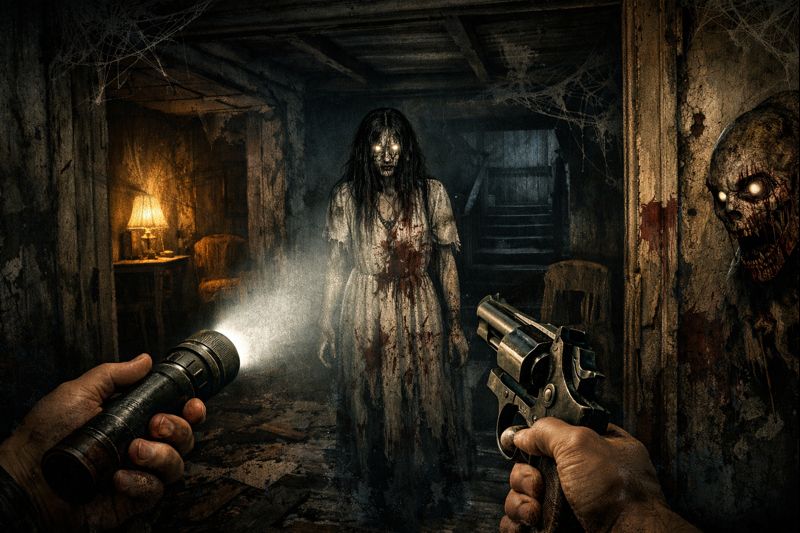
In the vast universe of video games, few genres evoke as much adrenaline, fear, and excitement as HORROR gameplay. From eerie soundscapes to heart-pounding jump scares, horror games offer a unique experience that combines storytelling, strategy, and immersive environments. Unlike other genres, horror games challenge players not just in terms of skill but also psychologically, tapping into deep-seated fears and instincts.
This article dives deep into what makes horror games so compelling, exploring their history, key elements, popular titles, and tips for players who want to embrace the terror safely.
The Evolution of Horror Games
Horror games have come a long way since the early days of pixelated monsters and simple jump scares. The first true horror video games appeared in the 1980s, with titles like Sweet Home and Alone in the Dark introducing narrative-driven horror experiences. These games combined exploration, puzzle-solving, and limited resources to build tension, laying the groundwork for modern horror titles.
The 1990s brought technological advancements that made horror more immersive. With improved graphics and sound design, games like Resident Evil and Silent Hill created worlds that felt tangible and terrifying. Players were no longer just dodging enemies—they were navigating realistic spaces filled with suspense, environmental storytelling, and moral dilemmas.
In recent years, horror games have embraced virtual reality (VR) and first-person perspectives, heightening immersion to almost unbearable levels. Titles like Phasmophobia and Resident Evil Village blur the line between fiction and reality, making players question whether they can truly escape the horrors they face.
Core Elements of a Horror Game
Horror games succeed when they tap into universal fears and present them in engaging ways. Several core elements define the genre:
1. Atmosphere and Environment
The atmosphere is perhaps the most important aspect of a horror game. Dimly lit corridors, creaking floorboards, and abandoned buildings create a sense of vulnerability and anticipation. Environmental storytelling, such as scattered notes or blood-stained walls, adds depth and context, making the player feel like part of the narrative.
2. Sound Design
Sound is a powerful tool in horror games. From distant footsteps to unsettling whispers, audio cues heighten tension and alert players to potential threats. Sudden spikes in volume or eerie background music can trigger the body’s fight-or-flight response, increasing immersion and fear.
3. Psychological Horror
Not all scares rely on monsters or gore. Psychological horror focuses on unsettling the player through uncertainty, isolation, and manipulation. Games like Layers of Fear and Silent Hill 2 use distorted visuals, unreliable narrators, and mind-bending puzzles to evoke dread and paranoia.
4. Limited Resources
Many horror games restrict ammunition, health, or other resources to force players into difficult decisions. This scarcity amplifies tension and reinforces the feeling of helplessness, making encounters with enemies far more intense.
5. Jump Scares and Threats
While jump scares are a common trope, effective horror games balance them with narrative and suspense. Unexpected threats—whether a creature leaping out from the shadows or a sudden environmental hazard—keep players on edge without becoming predictable.
Popular Horror Games That Shaped the Genre
Several games have left a lasting impact on the horror gaming community.
-
Resident Evil Series: The franchise that defined survival horror, combining puzzles, combat, and a terrifying storyline. Modern installments blend cinematic visuals with heart-pounding gameplay.
-
Silent Hill Series: Known for psychological horror and deeply unsettling atmospheres, Silent Hill explores fear on a subconscious level.
-
Amnesia: The Dark Descent: A first-person game emphasizing stealth and exploration over combat, with psychological elements that keep players constantly on edge.
-
Outlast: Set in an abandoned asylum, Outlast is famous for its jump scares and the absence of combat, forcing players to hide or flee.
-
Phasmophobia: A multiplayer horror experience where players investigate haunted locations, blending social interaction with paranormal tension.
Each of these games demonstrates different ways developers manipulate fear, showing that horror is not a one-size-fits-all genre.
Why Horror Games Appeal to Gamers
It may seem counterintuitive, but many gamers actively seek out experiences that scare them. Horror games offer a combination of thrills and rewards that few other genres can match:
-
Adrenaline Rush: The stress of encountering a threat triggers a natural adrenaline response, which can be exhilarating when the danger is virtual.
-
Immersive Storytelling: Horror games often emphasize narrative and world-building, drawing players into rich, detailed environments.
-
Problem-Solving Under Pressure: Many horror games incorporate puzzles and resource management, requiring players to think strategically while under duress.
-
Social Experience: Multiplayer horror games, like Dead by Daylight or Phasmophobia, allow friends to share scares, heightening the enjoyment through social interaction.
For some players, horror games provide a safe way to explore fear, allowing them to confront and overcome anxiety in a controlled environment.
Tips for a Better Horror Gaming Experience
Whether you are a seasoned player or new to the genre, there are strategies to enhance your experience:
-
Play in a Dark, Quiet Room
A dimly lit environment with minimal distractions amplifies immersion, making scares more effective. -
Use Quality Headphones
Good audio is essential for detecting subtle cues and increasing tension. Surround sound can make footsteps, whispers, and environmental noises feel real. -
Take Breaks
Horror games can be psychologically intense. Short breaks prevent fatigue and maintain enjoyment. -
Adjust Difficulty Levels
Some games allow you to modify difficulty. Beginners might prefer less punishing mechanics, while veterans may enjoy the extra challenge of limited resources and tougher enemies. -
Play with Friends (Optional)
Multiplayer horror games are often scarier—and funnier—with friends. Shared experiences can enhance suspense while providing emotional support during tense moments.
The Psychological Impact of Horror Games
Researchers have studied the effects of playing horror games, noting both positive and negative outcomes. On the positive side, exposure to controlled fear can improve stress resilience and problem-solving abilities. Players often report a sense of achievement and exhilaration after surviving a terrifying encounter.
However, excessive exposure can lead to heightened anxiety or sleep disturbances for sensitive individuals. It’s important to recognize personal limits and avoid prolonged sessions that negatively affect mental health.
Interestingly, the unpredictability of horror games often mirrors real-life challenges. By navigating uncertainty and danger in a virtual space, players practice adaptability, patience, and decision-making under pressure.
The Future of Horror Gaming
The future of horror gaming promises even more immersion and innovation. Virtual reality (VR) is already transforming the genre, offering 360-degree experiences that place players directly in terrifying environments. Augmented reality (AR) could bring horror into real-world settings, blending digital scares with physical spaces.
Artificial intelligence (AI) is also making horror games smarter. Dynamic enemies, procedurally generated scares, and adaptive storylines will allow for personalized horror experiences, ensuring that no two playthroughs are exactly the same.
As technology evolves, developers will continue to experiment with ways to engage players’ senses and emotions, making the future of horror games both unpredictable and thrilling.
Conclusion
HORROR gameplay is more than just frightening visuals or loud noises—it is an art form that blends storytelling, strategy, and psychological tension. From classic survival horror to cutting-edge VR experiences, horror games challenge players to confront fear, think critically, and immerse themselves in unforgettable worlds.
For anyone seeking excitement, a rush of adrenaline, or a deep narrative experience, horror games offer a unique escape. By understanding the core elements, exploring popular titles, and playing responsibly, gamers can fully appreciate the thrill that only horror games provide. Whether it’s the suspense of exploring a haunted mansion or the terror of a creature lurking in the shadows, one thing is certain: the world of horror gaming will continue to scare, captivate, and inspire players for years to come.