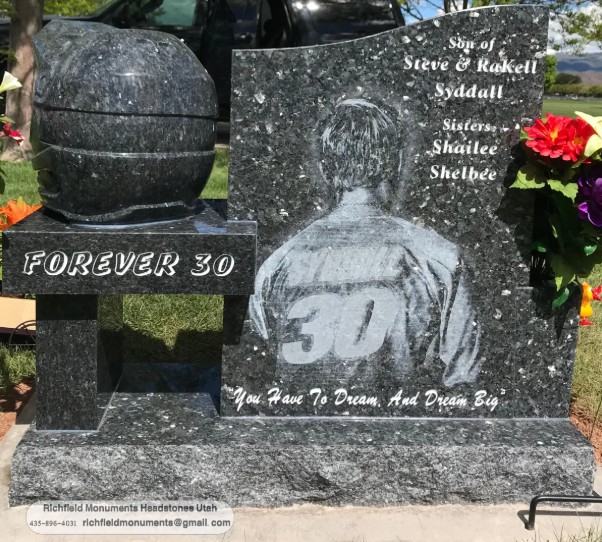
Losing a loved one is one of life’s most painful experiences. In times of grief, memorializing their memory with a lasting tribute can provide comfort and a sense of connection. Memorial monuments are an essential part of this process, serving as both a tribute to the departed and a place for family and friends to gather, reflect, and remember.
Memorial monuments are more than just markers—they are a representation of the legacy of someone’s life. Whether you are planning a memorial for yourself or for a loved one, choosing the right design and material is crucial in ensuring that the monument honors their memory in a meaningful way. In this article, we will explore the significance of memorial monuments, their different types, and how specific choices, such as slant headstones for graves, can make a difference in the overall memorial experience.
What Are Memorial Monuments?
Memorial monuments are structures placed at the site of a grave to honor and remember the deceased. They vary greatly in terms of design, size, and materials, but they all serve the same purpose: to commemorate the life of a loved one. These monuments are often made from durable materials like granite, marble, or bronze, ensuring that they stand the test of time.
There are different types of memorial monuments to choose from, including traditional upright headstones, flat markers, and more elaborate designs like mausoleums or obelisks. The type you choose largely depends on personal preference, budget, and the cemetery’s regulations.
The Significance of Memorial Monuments
Memorial monuments serve several important functions:
- Honoring the Deceased: A memorial monument is a permanent symbol of love and respect for the departed. It reflects the essence of who they were, highlighting their legacy, values, and personality.
- Providing Comfort to the Living: Visiting a grave or memorial monument allows family members and friends to honor the deceased. It provides a physical location for reflection and remembrance, offering solace during difficult times.
- Cultural and Religious Significance: In many cultures, memorial monuments have deep religious or spiritual meaning. They may include symbols, inscriptions, or imagery related to specific beliefs or traditions, ensuring that the monument aligns with the values of the deceased and their family.
- Preserving History: Memorial monuments help preserve the memory of individuals for future generations. They allow descendants to learn about their family history and ensure that the legacy of their loved ones lives on.
Different Types of Memorial Monuments
When it comes to selecting a memorial monument, there are various styles and options to consider. Some of the most common types include:
- Upright Headstones
The upright headstone is one of the most traditional and recognizable forms of memorial monuments. This type features a vertical stone that stands tall at the grave site. It can be customized with a variety of designs, including etched images, quotes, and even detailed carvings. Upright headstones are a classic choice for families looking for a bold and prominent memorial. - Flat Markers
Flat markers, also known as lawn-level markers, are placed flush with the ground. While these markers are less visually imposing than upright headstones, they are a more subtle and often more affordable option. Flat markers can still be customized with engraved text and designs, offering a tasteful memorial that blends in with the surrounding landscape. - Slant Headstones
A slant headstone is a variation of the upright headstone that features a slanted surface. This type of memorial monument stands at an angle, which makes it easier to read the inscription from a distance. The slanted design is both practical and visually striking, offering a modern take on traditional headstone designs. Slant headstones are a popular choice for families who want a unique and elegant memorial for their loved one. - Mausoleums
Mausoleums are large, freestanding structures that house the remains of the deceased. They can be elaborate, ornate buildings or more simple structures, depending on personal preference and budget. Mausoleums offer a private, enclosed space for families to memorialize their loved ones, often featuring intricate designs and multiple burial chambers. - Obelisks and Pillars
Obelisks and pillars are tall, narrow monuments that often feature a pyramid-shaped top. These memorials are striking in appearance and are typically used for individuals of great significance or to symbolize eternal life. They are often made from durable materials such as granite or marble and can be adorned with engravings, carvings, and other decorative elements. - Bench Memorials
A bench memorial is a functional yet commemorative option that allows family members and visitors to sit and reflect. These benches can be engraved with personal messages, quotes, or images and are designed to offer a peaceful space for contemplation while honoring the memory of the deceased.
Choosing the Right Memorial Monument
Choosing the right memorial monument involves several factors. Here are some important things to consider when making your decision:
- Personal Preferences
The design of the memorial should reflect the personality and legacy of the individual being memorialized. Consider their interests, values, and life achievements when selecting the design. Would they prefer a traditional, elegant look or something more modern and unique? - Budget
Memorial monuments come in a wide range of prices, depending on the material, design, and size. It’s important to establish a budget before you begin the selection process. While some options like flat markers may be more affordable, larger, more intricate monuments such as mausoleums or obelisks may require a larger investment. - Cemetery Regulations
Before choosing a memorial monument, check with the cemetery to see if there are any specific regulations regarding size, material, and design. Some cemeteries may have restrictions on the types of monuments that can be used in their grounds. - Material Choices
The material you choose for your memorial monument affects both its appearance and longevity. Granite and marble are the most common materials, offering durability and aesthetic appeal. Bronze and other metals are also used for certain types of memorials. Choose a material that suits your budget and desired appearance.
Slant Headstones for Graves: A Unique and Elegant Choice
One type of memorial monument that has gained popularity in recent years is the slant headstone for graves. These headstones offer a distinctive slanted design that provides both visual interest and practical benefits.
Slant headstones are typically shorter than upright headstones, which makes them easier to maintain and less likely to be damaged by environmental factors. Their slanted surfaces make inscriptions easier to read from a distance, and they can be customized with a variety of engraving options, including names, dates, symbols, and personal messages.
One of the advantages of choosing slant headstones for graves is their unique appearance. The slanted design adds a modern touch to traditional memorials, offering a contemporary alternative for families looking for something different. Additionally, the slant ensures that the inscription on the headstone is more visible than on a standard upright design, which is particularly important for those visiting the site from a distance.
Many families choose slant headstones for graves because of their versatility and elegance. These monuments come in a variety of sizes and materials, making it easy to find the perfect option for any budget. Whether you are looking for something simple or elaborate, slant headstones can be personalized to reflect the life and legacy of your loved one.
Conclusion
Choosing the right memorial monument is a deeply personal decision. It’s an opportunity to create a lasting tribute to a loved one that honors their memory for years to come. Whether you choose a classic upright headstone, a subtle flat marker, or an elegant slant headstone for graves, the monument should reflect the individuality of the person it memorializes.
By considering your budget, the personality of the deceased, and the design that will best represent their legacy, you can make an informed decision. Slant headstones for graves offer a beautiful and unique alternative to traditional headstones, combining functionality with modern design. No matter what type of memorial monument you choose, it will serve as a lasting tribute to the life, love, and memories of your loved one.