
When it comes to constructing or renovating a commercial property, the stakes are higher than in residential projects. Businesses require spaces that are not only functional and aesthetically appealing but also compliant with building codes, safety regulations, and operational efficiency. This is where a commercial contractor becomes indispensable.
A commercial contractor manages the planning, coordination, and execution of construction projects for offices, retail spaces, restaurants, warehouses, and other commercial facilities. They ensure projects are completed on time, within budget, and built to last.
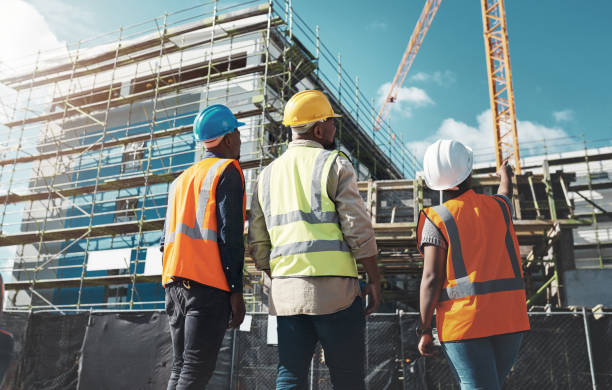
What Does a Commercial Contractor Do?
Commercial contractors oversee the entire lifecycle of a commercial construction project. Their responsibilities typically include:
-
Reviewing architectural and engineering plans
-
Coordinating subcontractors (plumbing, electrical, HVAC, etc.)
-
Managing project schedules and budgets
-
Securing permits and scheduling inspections
-
Ensuring compliance with local building codes and safety regulations
-
Overseeing quality control throughout the project
Essentially, a commercial contractor acts as the single point of accountability, making complex projects manageable for business owners.
When Should You Hire a Commercial Contractor?
Commercial projects are usually larger and more complex than residential ones. Hiring a commercial contractor is essential when your project involves:
-
New office buildings or retail stores
-
Restaurant or hospitality construction
-
Industrial facilities or warehouses
-
Renovations or expansions of existing commercial properties
-
Tenant improvements and space build-outs
Attempting to coordinate multiple contractors without professional oversight can lead to delays, budget overruns, and regulatory issues.
Key Benefits of Working With a Commercial Contractor
Expertise in Compliance and Safety
Commercial properties must meet strict building codes, ADA accessibility requirements, fire safety regulations, and other standards. Experienced contractors ensure your project is fully compliant.
Efficient Project Management
From scheduling subcontractors to ordering materials, a commercial contractor ensures all moving parts work together seamlessly, reducing delays and cost overruns.
Quality Assurance
Professional contractors maintain high standards for workmanship, materials, and finishes, ensuring your business space is durable and professional-looking.
Cost Control
Through accurate budgeting, value engineering, and resource management, a commercial contractor helps prevent unexpected expenses.
Services Typically Offered by Commercial Contractors
Commercial contractors often provide a wide range of services to meet business needs:
-
New Construction: Building commercial spaces from the ground up
-
Renovations and Tenant Improvements: Updating interiors for functionality, compliance, or aesthetic appeal
-
Build-Outs: Customizing spaces for specific business operations
-
Maintenance and Facility Upgrades: Ensuring safety, efficiency, and modern standards
-
Project Management: Full oversight from planning to final inspections
Each service is tailored to ensure minimal disruption to business operations while achieving professional results.
The Commercial Construction Process
Understanding the process helps business owners plan effectively and anticipate timelines.
-
Initial Consultation: Assessing project goals, budget, and site conditions
-
Design Review: Ensuring plans are feasible and compliant with codes
-
Permitting and Approvals: Securing necessary permits before construction begins
-
Construction Phase: Coordinating subcontractors, managing schedules, and monitoring quality
-
Final Inspection and Handover: Ensuring the space meets design intent, safety standards, and operational needs
This structured approach reduces risks and streamlines project delivery.
Common Challenges in Commercial Projects
Commercial construction can be complicated, often revealing challenges such as:
-
Integrating modern systems (HVAC, IT, lighting) into existing structures
-
Working around ongoing business operations
-
Meeting tight deadlines for tenant occupancy
-
Managing larger teams of subcontractors and materials
Experienced commercial contractors anticipate these challenges and develop solutions before they become costly problems.
Long-Term Value of Hiring a Commercial Contractor
A well-executed commercial project doesn’t just provide a functional space—it adds long-term value to your business. Benefits include:
-
Improved operational efficiency
-
Enhanced employee and customer experience
-
Compliance with safety and regulatory standards
-
Increased property value and appeal for potential tenants
Hiring a qualified commercial contractor is an investment in both your business and your property.
How to Choose the Right Commercial Contractor
Selecting the right commercial contractor ensures project success. Consider the following:
-
Experience with similar commercial projects
-
Licensing, insurance, and professional credentials
-
Transparent communication and detailed estimates
-
Strong portfolio and client references
-
Structured project management processes
A reliable contractor provides guidance, manages risk, and delivers quality results—allowing business owners to focus on operations instead of construction headaches.
Final Thoughts
Commercial construction is complex, but a professional commercial contractor can turn your vision into a functional, safe, and attractive space. From new builds to renovations, a contractor ensures compliance, quality, and efficiency throughout every phase of the project.
For businesses planning a build-out, office renovation, or commercial expansion, hiring the right commercial contractor is critical to success and long-term value.
