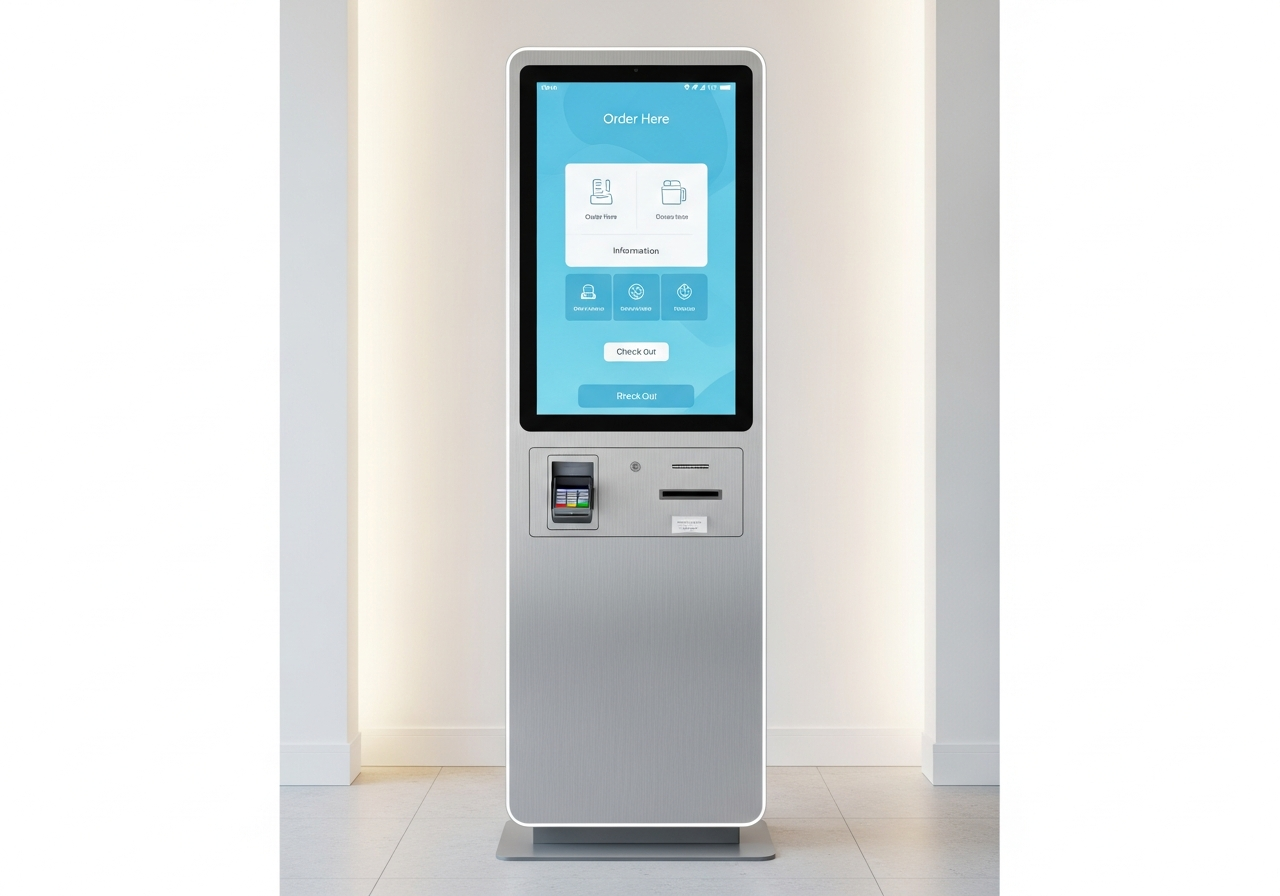
Dubai has always been at the forefront of adopting smart technologies, and the rapid evolution of kiosk machines is a clear example of this trend. One of the most influential models driving this transformation is the McDonald’s drive-thru kiosk system. Known globally for operational efficiency and customer convenience, McDonald’s has redefined how self-service technology can enhance speed, accuracy, and user experience. In Dubai, this model is now shaping the future of smart kiosks across industries far beyond fast food.
The Evolution of Drive-Thru Kiosk Technology
Traditional drive-thru systems relied heavily on human interaction, manual order taking, and limited customization. McDonald’s drive-thru kiosks changed that by integrating touchscreens, AI-driven recommendations, digital menus, and seamless payment systems. These advanced kiosk machines reduce wait times, minimize errors, and allow customers to personalize their orders effortlessly.
In Dubai’s fast-paced, tech-savvy environment, this model aligns perfectly with consumer expectations for speed, precision, and innovation. As a result, many businesses are now adopting similar kiosk-driven workflows inspired by the McDonald’s drive-thru experience.
Why Dubai Is the Perfect Market for Smart Kiosks
Dubai’s smart city initiatives, high smartphone penetration, and diverse population make it an ideal testing ground for next-generation kiosk solutions. Customers in the UAE are already comfortable with digital payments, touchless interactions, and automated services. This has accelerated the adoption of self-service kiosk machines in retail, hospitality, healthcare, transportation, and government services.
McDonald’s drive-thru kiosks demonstrate how automation can improve operational efficiency while maintaining brand consistency. Dubai-based businesses are now applying these principles to create localized, multilingual, and highly intuitive kiosk experiences.
Key Features Driving the McDonald’s Drive-Thru Kiosk Model
Several features make the McDonald’s drive-thru kiosk model a benchmark for smart kiosk development:
1. Speed and Efficiency
Orders placed via kiosk machines are processed faster than traditional methods. Automation reduces bottlenecks during peak hours, a crucial advantage in Dubai’s high-traffic locations.
2. AI-Powered Personalization
Smart kiosks suggest add-ons, upgrades, and popular items based on customer behavior, time of day, and location. This data-driven approach boosts average order value and enhances customer satisfaction.
3. Seamless Digital Payments
Integration with cards, mobile wallets, and contactless payments ensures a smooth checkout process. This aligns with Dubai’s push toward cashless transactions.
4. Consistent User Experience
Unlike manual ordering, kiosks deliver uniform service quality across locations. This consistency is now a priority for brands expanding across the UAE.
Influence on Smart Kiosk Adoption in Dubai
The success of McDonald’s drive-thru kiosks has set new standards for what customers expect from self-service technology. Businesses in Dubai are now investing in smart kiosk machines that replicate these benefits while adapting them to their specific industries.
Retailers are deploying self-ordering kiosks to reduce queue times. Hospitals are introducing patient check-in kiosks to streamline registration. Even fuel stations and parking facilities are adopting drive-thru-style kiosks for ticketing and payments. All of these innovations trace their roots back to proven models like the McDonald’s drive-thru system.
Data, Analytics, and Smarter Decisions
Another major impact of McDonald’s drive-thru kiosks is the use of real-time data. Every interaction with a kiosk machine generates valuable insights into customer preferences, peak usage times, and purchasing behavior. In Dubai, where businesses compete in highly dynamic markets, such data enables smarter inventory management, targeted promotions, and optimized staffing.
This analytical advantage is now a key reason why smart kiosks are becoming essential rather than optional for forward-thinking organizations.
Shaping the Future of Smart Kiosks in Dubai
Looking ahead, the influence of the McDonald’s drive-thru kiosk model will only grow stronger. Future kiosk machines in Dubai are expected to include:
-
Voice-enabled ordering and AI assistants
-
Facial recognition for faster authentication
-
IoT integration for predictive maintenance
-
Advanced multilingual interfaces for diverse users
-
Fully touchless and gesture-based controls
As Dubai continues to position itself as a global innovation hub, smart kiosks will play a vital role in enhancing customer experiences while reducing operational costs.
Conclusion
The McDonald’s drive-thru kiosk model is more than a fast-food innovation—it is a blueprint for the future of smart kiosks in Dubai. By combining speed, automation, personalization, and data intelligence, this model has reshaped customer expectations across industries. Businesses that adopt similar kiosk machine strategies will be better equipped to meet the demands of Dubai’s digital-first consumers and stay competitive in an increasingly automated world.