Does a hair transplant procedure require specific aftercare is one of the most common questions asked by people considering advanced hair restoration solutions. In a competitive medical tourism hub like Hair Transplant in Dubai, aftercare plays a vital role in achieving natural, long-lasting results, especially when procedures are performed in regulated clinical environments such as Dynamic Life Clinic.
Understanding Why Aftercare Matters After a Hair Transplant
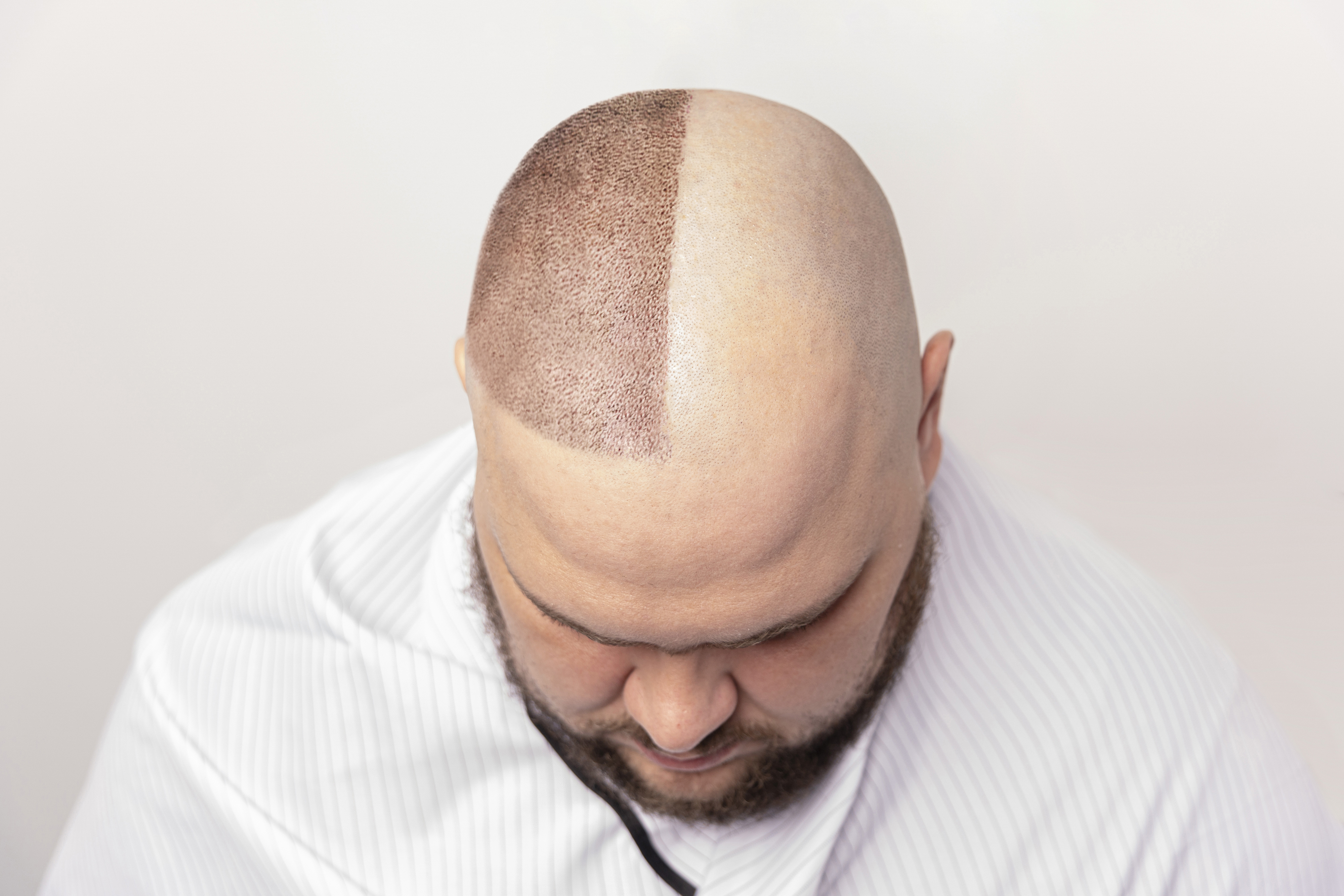
A hair transplant is a minimally invasive procedure, but it still involves the scalp undergoing controlled trauma. Aftercare is essential because newly implanted hair follicles are delicate and need time to anchor into the scalp. Proper care supports healing, reduces the risk of complications, and helps ensure consistent hair growth patterns without disrupting graft placement.
Immediate Post-Procedure Care Guidelines
The first few days after the procedure are critical, as the scalp begins its healing phase. Patients are typically advised to follow structured care routines to protect grafts and maintain scalp hygiene.
Key early aftercare considerations include:
-
Keeping the scalp clean and dry as advised
-
Avoiding direct sun exposure and excessive sweating
-
Sleeping with the head elevated to reduce swelling
-
Refraining from touching, scratching, or rubbing the treated area
These steps are especially relevant in Dubai’s climate, where heat and humidity can impact recovery if precautions are not followed.
Scalp Healing and Hygiene Practices
Maintaining proper scalp hygiene is a cornerstone of hair transplant aftercare. Gentle cleansing routines help prevent buildup while allowing scabs to shed naturally. The scalp may feel tight or sensitive during this phase, which is a normal part of recovery and gradually improves as healing progresses.
Regular but careful cleansing also supports oxygen flow to follicles, which is essential for graft survival and healthy hair regrowth.
Activity Restrictions During Recovery
Physical activity can increase blood flow to the scalp, which may affect graft stability in the early stages. Patients are often advised to temporarily limit certain activities to avoid unnecessary strain on the scalp.
Common activity-related guidelines include:
-
Avoiding intense workouts or sports for a short period
-
Limiting exposure to dusty or polluted environments
-
Staying away from swimming pools and saunas initially
These precautions help protect the scalp while it adapts to the newly transplanted follicles.
Hair Growth Timeline and What to Expect
Understanding the natural hair growth cycle helps set realistic expectations during recovery. Transplanted hair may shed initially, which is a normal biological response. This phase is followed by gradual regrowth as follicles enter a new growth cycle.
Consistency in aftercare supports this transition, helping hair grow evenly and blend naturally with existing hair.
Long-Term Aftercare and Lifestyle Considerations
After the initial healing phase, ongoing care focuses on scalp health and overall wellness. Healthy lifestyle habits can positively influence hair quality and growth over time, particularly in urban environments like Dubai.
Long-term aftercare often includes:
-
Maintaining a balanced diet that supports hair health
-
Managing stress levels, which can impact hair cycles
-
Following recommended hair care routines suitable for the local climate
These practices align with a preventive approach to hair health rather than reactive treatment.
Conclusion
Hair transplant aftercare is a structured process designed to protect grafts, support healing, and promote sustainable hair growth. In destinations known for advanced procedures like Hair Transplant in Dubai, adherence to aftercare guidelines is closely linked to achieving refined, natural-looking outcomes that align with patient expectations and international medical standards.