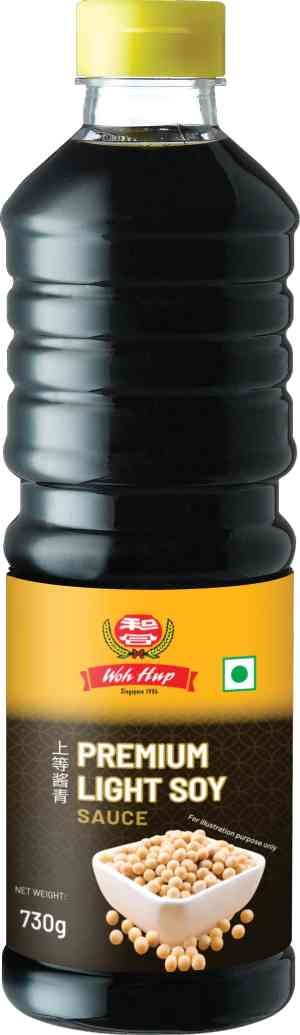
In modern cooking, people are becoming more conscious about reducing excess salt in their diets without sacrificing flavor. Whether you are preparing everyday meals at home or crafting dishes in a professional kitchen, finding ways to enhance taste while controlling sodium levels is a growing priority. One ingredient that plays a surprisingly helpful role in this balance is light soy sauce. Known for its savory depth and aromatic character, light soy sauce can help reduce the need for extra salt while making dishes more flavorful and satisfying.
Understanding the Flavor of Light Soy Sauce
Light soy sauce is a thin, amber-colored sauce commonly used in Chinese and other Asian cuisines. Despite the word “light,” it refers to color and texture rather than sodium content. The sauce is made through fermentation of soybeans, wheat, salt, and water, resulting in a complex flavor that is salty, savory, and rich in umami.
Umami, often described as the fifth taste, adds depth and fullness to food. This is one of the key reasons light soy sauce can replace plain salt in many recipes. Instead of just making food salty, it brings layers of flavor that enhance the overall taste experience.
More Than Just Saltiness
Regular table salt provides only one dimension of flavor, saltiness. Light soy sauce, on the other hand, offers saltiness along with subtle sweetness, fermented notes, and aromatic depth. This complexity means you often need less additional seasoning when cooking.
For example, when preparing stir-fried vegetables, adding a small splash of light soy sauce not only seasons the dish but also enhances the natural flavors of ingredients like mushrooms, cabbage, carrots, and beans. As a result, cooks often find there is no need to sprinkle extra salt at the end.
Enhancing Natural Ingredients
One of the biggest advantages of using light soy sauce is its ability to highlight the natural taste of ingredients. In soups, broths, and sauces, it blends smoothly and distributes flavor evenly. This makes dishes taste well-seasoned without being overly salty.
When used in marinades, light soy sauce penetrates ingredients such as tofu, chicken, fish, or paneer, seasoning them from within. This deep seasoning reduces the need to add extra salt later in the cooking process. The result is a balanced dish where the flavors feel rounded rather than sharp or harsh.
Perfect for Low-Salt Cooking
For people trying to cut back on visible salt, light soy sauce can be a practical alternative. Because it contains fermented components that boost umami, even a small quantity can make a big difference in taste. This allows cooks to rely less on salt shakers while still achieving satisfying flavors.
In dishes like fried rice or noodles, light soy sauce coats each grain or strand evenly, delivering consistent seasoning throughout the dish. This uniform distribution often eliminates the need for extra salt or salty condiments.
A Smart Choice for Stir-Fries
Stir-frying is a quick cooking method where seasoning must be efficient and effective. Light soy sauce is ideal here because it dissolves quickly and blends well with other sauces. It pairs beautifully with garlic, ginger, spring onions, and chili, creating a flavorful base without requiring much added salt.
Because stir-fried dishes cook rapidly over high heat, the sauce’s savory notes intensify, making the dish taste richer. This richness naturally reduces the urge to add more salt for flavor.
Improving Flavor in Soups and Broths
Soups often rely heavily on salt for seasoning, but light soy sauce offers a more nuanced approach. A spoonful in clear soups or noodle broths adds color, aroma, and umami, creating depth without making the dish taste overly salty.
In vegetable or chicken soups, light soy sauce works alongside herbs and spices to build flavor gradually. This layered taste means less dependence on plain salt for seasoning.
Supporting Health-Conscious Cooking
As more people focus on mindful eating, ingredients that enhance taste without overuse of salt are becoming essential. Light soy sauce supports this shift by allowing cooks to create bold flavors with smaller quantities of seasoning.
While it does contain sodium, its strong umami character means you often use it more thoughtfully and in combination with other ingredients. This balanced approach helps create dishes that are flavorful, satisfying, and less reliant on extra salt.
Tips for Using Light Soy Sauce Effectively
To get the best results from light soy sauce while reducing salt use, try these tips:
- Add it gradually and taste as you cook
- Combine it with garlic, ginger, or citrus for extra flavor without extra salt
- Use it in marinades so seasoning spreads evenly
- Pair it with naturally sweet vegetables to balance flavors
These simple techniques help maximize flavor while keeping overall salt levels in check.
Conclusion
Reducing salt in cooking does not have to mean sacrificing taste. Thanks to its savory depth, balanced saltiness, and rich umami character, light soy sauce helps create flavorful meals without the need for excessive added salt. From stir-fries and marinades to soups and noodles, this versatile ingredient enhances natural flavors and brings complexity to everyday dishes. By using light soy sauce thoughtfully, home cooks and chefs alike can enjoy delicious food that feels well-seasoned, satisfying, and more balanced.