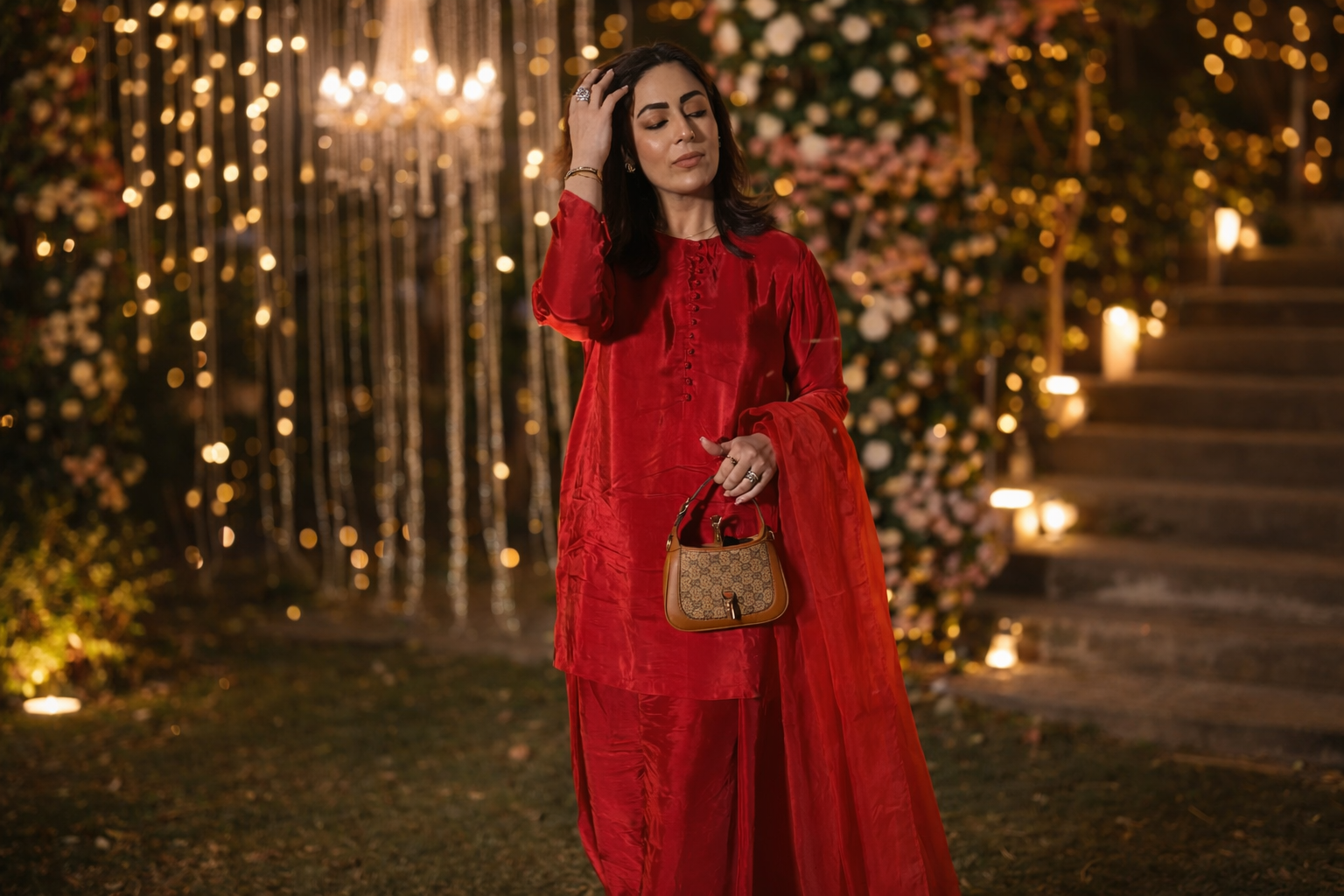
A Red Farshi Set is a classic traditional outfit that represents grace, royalty, and cultural heritage. This elegant attire is widely worn at weddings, festive gatherings, and formal celebrations. Rooted in Mughal-era traditions, this iconic outfit has gracefully evolved into a modern fashion essential while preserving its regal charm. Today, the red farshi set is not just a traditional dress—it is a powerful style statement worn at weddings, festive occasions, and cultural celebrations.
In a world where fashion trends change rapidly, the red farshi set continues to stand strong as a symbol of elegance, femininity, and cultural pride. Whether styled traditionally or with contemporary touches, it remains a favorite among women who appreciate luxury eastern wear.
What Is a Red Farshi Set?
A Red Farshi Set typically consists of three main components:
-
Kameez (Shirt): Often heavily embellished with embroidery, zari, or handwork
-
Farshi Shalwar: A wide, flowing shalwar that spreads elegantly on the floor
-
Dupatta: Usually crafted from chiffon, organza, or net with detailed borders
The defining feature of this outfit is the farshi shalwar, which creates a royal silhouette inspired by Mughal courts. The color red further elevates the outfit, symbolizing love, celebration, and prosperity.
Read also: Stylish Dress for Women Your Complete Guide to Trendy & Elegant Fashion
Historical Significance of the Farshi Shalwar
The farshi shalwar dates back to the Mughal era, where it was worn by queens and noblewomen. The word “farshi” comes from “farsh”, meaning floor—referring to the way the garment spreads gracefully across the ground.
Traditionally, red farshi sets were reserved for special occasions, particularly weddings and royal gatherings. Over time, designers have revived this majestic outfit, blending traditional cuts with modern fabrics and embroidery techniques.
Why Red Is the Perfect Color for a Farshi Set
Red has always been a powerful and meaningful color in South Asian culture. When paired with a farshi silhouette, it creates an unmatched visual impact.
Symbolism of Red:
-
Represents love and passion
-
Signifies good luck and prosperity
-
A traditional bridal color across Pakistan and India
A red farshi set instantly commands attention and exudes confidence, making it ideal for brides, wedding guests, and festive celebrations.
Read also: Top Trending New Dress Designs Available for Delivery in Pakistan
Fabrics Used in Red Farshi Sets
Modern red farshi sets are available in a wide range of luxurious fabrics to suit different preferences and seasons:
-
Raw Silk: Adds structure and richness
-
Jamawar: Perfect for winter weddings
-
Velvet: Ideal for royal and bridal looks
-
Organza & Net: Creates a lighter, contemporary feel
-
Chiffon Dupatta: Adds elegance and movement
The choice of fabric plays a major role in defining the overall look—whether traditional, modern, or fusion.
Embroidery & Design Details
What truly makes a red farshi set stand out is its intricate craftsmanship. Common embellishments include:
-
Zari and dabka work
-
Resham embroidery
-
Kora and gota detailing
-
Hand-embroidered motifs
-
Heavy borders on farshi shalwar and dupatta
Designers often focus on balanced embroidery—keeping the shirt detailed while allowing the farshi shalwar to flow gracefully.
Styling a Red Farshi Set
One of the reasons the red farshi set remains popular is its versatility. Here’s how you can style it for different occasions:
Traditional Bridal Look
-
Heavy kundan or polki jewelry
-
Matha patti or jhoomar
-
Red or gold embellished khussas
-
Center-parted hair with soft waves
Festive or Wedding Guest Look
-
Statement earrings with a minimal necklace
-
Sleek bun or side-swept hair
-
Neutral or gold heels
-
Light makeup with bold lips
Read also:Red Farshi Set – A Timeless Traditional Outfit for Elegant Occasions
Modern Styling Tips
To give your red farshi set a contemporary twist:
-
Pair it with a shorter shirt
-
Opt for pastel or gold embroidery instead of heavy reds
-
Use a minimal dupatta drape
-
Mix traditional cuts with modern accessories
These small changes help keep the outfit trendy while respecting its cultural roots.