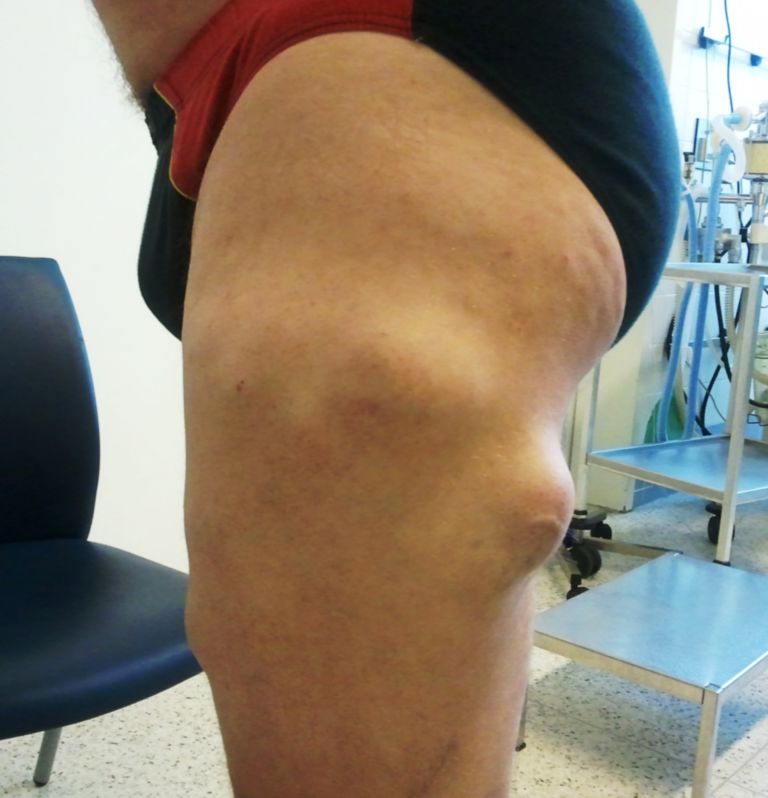
Understanding Lipomas
Common Symptoms of Lipomas
Most lipomas are asymptomatic, but some can cause mild discomfort depending on their size and location. These fatty lumps often appear on the neck, shoulders, back, arms, and thighs. A lipoma is usually:
- Soft and doughy to the touch
- Easily movable under the skin
- Slow-growing over time
- Painless, unless pressing on nerves or blood vessels
Causes and Risk Factors
The exact cause of lipomas remains unclear, but genetics is believed to play a role. Individuals with a family history of lipomas may have a higher likelihood of developing them. Other factors that may contribute include:
- Age: Common in adults between 40 and 60 years old
- Genetics: A hereditary tendency to develop multiple lipomas
- Certain medical conditions: Some rare disorders are associated with lipoma formation
When to Seek Treatment
While lipomas are generally harmless, treatment may be necessary if:
- The lipoma grows rapidly or changes shape
- It causes pain or discomfort
- It interferes with movement or daily activities
- There is uncertainty about whether the lump is benign
Consulting a specialist can help determine whether treatment is required based on an individual’s specific condition.
Diagnostic Procedures
To confirm a lipoma diagnosis, a healthcare provider may perform a physical examination and assess the characteristics of the lump. In some cases, imaging tests may be recommended, such as:
- Ultrasound: To assess the texture and depth of the lump
- MRI or CT Scan: If a deeper evaluation is needed to rule out other conditions
- Biopsy: Rarely required, but may be performed if there are concerns about the nature of the lump
Lipoma Removal Techniques
Several effective methods exist for removing lipomas, with the choice depending on factors like size, location, and individual preference.
Surgical Excision
This is the most common approach for removing lipomas. A small incision is made, and the fatty lump is carefully removed. This method is ideal for larger or deep-seated lipomas. Stitches are typically used to close the incision, and recovery is usually quick.
Liposuction
Liposuction is an alternative for removing softer lipomas. A small tube is inserted into the lump to suction out the fatty tissue. This technique results in minimal scarring and is suitable for certain cases where a less invasive approach is preferred.
Advanced Minimally Invasive Techniques
Some medical centers offer specialized techniques that minimize scarring and downtime. These approaches may involve small incisions and advanced tools to extract the lipoma with precision.
Recovery and Post-Treatment Care
After treatment, most individuals experience a smooth recovery. The healing process depends on the method used and the size of the removed lipoma. Key aspects of post-treatment care include:
- Keeping the area clean to prevent infection
- Avoiding strenuous activities until healing is complete
- Attending follow-up visits if required
Most patients can return to daily routines quickly, with only minor temporary discomfort.
Importance of Professional Consultation
Seeking professional guidance ensures the most suitable treatment plan for each individual. A medical expert can provide personalized advice on whether removal is necessary and recommend the best method based on medical history and physical assessment.
Conclusion
Lipomas are generally harmless but may require treatment if they cause discomfort or aesthetic concerns. Several safe and effective options exist for their removal, ensuring optimal results with minimal downtime. Seeking expert consultation is the best way to determine the most appropriate course of action for managing a lipoma in Abu Dhabi.
Frequently Asked Questions
How do I know if my lump is a lipoma?
A soft, movable lump under the skin that grows slowly is likely a lipoma. A medical examination can confirm the diagnosis.
Is lipoma removal painful?
Most removal procedures involve local anesthesia, making them relatively painless. Mild discomfort may occur during recovery.
Can lipomas grow back after removal?
In most cases, lipomas do not return after complete removal, but some individuals may develop new ones elsewhere.
How long does it take to recover from lipoma removal?
Recovery times vary depending on the procedure but generally range from a few days to a couple of weeks.
Can I leave a lipoma untreated?
Yes, unless the lipoma is causing discomfort, growing rapidly, or affecting movement, it can be left untreated.