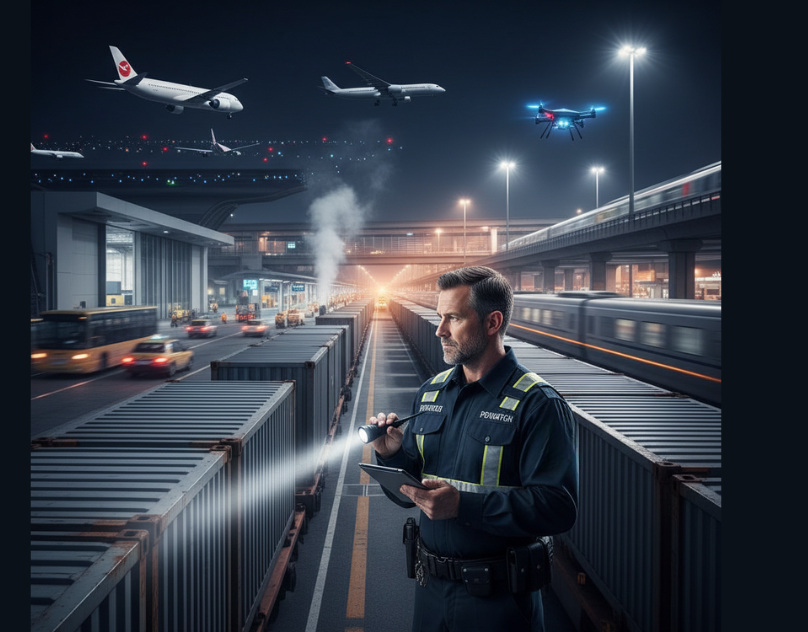
Transportation hubs like airports, train stations, bus terminals, and shipping ports face unique fire safety challenges that demand specialized protection protocols. When fire suppression systems go offline for maintenance, repairs, or upgrades, these high-traffic facilities require immediate interim safety measures. Firewatch security services provide trained personnel who monitor vulnerable areas around the clock, ensuring compliance with fire codes while protecting thousands of daily passengers. This guide explores how dedicated fire watch patrols safeguard critical transportation infrastructure and what facility managers should consider when selecting these essential safety solutions.
What Makes Transportation Hubs Vulnerable to Fire Risks?
Transportation facilities operate 24/7 with massive foot traffic, complex electrical systems, fuel storage areas, and aging infrastructure. According to fire safety standards, any temporary disruption to automatic fire detection or suppression systems creates immediate liability exposure.
These venues contain multiple high-risk zones, including maintenance workshops, baggage handling systems, food service areas, and vehicle fueling stations. A single malfunctioning sprinkler system or disabled smoke detector can leave entire terminal wings unprotected. During renovation projects or system upgrades, traditional fire safety mechanisms often shut down completely, creating dangerous coverage gaps that require human monitoring.
Why Do Facilities Need Dedicated Fire Watch Personnel?
Building codes and insurance requirements mandate continuous fire monitoring when automated systems fail. Trained fire watch guards fill this critical gap by conducting regular patrols, identifying potential ignition sources, and providing immediate emergency response capabilities.
Key responsibilities include:
- Hourly perimeter checks of designated at-risk areas.
- Documentation of patrol routes with timestamped reports.
- Immediate notification of emergency services upon detecting smoke or flames.
- Coordination with facility management and local fire departments.
- Enforcement of hot work permits in construction zones.
- Evacuation assistance during emergency situations.
These professionals understand fire prevention protocols specific to transportation environments, including aviation fuel handling procedures, electrical room safety, and crowd management during evacuations.
How Do Fire Watch Services Differ from Regular Security Guards?
While standard security personnel focus on access control and theft prevention, fire watch specialists receive targeted training in fire detection, suppression techniques, and emergency evacuation procedures. They understand the chemistry of different fire types, recognize early warning signs like unusual odors or heat patterns, and know how to use portable extinguishing equipment effectively.
Specialized training covers:
- Recognition of combustible material hazards in transportation settings.
- Understanding of building fire suppression system operations.
- Proper documentation for insurance and regulatory compliance.
- Communication protocols with fire departments and emergency responders.
- Identification of code violations during construction or renovation work.
This expertise proves invaluable in complex facilities where aviation mechanics, electrical systems, and passenger services operate simultaneously. Firewatch security services personnel can distinguish between normal operational heat sources and potential fire hazards that untrained staff might overlook.
What Should Facility Managers Look for When Hiring Fire Watch Providers?
Choosing the right protection partner requires evaluating several critical factors beyond basic pricing considerations. Reputable providers maintain proper licensing, carry comprehensive liability insurance, and employ guards with verifiable fire safety certifications.
Essential selection criteria:
- State-specific security licensing and bonding requirements.
- Documented fire watch training completion from recognized programs.
- 24/7 dispatch capabilities for immediate emergency deployment.
- Digital reporting systems provide real-time patrol verification.
- Experience working in transportation or aviation environments.
- References from similar facility types and sizes.
The best providers offer scalable solutions that adapt to changing needs during different project phases. Whether covering a single terminal renovation or providing campus-wide protection during system upgrades, flexibility in staffing and scheduling matters significantly.
When Are Fire Watch Services Typically Required in Transportation Settings?
Beyond planned maintenance windows, numerous situations trigger fire watch requirements. Municipal inspectors may mandate temporary monitoring after discovering code violations or following minor fire incidents. Insurance carriers often require documented fire watch coverage as a condition of maintaining property policies during high-risk activities.
Construction projects involving welding, cutting, or other hot work automatically necessitate fire watch presence. OSHA regulations specify exact protocols for hot work monitoring, including continuous observation during operations and extended patrols afterward to catch delayed ignition.
Equipment failures also create urgent needs—when a main fire pump breaks down, or a central alarm system crashes, facilities must immediately implement alternative monitoring until repairs are completed. Weather events damaging roof-mounted detection equipment or power outages affecting fire panels similarly require backup human surveillance.
How Long Do Typical Firewatch Security Services Engagements Last?
Duration varies dramatically based on the underlying situation. Emergency deployments following equipment failures might last just hours or days until repairs are finished. Planned renovation projects could require weeks or months of continuous coverage as contractors work through phases.
System replacement projects represent the longest engagements, sometimes spanning entire construction seasons. Modern fire suppression upgrades in historic terminals might take six months or more, necessitating dedicated fire watch teams throughout the process. Providers typically offer both short-term emergency response and long-term contract arrangements with volume pricing for extended assignments.
Regardless of the timeline, documentation remains paramount. Daily logs, incident reports, and compliance certificates provide the paper trail that satisfies inspectors, insurance adjusters, and legal requirements. Digital systems now enable real-time reporting with GPS verification, timestamped photographs, and instant alert capabilities.
Protecting transportation infrastructure demands proactive safety measures that bridge gaps in automated fire protection systems. Trained fire watch personnel provide the vigilant human oversight that technology alone cannot deliver during vulnerable periods. Facility managers who understand the distinctions between standard security and specialized fire monitoring can make informed decisions that protect passengers, property, and operational continuity. When evaluating providers, prioritize those with transportation-specific experience, robust training programs, and transparent reporting capabilities that demonstrate accountability at every patrol checkpoint.