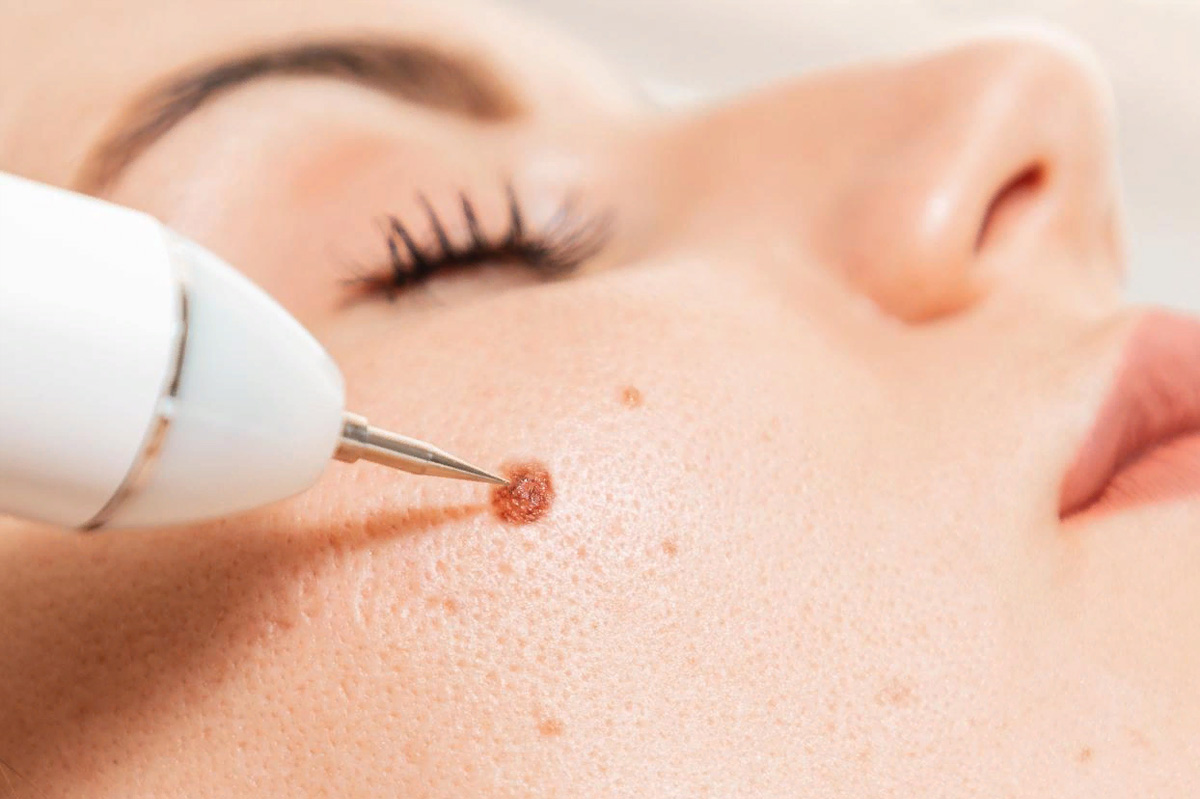
Warts are one of the most common skin conditions globally, affecting people of all ages and backgrounds. Caused by the human papillomavirus (HPV), these growths are often misunderstood, particularly in terms of their contagiousness and how to prevent or treat them. For individuals dealing with this skin concern in the capital of Pakistan, Warts Removal in Islamabad offers advanced medical solutions tailored to different types and severity of warts.
In this article, we’ll explore the contagious nature of warts, how to prevent their spread, and what removal treatments are available in Islamabad for those seeking clear and healthy skin.
What Are Warts?
Warts are small, non-cancerous growths on the skin caused by infection with HPV. There are over 100 strains of HPV, and different strains cause different types of warts. These growths can appear anywhere on the body and vary in shape, size, and texture.
The most common types include:
-
Common warts: Usually found on hands and fingers
-
Plantar warts: Located on the soles of the feet
-
Flat warts: Often appear in clusters on the face or legs
-
Filiform warts: Grow around the mouth, eyes, or nose
-
Genital warts: Transmitted sexually and require specialized treatment
Are Warts Contagious?
Yes, warts are contagious. The virus that causes them—HPV—spreads through direct or indirect contact with an infected person or surface. However, not everyone who comes into contact with the virus will develop warts; this depends on several factors, including individual immunity and skin condition.
How warts spread:
-
Skin-to-skin contact: Touching a wart on someone else’s body
-
Self-spread: Scratching or picking at your own wart and spreading it to other parts
-
Shared objects: Using towels, razors, or shoes of someone with warts
-
Public surfaces: Walking barefoot in communal showers or pools
Warts can also take weeks or even months to appear after exposure, which makes it hard to pinpoint the source of infection.
Who Is Most at Risk?
Although anyone can get warts, certain groups are more susceptible:
-
Children and teenagers
-
People with weakened immune systems
-
Individuals with frequent skin injuries or cuts
-
Those who use communal showers or locker rooms
-
Nail-biters or those who pick at hangnails
Understanding your risk level can help you take proactive measures.
How to Prevent Warts
Prevention is crucial in controlling the spread of warts, especially in families, schools, gyms, and other communal environments.
Effective prevention tips:
-
Wash hands regularly and thoroughly
-
Avoid direct contact with someone else’s wart
-
Do not pick or scratch warts
-
Keep feet clean and dry
-
Wear flip-flops in public showers or pools
-
Avoid sharing personal items (towels, razors, socks)
-
Strengthen your immune system through diet and sleep
-
Use separate nail clippers for infected areas
Parents should teach children about the importance of hygiene, especially in public environments where exposure is likely.
When to See a Dermatologist
While many warts go away on their own, professional treatment may be necessary in the following situations:
-
The wart is painful or bleeds
-
It spreads to other parts of the body
-
It doesn’t respond to over-the-counter treatments
-
It affects daily activities
-
You’re unsure if the growth is actually a wart
Seeing a qualified dermatologist in Islamabad can confirm the diagnosis and ensure the right treatment is selected.
Warts Removal Options in Islamabad
The city is home to numerous advanced skin clinics offering effective wart removal solutions. Treatments are chosen based on the wart’s type, size, location, and patient preferences.
1. Cryotherapy
A popular method that uses liquid nitrogen to freeze the wart, destroying the tissue. It’s quick and usually requires a few sessions.
2. Laser Therapy
Targeted laser energy heats and destroys wart tissue without affecting the surrounding skin. It’s ideal for hard-to-reach or stubborn warts.
3. Electrocautery
Involves burning the wart with an electric current. It’s effective for small, singular warts and ensures complete destruction of the wart structure.
4. Topical Treatments
Medical-grade salicylic acid or other topical agents may be prescribed for superficial warts, especially in children or those with low pain tolerance.
5. Minor Surgery
In extreme cases, surgical excision may be recommended. Though more invasive, it ensures full removal under local anesthesia.
What to Expect During Treatment
The treatment process typically involves:
-
A skin examination
-
Explanation of available removal options
-
Anesthesia or numbing cream (if needed)
-
A quick procedure depending on the chosen method
-
Post-treatment care instructions
Most procedures are done on an outpatient basis, and patients can resume normal activities soon after.
Post-Treatment Care and Recovery
Proper aftercare ensures a smooth recovery and prevents recurrence. Dermatologists in Islamabad provide tailored guidelines, which may include:
-
Keeping the area clean and dry
-
Avoiding picking or scratching the treated site
-
Using antibiotic creams if prescribed
-
Avoiding swimming pools or saunas for a few days
-
Returning for follow-up sessions if required
Recovery time depends on the treatment type—ranging from a few days to a couple of weeks.
Potential Side Effects
Wart removal procedures are generally safe, but minor side effects may occur:
-
Redness or swelling at the site
-
Mild pain or tenderness
-
Formation of a scab
-
Temporary skin discoloration
-
Rare scarring (especially with surgical methods)
Choosing a reputable clinic and following aftercare instructions greatly minimizes these risks.
Are Recurrences Common?
While wart removal is usually successful, HPV can remain dormant in the body, potentially causing recurrences. Preventative habits and immune health play a major role in keeping future warts at bay.
To reduce recurrence risk:
-
Follow hygiene practices
-
Complete the full course of any prescribed medication
-
Keep wounds or cuts covered
-
Maintain a healthy lifestyle to support immunity
Regular check-ups can also help in early identification if warts return.
Cost of Wart Removal in Islamabad
Cost depends on several factors:
-
Type of wart
-
Number and location
-
Chosen treatment method
-
Clinic reputation and location
Estimated price range:
-
Cryotherapy: PKR 3,000–6,000
-
Laser Therapy: PKR 8,000–15,000
-
Electrocautery: PKR 5,000–10,000
-
Surgery: PKR 10,000–20,000
-
Topical treatments: PKR 500–3,000
Some clinics offer consultation-inclusive packages. It’s wise to compare services and read client reviews.
Why Choose a Reputable Clinic?
Reputable dermatology clinics in Islamabad offer:
-
Licensed dermatologists with experience in wart treatment
-
Advanced equipment for precise procedures
-
Sterile and hygienic environments
-
Transparent pricing and procedures
-
Personalized care and follow-up support
Choosing the right clinic ensures safety, comfort, and better long-term results.
Warts and Children: Special Considerations
Children are often more susceptible to warts due to high exposure and less-developed immunity. Pediatric dermatologists in Islamabad take a gentler approach using pain-free methods like:
-
Low-dose cryotherapy
-
Special topical treatments
-
Patient education and support
Parents should monitor their children closely and consult a professional if any wart appears suspicious or spreads rapidly.
Busting Common Myths About Warts
Myth 1: Only dirty people get warts
Truth: Anyone can get warts; it’s about virus exposure, not hygiene.
Myth 2: Warts have roots
Truth: Warts don’t have roots. They grow in the top layers of skin.
Myth 3: You can pull out a wart
Truth: Pulling warts can spread the virus and lead to infection.
Myth 4: Warts go away overnight
Truth: While some disappear on their own, others need treatment over weeks or months.
Conclusion
Warts are more than just a cosmetic concern—they are contagious, potentially uncomfortable, and can spread if not properly managed. Fortunately, with the availability of expert services for Warts Removal in Islamabad, individuals can access safe and effective treatment tailored to their specific needs. From prevention strategies and medical interventions to personalized aftercare, Islamabad’s clinics provide comprehensive solutions backed by expert dermatological care.