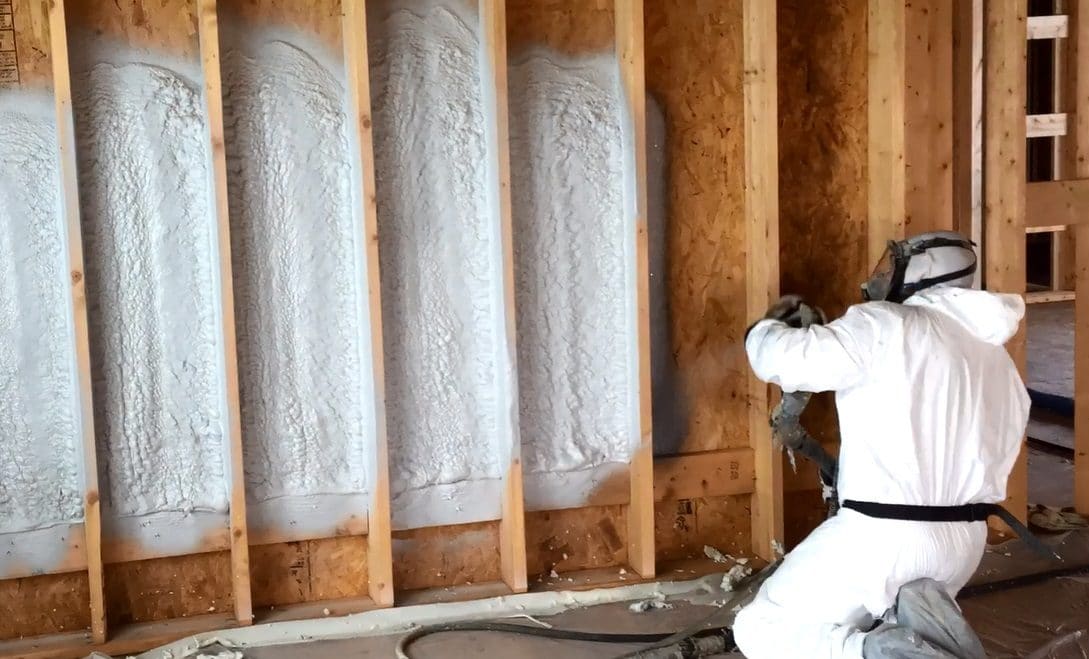
The tangible impact of spray foam insulation goes beyond lower utility bills. Property owners who switch to this material report an immediate, distinct improvement in the physical comfort of their indoor environment. Unlike traditional materials that slow heat transfer but allow air to pass through, spray foam creates a sealed envelope that stabilizes the interior climate against external weather fluctuations.
This stabilization results in a home or commercial space that maintains consistent temperatures from room to room. The draftiness often associated with older fiberglass insulation disappears because the physical gaps in the building structure are filled. For residents in Maryland, where humidity and wind are constant factors, this air-sealing capability transforms the daily experience of living or working inside the property.

Immediate Climate Control Improvements
The most noticeable benefit for occupants is the elimination of temperature variances between different floors or rooms. In many two-story homes, the upper level remains significantly hotter than the ground floor during summer months due to heat rising and poor attic sealing. Spray foam addresses this physics problem directly by sealing the roof deck or attic floor.
When the building envelope is tight, the HVAC system does not have to fight against the constant infiltration of unconditioned air. This means that when the thermostat is set to a specific temperature, the entire structure reaches that level and stays there for an extended period. The system cycles less frequently, creating a quieter and more consistent background environment.
Elimination of Drafts and Cold Spots
Drafts are uncontrolled air leaks that make a room feel colder than the actual air temperature suggests. These leaks often occur around windows, rim joists, and electrical outlets where traditional insulation cannot fit tightly. This sealing effect prevents “wind washing,” which degrades the performance of fibrous insulation. When wind blows through fiberglass, it strips away heat, rendering the R-value nearly useless. By blocking airflow, spray foam maintains effective thermal resistance regardless of how hard the wind blows outside.
Understanding Air Infiltration
Air infiltration refers to the unintended introduction of outside air into a building. In winter, this air is cold and dry; in summer, it is hot and humid. A typical home has enough small leaks to equal leaving a medium-sized window open 24 hours a day.
Closing these leaks changes the pressure dynamics of the house. It prevents the stack effect, in which warm air rises through the top of the house and pulls cold air in from the bottom. This results in warm floors even during the coldest winter mornings.
Consistent Temperature Distribution
Achieving an even temperature throughout a building is difficult with standard construction methods. Corner rooms or spaces above garages often suffer from being too hot or too cold. Spray foam bridges the thermal gaps that cause these inconsistencies.
Occupants typically notice several changes once the project is complete:
- The second floor stays cool in the summer without over-cooling the first floor.
- Floors above crawlspaces or garages no longer feel like ice blocks in winter.
- The air conditioning unit runs for shorter bursts rather than running continuously.
- Humidity levels remain stable, making the air feel cooler at higher temperatures.
Long-Term Financial and Structural Gains
While comfort is the immediate reward, the financial and structural benefits accumulate over the life of the building. The reduction in energy consumption is permanent, often lowering heating and cooling costs by a substantial margin. This is not a temporary dip but a new baseline for the property’s operational costs.
Structurally, certain types of spray foam add rigidity to the building’s framing. Closed-cell foam, in particular, glues the structure together, increasing its resistance to high winds.
Energy Bill Reductions
Data from the Department of Energy suggests that heating and cooling account for nearly half of a typical US home’s energy use. By reducing the load on these systems, property owners see a direct correlation in their monthly expenses. The savings generated often offset the installation costs within 5 to 7 years.
Bonus Tip: HVAC Lifespan
Because the heating and cooling equipment does not have to run as hard or as often, it experiences less wear and tear. This extends the lifespan of expensive units, delaying the need for costly replacements and maintenance calls.

Moisture and Mold Prevention
Moisture is the silent enemy of any building, leading to rot, mold, and structural decay. In humid climates, warm air carries water vapor into wall cavities where it can condense on cool surfaces. Spray foam acts as a barrier, preventing warm air from reaching those cool surfaces.
The following table compares how different insulation types handle moisture and air sealing:
| Feature | Open Cell Foam | Closed Cell Foam | Fiberglass Batts |
|---|---|---|---|
| Air Barrier | Good | Excellent | Poor |
| Vapor Retarder | Semi-Permeable | Class II Retarder | None (requires plastic) |
| Water Resistance | Absorbs if not coated | Rejects bulk water | Absorbs like a sponge |
| Structural Aid | None | Adds Racking Strength | None |
Health and Quiet Living Advantages
A sealed building envelope offers protection from more than just temperature extremes. It serves as a shield against external pollutants, allergens, and noise. The reduction in noise transfer is due to the material’s density and its ability to seal cracks through which sound waves travel. This makes the home’s interior feel solid and private, separated from the chaos of the outside world.
Noise Reduction Capabilities
Sound travels through the air, so an airtight home is naturally quieter. Open-cell spray foam is particularly effective at absorbing sound waves due to its softer, sponge-like texture. It acts as a muffler for the house, dampening sounds from traffic, heavy rain, or neighbors.
Sound Dampening in Open Floor Plans
Modern homes often feature open floor plans and high ceilings, which can create echo chambers. Insulating interior walls and floors between levels helps manage sound travel within the house. This allows for a media room or home office to function without disturbing other occupants.
Indoor Air Quality Enhancement
By stopping air infiltration, property owners also stop the infiltration of dust, pollen, and outdoor pollutants. A sealed attic prevents fiberglass particles and attic dust from being sucked into the living space through recessed lights or hatchways.
The health benefits for occupants include:
- Significant reduction in seasonal allergy triggers entering the home.
- Less dust accumulation on furniture and floors.
- Preventing mold spores from entering from damp crawlspaces.
- Improved effectiveness of indoor air filtration systems.
For families with asthma or severe allergies, the difference is often immediate. The home becomes a controlled zone where the air is filtered through the HVAC system rather than leaking in through dirty wall cavities.
Things to Consider Before Making a Decision
Before choosing spray foam, property owners should evaluate the specific needs of their building type. Existing homes may require removing old, dirty insulation to allow for a proper seal. This adds a step to the process but is necessary for achieving the full benefits of the upgrade.
Ventilation is another key factor. When a home is sealed tightly, mechanical ventilation may be needed to ensure fresh air exchange. This is a standard part of modern building science, ensuring that the air inside remains fresh without sacrificing energy efficiency.
Questions People Ask About Spray Foam
Does spray foam insulation attract pests or termites? Spray foam is not a food source for pests, rodents, or termites. It does not provide nesting material like fiberglass does. However, it does not act as a pesticide, so standard termite inspections are still recommended for any structure.
How long does spray foam insulation last? When applied correctly, spray foam lasts for the life of the building. It does not settle, sag, or degrade over time like cellulose or fiberglass. It remains in place and maintains its R-value indefinitely.
Is it possible to stay in the house during installation? Occupants must leave the premises during the spraying process and for a curing period, usually 24 hours. This ensures safety while the chemical reaction takes place and the foam hardens to its final inert state.
Can spray foam be applied to existing walls without removing drywall? Injecting foam into closed walls is possible, but difficult with expanding spray foam. Typically, injection foam or dense-pack cellulose is used for retrofits where drywall removal is not an option. Spray foam is best for open cavities in attics, crawlspaces, or during renovations.
Will spray foam void my roof warranty? This depends on the shingle manufacturer, but most modern warranties are not voided by spray foam. Sealing the roof deck often keeps the shingles cooler in summer by preventing attic heat buildup, which can extend shingle life.
Final Thoughts
The decision to upgrade to spray foam insulation delivers returns felt every day. From the consistent comfort of a draft-free room to the quiet of a sound-dampened home, the benefits improve the living experience immediately. Combined with long-term savings on energy and equipment, it represents a sound investment in the property’s future.
Connecting With Local Insulation Professionals
For residents and business owners in Easton and the surrounding Maryland areas, Peninsula Insulation provides the expertise needed to maximize these benefits. Their team understands local climate challenges and customizes solutions to ensure every building envelope performs at peak efficiency. They focus on delivering results that improve both the structure’s durability and the occupant’s comfort.
To learn more about how air sealing can transform a property, interested parties can reach out for a consultation.
Email: wil@mdsprayfoam.net Phone: (410) 770-2624
Author: Wil Perkins is the founder of Peninsula Insulation and a long-time resident of Easton, Maryland. With a hands-on approach and nearly five years in the insulation business, Wil leads a team known for professional service and quality work. He’s committed to providing the best Spray Foam Insulation solutions and lasting results for every project.
Reviewer: Emily Martinez has 12 years of experience in spray foam insulation. She reviewed this article and suggested ways to make the content more useful for contractors looking to grow their customer base.