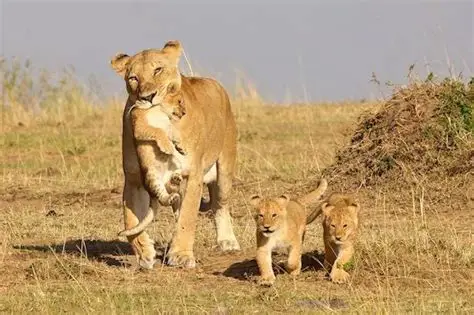
Gir National Park in Gujarat is one of India’s most celebrated wildlife sanctuaries, famous as the only natural habitat of Asiatic lions. Best time to visit Gir National Park is a question often asked by travelers, photographers, and wildlife enthusiasts who want to maximize their safari experience. The park’s diverse seasons—summer, monsoon, and winter—each offer unique perspectives, but timing your trip correctly ensures comfort, better sightings, and unforgettable memories.
Understanding Gir’s Climate
Gir experiences a typical semi-arid climate with three distinct seasons:
- Summer (March to June): Hot and dry, with temperatures soaring up to 45°C.
- Monsoon (July to September): Humid, with moderate to heavy rainfall.
- Winter (October to February): Pleasant and cool, with temperatures between 10°C and 25°C.
Each season influences animal behavior, vegetation, and safari experiences differently.
Winter: October to February – The Ideal Season
- Weather: Cool and pleasant, perfect for outdoor exploration.
- Wildlife Sightings: Lions, leopards, and antelopes are active during the day.
- Birdwatching: Migratory birds flock to Gir, making it a paradise for bird lovers.
- Highlights:
- Jeep safaris are comfortable and rewarding.
- Photography opportunities with clear skies and vibrant landscapes.
- Why Visit: Comfortable climate, abundant wildlife activity, and scenic beauty make winter the best time to visit Gir National Park.
Summer: March to June – The Season of Intense Sightings
- Weather: Hot and dry, with temperatures ranging from 30°C to 45°C.
- Wildlife Behavior: Animals gather near waterholes, increasing chances of sightings.
- Highlights:
- Early morning and late evening safaris are most productive.
- Lions are often spotted resting in shaded areas.
- Challenges: Heat can be exhausting, and midday safaris are less comfortable.
- Why Visit: Despite the heat, summer offers excellent opportunities for close encounters with lions and other wildlife.
Monsoon: July to September – The Resting Season
- Weather: Humid, with lush greenery and heavy rainfall.
- Park Status: Gir National Park remains closed during monsoon for breeding and conservation.
- Highlights:
- Surrounding areas become verdant and scenic.
- Ideal for exploring nearby attractions like Somnath and Junagadh.
- Why Visit: While safaris are unavailable, monsoon is perfect for cultural and scenic tours around Gir.
Month-by-Month Guide
- October–November: Pleasant weather, park reopens after monsoon, great for safaris.
- December–January: Peak winter, ideal for birdwatching and comfortable wildlife tours.
- February–March: Transition season, warm but manageable, good for sightings.
- April–May: Hot, but excellent for spotting lions near water sources.
- June: Very hot, safaris still rewarding but challenging.
- July–September: Park closed, focus shifts to nearby cultural destinations.
Safari Experience by Season
- Winter Safaris: Comfortable rides, active wildlife, and vibrant landscapes.
- Summer Safaris: Intense sightings near waterholes, best for photographers.
- Monsoon Safaris: Not available, but surrounding regions offer cultural immersion.
Best Time for Photographers
- Winter: Clear skies, soft light, and diverse wildlife activity.
- Summer: Dramatic landscapes, intense lion sightings, and unique behavioral shots.
- Birdwatching: Winter months attract migratory species, offering rare photography opportunities.
Travel Tips
- Clothing: Light cottons in summer, warm layers in winter.
- Booking: Reserve safaris and accommodations in advance, especially during winter.
- Gear: Binoculars, cameras, and sunscreen are essential.
- Respect Wildlife: Avoid loud noises, littering, and maintain safe distances.
Nearby Attractions
- Somnath Temple: One of the twelve Jyotirlingas, located near Gir.
- Junagadh: Historical city with forts and museums.
- Girnar Hills: Popular trekking destination with Jain temples.
- Diu Island: Coastal getaway with beaches and Portuguese heritage.
Why Timing Matters
- Comfort: Weather impacts safari enjoyment.
- Sightings: Seasonal animal behavior influences visibility.
- Festivals: Visiting during local festivals adds cultural richness.
- Photography: Lighting and landscapes vary by season, affecting photo quality.
Conclusion
Gir National Park is not just a wildlife destination—it is a living testament to India’s conservation success. From the thrill of spotting Asiatic lions to the serenity of birdwatching, timing your visit is crucial to experiencing the park’s essence. The best time to visit Gir National Park is during the winter months of October to February, when the weather is pleasant, wildlife is active, and safaris are most rewarding. Whether you are a nature lover, a photographer, or a cultural explorer, Gir promises memories that last a lifetime. Truly, it remains one of India’s most captivating destinations, a timeless reminder of harmony between humans and nature.