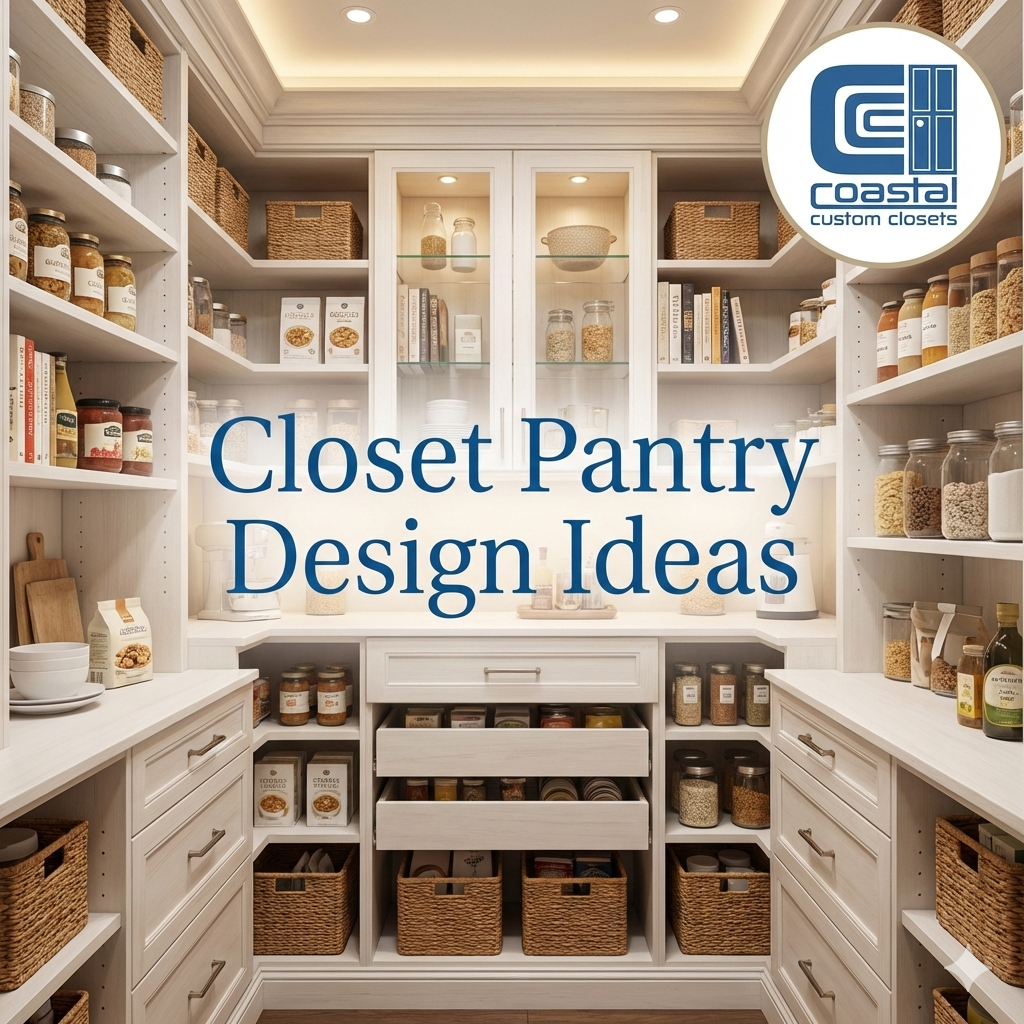
Creative Closet Pantry Design Ideas That Maximize Space and Style
A well-organized pantry transforms how you experience your kitchen daily. Whether you’re dealing with a compact closet space or planning a complete pantry overhaul, the right closet pantry design ideas can revolutionize your storage capacity while enhancing your home’s functionality. Homeowners across North Carolina and throughout the United States are discovering that strategic pantry design isn’t just about shelving—it’s about creating an efficient system that works with your lifestyle.
The modern kitchen pantry has evolved far beyond simple food storage. Today’s closet pantry design ideas incorporate smart organization principles, aesthetic appeal, and practical functionality that makes meal preparation easier and grocery management more efficient. From pull-out drawers to custom shelving configurations, the possibilities for creating your ideal pantry space are virtually limitless.
Understanding Your Pantry Needs Before Designing
Before diving into specific closet pantry design ideas, it’s essential to assess your household’s unique storage requirements. Every family has different shopping habits, cooking frequencies, and dietary preferences that influence pantry organization. Take inventory of your current pantry contents to identify what you store most frequently and which items require special accommodation.
Consider how many people live in your home and whether you prefer bulk shopping or frequent smaller purchases. These factors directly impact the type of storage solutions you’ll need. North Carolina families who entertain regularly might prioritize serving dish storage, while those with young children may need easily accessible snack zones.
Think about your cooking style and how often you prepare meals from scratch versus using convenience items. This assessment helps determine whether you need more space for dry goods, canned items, or specialized cooking ingredients. Understanding these patterns ensures your closet pantry design ideas align with real-world usage rather than aesthetic appeal alone.
Essential Elements of Effective Closet Pantry Design Ideas
Successful pantry design starts with maximizing vertical space through floor-to-ceiling shelving systems. This approach ensures every inch of your closet serves a purpose while keeping items visible and accessible. Deep shelves work well for bulk items and small appliances, while shallow shelving keeps spices and condiments from getting lost in the back.
Adjustable shelving ranks among the most valuable closet pantry design ideas because it adapts to changing needs over time. You might need space for tall cereal boxes this year and prefer shorter shelves for canned goods next year. Quality adjustable systems accommodate these shifts without requiring complete redesigns or renovations.
Proper lighting transforms pantry functionality by eliminating dark corners where items disappear and expire unnoticed. Motion-sensor LED strips provide energy-efficient illumination that activates when you open the door. Good lighting makes inventory management easier and creates a more pleasant experience when searching for ingredients during meal preparation.
Maximizing Small Closet Pantry Spaces
Small pantries demand creative closet pantry design ideas that prioritize efficiency without sacrificing accessibility. Door-mounted organizers add significant storage capacity for spices, snacks, and other lightweight items without consuming valuable shelf space. These systems keep frequently used items within easy reach while freeing up interior shelving for bulkier goods.
Stackable containers and bins create vertical storage within existing shelves, effectively doubling your capacity in tight spaces. Clear containers allow you to see contents at a glance, reducing time spent searching for specific ingredients. This organization method also helps maintain freshness by making older items more visible before they expire.
Corner shelves or lazy Susan turntables make difficult-to-reach spaces functional in small pantries. These rotating systems ensure items stored in back corners remain accessible without requiring awkward reaching or shifting other products. Many homeowners find these solutions particularly valuable for storing oils, vinegars, and other bottles that would otherwise create clutter.
Walk-In Pantry Design Considerations
Walk-in pantries offer expanded opportunities for implementing comprehensive closet pantry design ideas that combine storage with workspace. A central island or counter provides prep space for sorting groceries, assembling lunches, or organizing meal-prep containers. This dedicated work surface keeps kitchen counters clear and creates an efficient zone for food-related tasks.
Consider incorporating appliance garages within your walk-in pantry to house small kitchen gadgets you use regularly but don’t want cluttering countertops. Coffee stations, mixer storage, and bread-making areas work exceptionally well in pantry spaces. This approach keeps specialized equipment accessible while maintaining a cleaner main kitchen appearance.
Temperature and humidity control become important considerations in larger pantry spaces, particularly in North Carolina’s variable climate. Proper ventilation prevents moisture buildup that can spoil dry goods or create mold issues. Some homeowners invest in climate control systems for pantries storing wine, chocolate, or other temperature-sensitive items.
Custom Shelving Solutions for Different Food Categories
Implementing zone-based storage represents one of the most effective closet pantry design ideas for maintaining long-term organization. Designate specific areas for baking supplies, breakfast items, snacks, canned goods, and pasta or grains. This categorization makes restocking groceries faster and helps family members locate items independently without constant questions.
Can organizers and tiered shelving ensure older items rotate to the front, reducing food waste from forgotten purchases. These simple systems make inventory management nearly automatic by keeping expiration dates visible. Dedicated can storage also prevents the frustrating avalanche effect when removing one item from a crowded shelf.
Bulk storage zones accommodate larger packages from warehouse stores without overwhelming other pantry areas. Deep shelves or floor-level bins work well for paper products, bulk grains, or large containers. Separating bulk items from daily-use products maintains accessibility while maximizing the storage capacity larger packages require.
Drawer Systems and Pull-Out Solutions
Pull-out drawers bring closet pantry design ideas into the modern era by eliminating the need to dig through deep shelves. These systems slide forward to reveal contents completely, making back items just as accessible as front ones. Soft-close mechanisms prevent slamming and protect both the drawer system and stored items from damage.
Deep drawers work beautifully for storing potatoes, onions, and other produce that doesn’t require refrigeration. Ventilated drawer systems allow air circulation while keeping items contained and organized. This setup particularly benefits families who purchase fresh produce in larger quantities or prefer to keep certain vegetables at room temperature.
Spice drawer inserts create organized storage for extensive seasoning collections without consuming vertical shelf space. Angled or tiered inserts keep labels visible, making it easy to identify needed spices during cooking. Many cooks find drawer storage preferable to traditional spice racks because it keeps seasonings protected from light and heat.
Incorporating Baskets and Bins Into Your Design
Woven baskets and decorative bins add visual warmth while serving practical purposes in closet pantry design ideas. These containers work exceptionally well for corralling small packets, snack items, or ingredients that might otherwise create visual clutter. Labeled baskets help family members maintain organization systems by providing clear homes for different product categories.
Wire baskets offer visibility while containing items, making them ideal for produce, bread, or snack storage. The open design allows air circulation, which helps extend the life of fresh items. Stackable wire systems create customizable storage configurations that adjust as needs change throughout the year.
Clear acrylic bins provide modern aesthetics while keeping contents visible for easy inventory management. These containers stack neatly and create uniform appearance across shelving systems. Many homeowners appreciate how clear bins make pantries look more cohesive while maintaining the practical benefits of categorized storage.
Pantry Door Organization Strategies
The back of your pantry door offers valuable real estate for implementing space-saving closet pantry design ideas. Over-door organizers with multiple pockets or shelves can hold significant quantities of spices, condiment packets, or snack items. This positioning keeps frequently accessed items within immediate reach while preserving interior shelf space for bulkier goods.
Hanging wire racks attach to doors and provide adjustable shelving for canned goods, bottles, or boxed items. These systems typically support substantial weight when properly installed, making them suitable for heavier pantry staples. The key advantage lies in utilizing otherwise wasted space while keeping items visible and organized.
Magnetic strips mounted on metal doors create clever storage for spice tins or small metal containers. This solution works particularly well in compact pantries where every inch matters. Some creative homeowners use magnetic knife strips to organize scissors, can openers, and other metal kitchen tools alongside spices.
Color-Coding and Labeling Systems
Visual organization through color-coding represents one of the most user-friendly closet pantry design ideas for busy households. Assign colors to different food categories using matching containers, labels, or shelf markers. This system allows family members to identify item locations quickly, even if they didn’t participate in the original organization process.
Clear labels eliminate guessing games about container contents and expiration dates. Label makers create professional-looking tags, while chalkboard labels offer flexibility for contents that change seasonally. Consistent labeling across all containers and bins maintains visual cohesion while supporting practical organization goals.
Inventory management becomes simpler when labels include purchase dates or “use by” guidelines. This information proves particularly valuable for bulk purchases or items with long shelf lives. Some organized homeowners maintain running shopping lists based on labeled inventory minimums, ensuring staples never run out unexpectedly.
Seasonal Storage and Rotation Strategies
Implementing seasonal rotation into your closet pantry design ideas prevents holiday items from consuming valuable space year-round. Designate upper shelves or less accessible areas for special occasion items like holiday baking supplies, seasonal spices, or entertaining pieces. This approach keeps everyday items within comfortable reach while accommodating occasional-use products.
Transitioning between seasons offers natural opportunities to reassess pantry organization and purge expired items. Spring and fall cleaning sessions help maintain system effectiveness by removing products no longer used and reorganizing to reflect current cooking patterns. Regular attention prevents the gradual chaos that develops when organization systems drift from their original structure.
Store seasonal bulk purchases strategically to avoid overwhelming daily-use areas. Summer barbecue supplies, winter baking ingredients, and holiday entertaining essentials each deserve dedicated spaces that don’t interfere with regular grocery items. This separation makes seasonal transitions smoother and keeps the pantry functional throughout the year.
Integrating Appliances and Coffee Stations
Coffee stations within pantries exemplify closet pantry design ideas that combine convenience with decluttering main kitchen spaces. Dedicate a section with electrical outlets for coffee makers, grinders, and electric kettles. Include nearby storage for mugs, filters, coffee beans, and sweeteners to create a complete beverage preparation zone.
Small appliance storage keeps countertops clear while maintaining accessibility for frequently used tools. Mixers, food processors, and blenders fit neatly on sturdy pantry shelves when not in use. This arrangement particularly benefits smaller kitchens where counter space comes at a premium.
Charging stations for kitchen tablets or recipe devices integrate modern technology into traditional pantry spaces. A dedicated shelf with power outlets keeps devices charged and ready for recipe reference during cooking. This integration reflects how contemporary closet pantry design ideas address changing household technology needs.
Wine and Beverage Storage Solutions
Dedicated wine storage transforms standard pantries into sophisticated spaces that accommodate beverage collections appropriately. Horizontal bottle racks maintain cork moisture while utilizing vertical space efficiently. Temperature considerations become important for serious wine collectors, potentially requiring climate-controlled sections within larger pantries.
Beverage stations group sodas, sparkling water, and other drinks in designated areas separate from food items. This organization simplifies restocking after grocery trips and helps manage inventory of frequently consumed beverages. Some families designate lower shelves for beverage storage, making items accessible to all household members.
Bar supply organization keeps cocktail ingredients, mixers, and glassware together for convenient entertaining. This approach works particularly well in walk-in pantries with sufficient space for specialized storage zones. Dedicated bar areas prevent entertaining supplies from scattering throughout kitchen cabinets and pantry shelves.
Child-Friendly Pantry Organization
Implementing accessibility into closet pantry design ideas empowers children to participate in meal preparation and snack selection independently. Lower shelves designated for kid-friendly foods allow children to make choices within parent-approved options. Clear containers and picture labels help pre-readers identify contents without adult assistance.
Snack stations with grab-and-go options encourage healthy choices while reducing constant requests for assistance. Portion-controlled containers or pre-packaged healthy snacks at child height promote independence and teach decision-making skills. This organization strategy proves particularly valuable during busy mornings or after-school hours.
Safety considerations include securing heavy items on lower shelves and keeping potentially hazardous products like cleaning supplies completely out of reach. Childproofing measures might include locks on cabinets containing non-food items or medications. These precautions ensure pantry accessibility doesn’t compromise household safety.
Sustainable and Eco-Friendly Pantry Design
Bulk storage systems reduce packaging waste while supporting environmentally conscious closet pantry design ideas. Large glass or metal containers accommodate bulk purchases of grains, nuts, and dried goods. This approach minimizes single-use plastic while often providing cost savings through reduced per-unit pricing.
Reusable shopping bag storage within pantries encourages consistent use and reduces plastic bag accumulation. Designated hooks or bins near the pantry entrance serve as reminders to grab bags before shopping trips. This simple addition supports sustainable habits while keeping reusable bags organized and accessible.
Composting integration can include small counters or designated bins for compost collection before outdoor transfer. This setup makes sustainable food waste management more convenient, encouraging consistent participation from all household members. Some pantries include separate recycling stations for packaging materials, creating comprehensive sustainability zones.
Pantry Design for Special Dietary Needs
Families managing allergies or dietary restrictions benefit from closet pantry design ideas that clearly separate different food categories. Dedicated shelves or zones for gluten-free, nut-free, or other specialized products prevent cross-contamination and simplify meal planning. Color-coded systems or prominent labels ensure everyone understands which items meet specific dietary requirements.
Medication and supplement storage deserves consideration in comprehensive pantry planning, particularly for families managing chronic conditions requiring dietary supplements. Climate-controlled sections prevent degradation of temperature-sensitive medications. Clear organization systems ensure medications remain visible, preventing dangerous oversights or accidental double-dosing.
Specialized storage for medical nutrition products or meal replacement items helps manage health conditions requiring specific dietary interventions. Dedicated shelving keeps these products separate from regular groceries while maintaining easy access for daily use. This organization proves particularly important for elderly household members or those managing diabetes or other conditions requiring consistent nutrition.
Technology Integration in Modern Pantries
Smart inventory management systems represent cutting-edge closet pantry design ideas for tech-forward households. Barcode scanners and associated apps track pantry contents, automatically generating shopping lists when items run low. These systems reduce food waste by alerting users to approaching expiration dates while simplifying grocery planning.
Tablet mounts or built-in screens in pantries provide recipe access during meal planning and cooking. These integrations allow cooks to reference instructions without cluttering kitchen counters with paper cookbooks or phones. Some systems link to smart home assistants for voice-activated recipe reading during hands-on cooking tasks.
Lighting automation with motion sensors ensures pantries illuminate automatically upon entry, improving visibility and convenience. Smart systems can adjust brightness based on time of day or integrate with whole-home lighting controls. These technological additions enhance functionality while supporting energy efficiency goals.
Budget-Friendly Closet Pantry Design Ideas
Transformative pantry organization doesn’t require extensive budgets when you focus on strategic closet pantry design ideas. Start with thorough decluttering and cleaning, which costs nothing but provides immediate improvement. Removing expired items and reorganizing existing storage often reveals sufficient space without purchasing additional organizational products.
Repurposed containers from other household areas can provide free storage solutions for pantry organization. Glass jars from purchased products work beautifully for dry goods storage after thorough cleaning. Shoe boxes, magazine holders, and other items destined for recycling often serve pantry organization purposes effectively.
Gradual implementation allows budget spreading across multiple months while still achieving comprehensive organization goals. Focus first on most-used areas or biggest problem zones, then expand organization systems as budget allows. This approach prevents overwhelming upfront costs while delivering immediate functional improvements.
Working with Professional Organizers and Designers
Professional consultation brings expertise to closet pantry design ideas, particularly for challenging spaces or extensive renovations. Experienced designers assess your specific needs, space constraints, and budget to recommend optimal solutions. Their knowledge of available products and installation techniques often saves money by preventing trial-and-error purchases.
Custom installations maximize unusual spaces that standard organizational products can’t address effectively. Professional designers create solutions for angled ceilings, awkward corners, or irregular dimensions that would stymie DIY efforts. This customization ensures every inch serves a purpose rather than remaining wasted space.
North Carolina homeowners benefit from working with local professionals who understand regional architectural styles and climate considerations. Local expertise ensures recommendations align with typical home configurations while addressing humidity, temperature, and other environmental factors affecting pantry design. Professional relationships also simplify future modifications or expansions as household needs evolve.
Maintaining Your Organized Pantry Long-Term
Sustainability of closet pantry design ideas depends on establishing maintenance routines that prevent gradual disorder. Weekly quick-checks ensure items return to designated locations and identify products nearing expiration. These brief sessions prevent small organizational lapses from snowballing into complete system breakdowns.
Monthly deep cleaning maintains hygiene while providing opportunities to reassess organization effectiveness. Wipe shelves, check for spills, and verify that storage systems still meet current needs. These regular maintenance sessions allow system adjustments before problems develop.
Family involvement ensures everyone understands and respects organizational systems. Clear communication about where items belong and why organization matters encourages household-wide participation. When everyone contributes to maintenance, systems remain effective long-term rather than degrading into founder-only understanding.
Common Pantry Design Mistakes to Avoid
Overbuying organizational products before assessing actual needs wastes money and often creates additional clutter. Measure spaces carefully and inventory contents before purchasing storage solutions. This preparation ensures products fit appropriately and serve genuine organizational purposes rather than contributing to visual chaos.
Ignoring vertical space represents a missed opportunity in most closet pantry design ideas. Floor-to-ceiling storage maximizes capacity while keeping items visible and accessible. Failing to utilize full height leaves valuable storage potential untapped.
Choosing aesthetics over functionality leads to systems that look beautiful initially but fail to support daily use. Pretty containers that don’t stack efficiently or decorative baskets that hide contents might photograph well but create practical frustrations. Prioritize function while selecting attractive options that also work effectively.
Regional Considerations for North Carolina Pantries
North Carolina’s humidity levels require careful attention in closet pantry design ideas to prevent moisture-related problems. Ventilation becomes crucial for preventing mold growth and protecting dry goods from humidity damage. Some homeowners install small dehumidifiers in pantries or ensure adequate air circulation through strategic vent placement.
Seasonal temperature fluctuations affect pantry storage, particularly in older homes without climate control extending to storage spaces. Insulation improvements help maintain stable temperatures that protect food quality and prevent energy waste. These upgrades prove particularly valuable for pantries located in garages or other semi-conditioned spaces.
Hurricane preparedness influences pantry design for coastal North Carolina residents who need emergency food storage capacity. Dedicated sections for non-perishable emergency supplies ensure readiness without compromising everyday pantry functionality. This dual-purpose design provides peace of mind while maintaining practical daily organization.
Future-Proofing Your Pantry Design
Adaptable systems ensure closet pantry design ideas remain functional as household needs change over time. Adjustable shelving, modular components, and flexible storage solutions accommodate growing families, dietary changes, or shifting cooking habits. This flexibility prevents the need for complete redesigns when circumstances evolve.
Universal design principles create pantries accessible to users of all ages and abilities. Counter heights that accommodate wheelchair users, pull-out shelves that eliminate reaching, and clear pathways benefit everyone. These considerations prove particularly valuable for multigenerational households or aging-in-place planning.
Investment in quality materials and construction ensures pantry systems withstand years of heavy use. Durable shelving, solid drawer systems, and robust hardware justify higher initial costs through longevity and reliability. Quality construction also supports property value by demonstrating thoughtful home improvements to potential buyers.
Conclusion
Implementing effective closet pantry design ideas transforms one of your home’s hardest-working spaces into an organized, efficient, and visually appealing area. Whether you’re working with a compact closet or spacious walk-in pantry, the principles of maximizing vertical space, creating functional zones, and selecting appropriate storage solutions remain constant. The key to success lies in understanding your household’s specific needs and designing systems that support your actual usage patterns rather than following generic templates.
North Carolina homeowners have unique opportunities to create pantry spaces that account for regional climate considerations while incorporating modern organization techniques. From humidity control to hurricane preparedness, thoughtful design addresses local needs while maintaining beautiful aesthetics and practical functionality. Professional consultation can prove invaluable for maximizing challenging spaces or implementing custom solutions that standard products cannot address.
Remember that the best pantry organization systems evolve with your household rather than remaining static. Regular maintenance, seasonal reassessments, and willingness to adjust strategies ensure your investment in closet pantry design ideas delivers long-term value. Start with the fundamentals of decluttering and strategic planning, then build gradually toward your ideal organized pantry that makes daily life easier and more enjoyable.