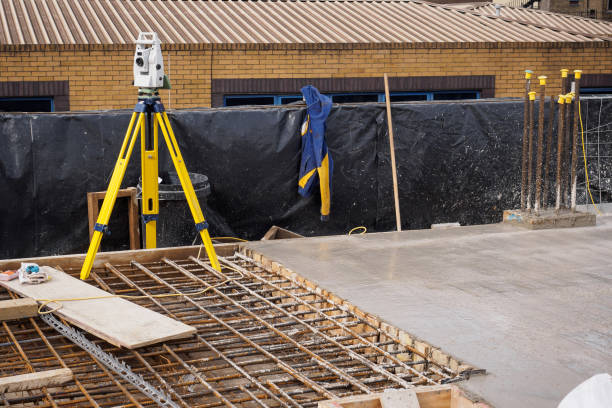
The UK’s mixed soil types, unpredictable weather, period properties, and ongoing property extensions can lead to several foundation problems. If you are a homeowner, you may not notice foundation issues at first, because the signs appear slowly. You may not pay attention to cracks, sloping floors, or a sticking door. However, they often point to deeper foundation problems.
Over time, soil movement, drainage issues, and seasonal changes can weaken the ground that supports your property. This is where underpinning becomes an important solution. It strengthens the base of your home, adds stability, and prevents further structural movement. You need to understand common issues to fix them on time. Let’s do so without further ado.
Clay Soil Shrinkage and Swelling
Clay soil movement is one of the most common foundation problems in Kent. The soil in this region expands when it absorbs water and shrinks during the dry season. This constant change creates stress in your home, leading to cracks in walls, uneven floors, and gaps around window frames. These signs often become more visible during long dry periods when the soil contracts.
Underpinning in Kent helps fix this issue by extending the foundation to a deeper and more stable layer of ground. By reinforcing the base of your property, you reduce movement and distribute weight evenly. It stops further cracking, protects the structural integrity of your home, and keeps it safe even when the clay soil continues to change with the weather in Kent.
Foundation Settlement
Many UK homes experience foundation settlement because of poor drainage around the property. When water collects around the base of your home, it softens the soil and reduces its ability to support the structure. Over time, some areas sink, causing the entire foundation to become uneven. It leads to visible cracks and stuck doors.
Underpinning solves this issue by adding strong and stable support beneath the home. It increases the load-bearing capacity of the soil and prevents further sinking. Once the new underpinning structure is installed, your home becomes level again and resistant to water-related movement. You can combine it with improved drainage to ensure long-term stability.
Tree Root Impact
Tree roots can cause serious foundation issues in many parts of the UK. Large trees absorb moisture from the soil, especially during dry seasons. It reduces the soil volume, causing the ground near your foundation to shrink. Roots can also push against foundations, creating pressure that leads to cracks and unstable flooring.
Underpinning prevents damage by strengthening the affected foundation sections and transferring the load to stable soil layers. Even if tree roots continue to grow, they can no longer disturb the foundation’s balance. The reinforced base handles pressure better and stops the home from shifting.
Subsidence
Older homes across the UK are more likely to suffer from subsidence because their foundations were often built shallower than modern standards. As the ground beneath them shifts or weakens, the house begins to sink unevenly. You may notice cracks, walls pulling away from ceilings, or floors becoming uneven. Without proper attention, subsidence can affect the overall structure of your home.
Underpinning stabilises older homes by strengthening or rebuilding weaker sections of the foundation. It reaches deeper soil layers that are firm and reliable to prevent further sinking. Once the new support is in place, your property becomes structurally sound. Underpinning also helps minimise future movement and extend the lifespan of period properties.
Coastal Soil Erosion
Coastal areas in the UK, such as Southampton, face unique foundation problems linked to soil erosion. Properties near the shoreline or areas with sandy soil are more likely to experience shifting foundations as the ground becomes loose due to coastal winds and moisture. This erosion reduces the soil’s ability to support heavy structures.
Underpinning in Southampton and other coastal areas across the UK is a smart choice to strengthen foundations. It works by providing deeper and more secure support. It stabilises the structure even when the upper soil layers are affected by erosion. By transferring the load to a deep, compact soil layer, underpinning prevents further sinking and protects the property from long-term impact.
Weak Original Foundations
Some UK homes were built with foundations that are not strong enough to handle modern living standards or property extensions. When you add more weight through renovations or additional floors, the original base may not be able to support it. It ultimately results in sinking corners, cracks in walls, or instability in certain parts of the house. If left untreated, the problem becomes worse over time.
Underpinning improves the load-bearing strength of the original foundation. Deepening and reinforcing the base ensures that the foundation can handle extra weight. It strengthens weak foundations and prevents future structural failures.
If you notice any of the aforementioned problems, underpinning is the smartest move to fix them. Make sure you hire reliable experts to handle this job.