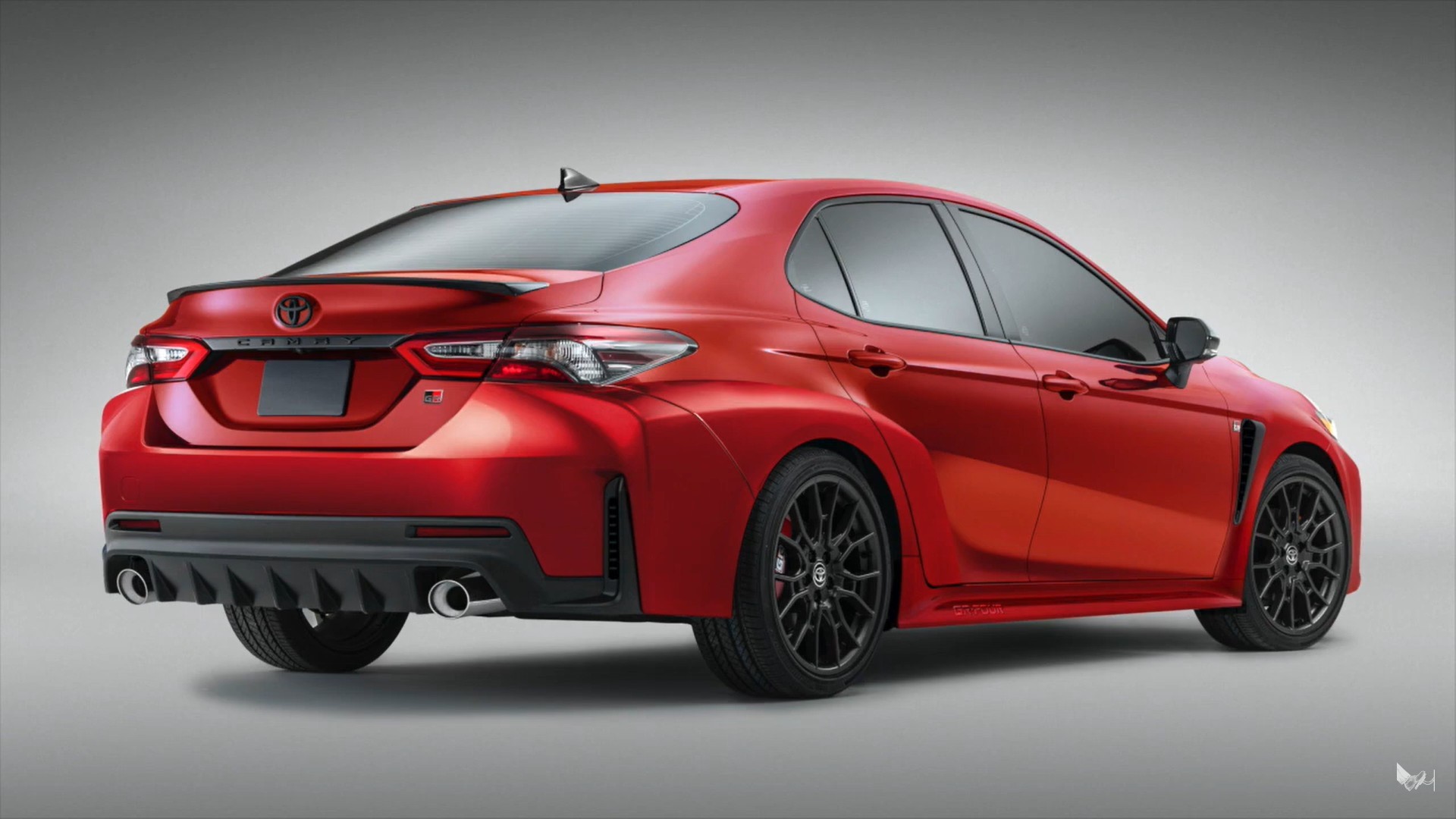
Supercharging a Toyota Camry offers a noticeable increase in horsepower, torque, and overall engine responsiveness. However, the added power also generates significant heat, making proper cooling essential for maintaining engine performance and reliability. A supercharged Camry requires careful attention to its thermal management systems to ensure the engine operates efficiently under higher stress.
When a supercharger compresses air and increases combustion rates, the engine produces more heat than in a naturally aspirated setup. Without adequate cooling, this extra thermal load can lead to overheating, reduced performance, and potential long-term damage to critical engine components. Understanding the most effective cooling solutions helps owners protect their investment and maintain peak performance.
A well-designed Camry supercharged system must address both air and engine temperatures. Intercoolers, upgraded radiators, and high-performance coolant systems play a critical role in managing heat. An intercooler, for instance, reduces the temperature of compressed intake air before it enters the engine, improving combustion efficiency and minimizing the risk of detonation. Upgrading the radiator and installing high-capacity fans ensures consistent cooling even during aggressive driving or high ambient temperatures.
Upgrading Radiators
One of the most common cooling improvements for a supercharged engine is a larger or more efficient radiator. Standard radiators may struggle to dissipate the increased heat generated under boost conditions. Performance radiators made from high-quality aluminum or featuring improved fin designs enhance heat transfer and maintain stable engine temperatures. Regular maintenance, such as flushing and replacing coolant, further supports optimal radiator performance.
Intercooler Efficiency
The intercooler is essential for managing the temperature of the compressed air delivered by the supercharger. Cooler intake air is denser, allowing for more efficient combustion and higher power output. Upgrading to a larger or more efficient intercooler ensures that boost air remains at a safe temperature, reducing the likelihood of pre-ignition or engine knock. Proper installation and regular inspection for leaks or blockages are necessary to maintain maximum cooling efficiency.
High-Performance Fans and Thermostats
Stock cooling fans may not provide sufficient airflow for a supercharged engine. High-performance electric fans can improve airflow through the radiator and intercooler, especially during low-speed driving or stop-and-go traffic. Additionally, upgrading the thermostat to a unit designed for higher-performance applications helps maintain a consistent operating temperature, preventing overheating while allowing the engine to reach its optimal thermal range.
Coolant Quality and Flow
Using high-quality coolant and maintaining proper flow is critical in a supercharged Camry. Specialized coolant formulations resist boiling and corrosion while providing effective heat transfer. Ensuring that hoses, water pumps, and other coolant system components are in good condition prevents leaks and maintains consistent flow, which is essential for managing the additional heat produced by a supercharged engine.
Auxiliary Cooling Systems
For those seeking maximum performance, auxiliary cooling solutions can provide additional protection. Oil coolers, for example, help maintain proper lubrication temperatures, preventing oil breakdown and reducing wear on internal components. In some cases, supplementary water-to-air intercoolers or upgraded heat exchangers can further enhance the cooling capacity, particularly for high-boost or track-focused applications.
Routine Monitoring and Maintenance
Maintaining a supercharged engine requires proactive monitoring of temperature gauges, coolant levels, and overall system performance. Regularly checking for leaks, inspecting hoses, and cleaning radiators and intercoolers helps prevent overheating and ensures consistent thermal management. Preventive maintenance extends the life of the engine and allows the supercharger to operate at peak efficiency without risk of heat-related failures.
Conclusion
Effective cooling is essential for any supercharged Camry, as the additional power increases thermal stress on the engine. Upgraded radiators, efficient intercoolers, high-performance fans, quality coolant, and auxiliary cooling solutions all contribute to maintaining safe operating temperatures. Combined with proactive monitoring and regular maintenance, these strategies ensure that a supercharged Camry remains reliable, powerful, and capable of delivering consistent performance under a variety of driving conditions.