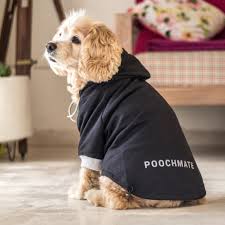
Winter can be a challenging season for dogs, especially small breeds, short-haired dogs, or older pups who are more sensitive to the cold. While your furry friend’s natural coat provides some insulation, it may not be enough to keep them warm and comfortable in harsh weather. That’s where dog winter clothes come in. From winter dog jackets to dog winter sweaters and insulated coats, the right clothing can protect your pet from the elements while keeping them stylish.
In this guide, we’ll share practical tips on choosing the best dog winter clothes, how to ensure the right fit, and ways to keep your dog comfortable and warm throughout the season.
Why Dog Winter Clothes Are Important
Not all dogs need winter clothing, but for many, it’s essential for health and comfort. Dog winter clothes serve several purposes:
-
Protection from cold weather: Thin-coated breeds, small dogs, and elderly dogs lose body heat faster.
-
Weatherproofing: Jackets and coats can shield your dog from rain, snow, and wind.
-
Comfort: Soft and well-fitted clothing helps dogs feel cozy during outdoor walks.
-
Style: Winter clothes can also be fashionable, reflecting your dog’s personality while keeping them functional.
Investing in high-quality dog coats for cold weather ensures your dog stays warm, happy, and active all winter.
Types of Dog Winter Clothes
Different breeds, sizes, and climates require specific types of dog winter clothes. Understanding the options will help you choose the best clothing for your pup.
1. Winter Dog Jackets
Winter dog jackets are designed to provide maximum warmth and protection. Look for jackets that are:
-
Insulated or padded for extra warmth
-
Waterproof or water-resistant to shield from snow and rain
-
Adjustable for a snug but comfortable fit
Jackets with reflective strips are ideal for visibility during early morning or evening walks.
2. Dog Winter Sweaters
Dog winter sweaters are perfect for indoor warmth or light outdoor activity. They’re made from soft materials like wool or fleece and help retain body heat. Sweaters are especially suitable for small dogs, short-haired breeds, and older dogs who need extra warmth without heavy layers.
3. Layered Clothing
Layering can increase warmth without restricting movement. A thin sweater under a winter dog jacket offers insulation while allowing flexibility. Layering also allows you to remove layers indoors to prevent overheating.
4. Raincoats and Windbreakers
Wet weather can make dogs cold and uncomfortable. Waterproof dog winter clothes such as raincoats or windbreakers protect against snow, sleet, and strong winds, keeping your dog dry and warm.
5. Accessories
Boots, scarves, and hats can further enhance warmth and protection. Boots protect paws from icy sidewalks, salt, and snow, while scarves and hats can keep the neck and ears warm. Make sure accessories fit properly and don’t interfere with movement or vision.
How to Ensure Comfort and Fit
Proper fit is critical when selecting dog winter clothes. Here’s how to ensure your pup stays comfortable:
1. Measure Accurately
Measure your dog’s neck, chest, and back length before buying clothing. Online stores often provide sizing charts specific to each brand. Correct measurements prevent chafing and ensure freedom of movement.
2. Choose Soft, Breathable Fabrics
Soft fabrics like cotton, fleece, or insulated blends are ideal. Avoid rough materials that can irritate skin or cause discomfort, especially for dogs with sensitive skin.
3. Avoid Restrictive Clothing
Clothing should allow full mobility. Dogs should be able to run, walk, and play without restriction. Stretchable fabrics, adjustable straps, and well-designed fastenings help achieve the right balance between snugness and comfort.
4. Check Weight and Thickness
Heavy, overly padded clothing can make small dogs uncomfortable or restrict movement. Lightweight insulation combined with layering often works better than a single thick coat.
5. Introduce Clothing Gradually
If your dog isn’t used to wearing clothes, introduce them slowly. Start with short periods and use treats or praise to create a positive association with wearing dog winter clothes.
Tips for Keeping Your Dog Warm in Winter
-
Limit exposure to extreme cold, especially for short-haired or elderly dogs.
-
Keep your dog dry; wet fur increases heat loss and the risk of hypothermia.
-
Check paws for cracks, ice buildup, or salt irritation, and consider dog boots.
-
Remove wet or snowy clothing promptly to prevent skin irritation.
-
Monitor behavior for signs of discomfort, shivering, or reluctance to walk.
Popular Materials for Dog Winter Clothes
-
Fleece: Soft, warm, and lightweight, ideal for sweaters and jackets.
-
Cotton blends: Comfortable and breathable for mild winter days.
-
Insulated nylon or polyester: Durable and water-resistant, perfect for outdoor jackets.
-
Knitted wool: Provides warmth but should be soft to avoid itching or irritation.
Selecting appropriate materials ensures warmth without compromising comfort or skin health.
Conclusion
Dog winter clothes are essential for keeping your pup comfortable, safe, and stylish during cold weather. From winter dog jackets to dog winter sweaters and layered clothing options, there are choices suitable for every breed and climate.