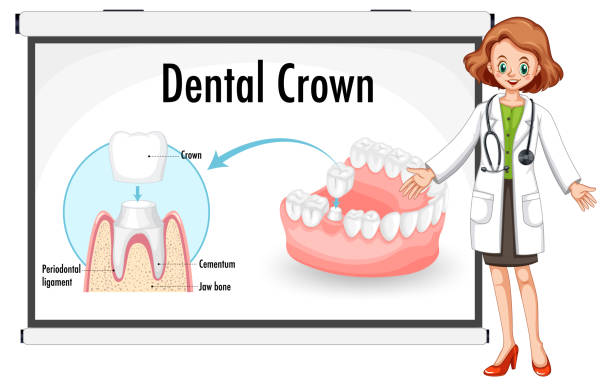
Dental crowns play a vital role in restoring damaged teeth, improving functionality, and enhancing your overall oral health. But like any dental restoration, crowns don’t last forever. Over time, they may wear down, loosen, or become damaged, requiring a timely replacement to maintain your smile’s health and appearance. If you’re considering replacing your crown, understanding the process can help you make the right decision—especially if you’re searching for a dental crown in Plantation that offer reliability and long-term results.
Why Do Dental Crowns Need Replacement?
Most dental crowns last between 10 to 15 years with proper care, but several factors can cause them to fail sooner. Daily wear and tear, grinding teeth, poor oral hygiene, or trauma can weaken the crown. Additionally, the natural tooth underneath can develop decay or gum recession, making a replacement necessary. If you notice pain, sensitivity, cracks, or a loose crown, it’s important to consult a professional promptly.
Common Signs Your Crown Needs Replacement
- Persistent Tooth Pain or Sensitivity: If your crowned tooth becomes sensitive to hot or cold foods, the underlying tooth structure may be exposed or affected.
- Visible Wear or Damage: Chips, cracks, or worn-down surfaces indicate that your crown is no longer protecting your tooth effectively.
- Receding Gums: As gums pull away, the base of the crown may become exposed, making it vulnerable to bacteria and decay.
- Loose or Unstable Crown: Any movement in the crown suggests the cement seal has weakened.
What Happens During a Crown Replacement?
Replacing a dental crown is similar to the process of getting one for the first time. Your dentist will examine the existing crown and take X-rays to assess the tooth underneath. After removing the old crown, they will clean and reshape the natural tooth if needed. Next, impressions or digital scans are taken to create a new, custom-fit crown. A temporary crown protects the tooth until the final one is ready. Once completed, your dentist will bond the new crown securely in place, ensuring a comfortable and natural fit.
If you’re looking for gentle care, consulting a skilled dentist in Plantation ensures your crown replacement is done with precision and comfort.
Tips to Maintain Your New Dental Crown
To extend the life of your new crown, consider these maintenance tips:
- Brush and floss regularly to keep the surrounding gum and tooth areas healthy.
- Avoid chewing hard items like ice, nuts, or pens.
- Wear a night guard if you grind your teeth while sleeping.
- Schedule routine dental check-ups for early detection of issues.
Conclusion
Dental crown replacement is an essential step in maintaining long-term oral health when your existing crown becomes worn or damaged. Understanding the signs of a failing crown and knowing what to expect during the replacement process can help you stay proactive about your dental care. With the right guidance and a trusted dental professional, you can enjoy a renewed, confident smile for years to come. If your crown is due for an upgrade, now is the perfect time to schedule a consultation and protect your oral health.