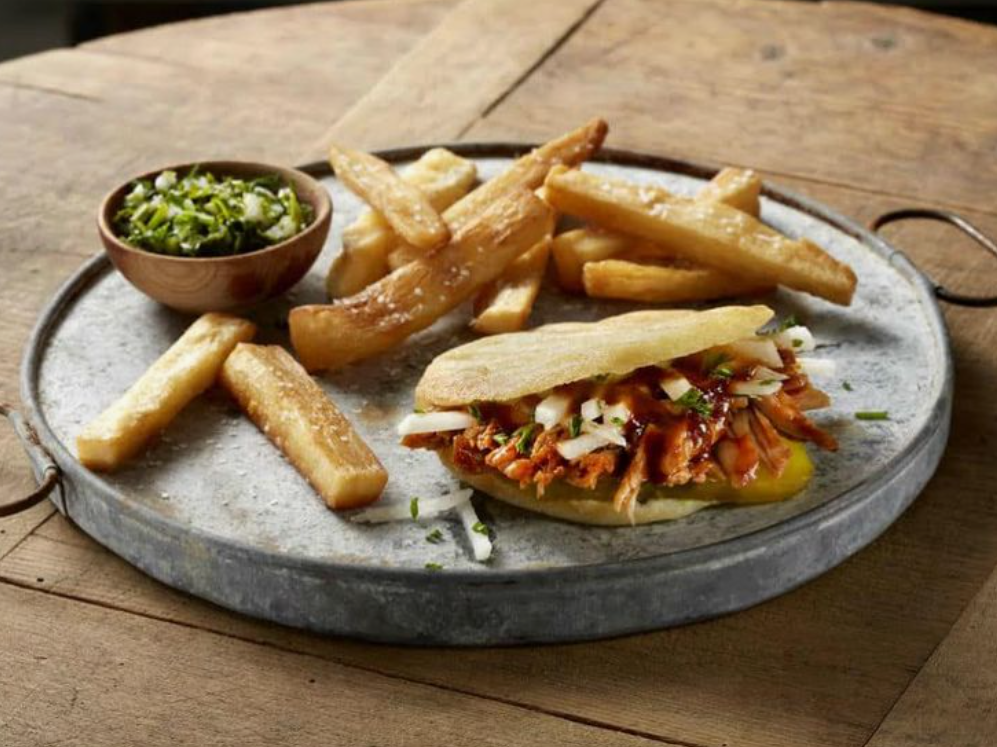
Houston has become a significant destination for authentic Venezuelan cuisine as the city’s Venezuelan population has grown substantially over the past decade. This culinary presence brings traditional recipes, cooking techniques, and ingredients that allow both Venezuelans and curious food enthusiasts to experience genuine Venezuelan flavors.
Venezuelan Culinary Traditions
Venezuelan cuisine emphasizes corn as its foundational ingredient. Precooked corn flour appears in numerous dishes, from breakfast through dinner, creating the base for many traditional foods.
The cooking philosophy focuses on natural ingredients prepared simply. Venezuelan food typically avoids heavy sauces or complicated preparations, instead highlighting quality ingredients with traditional seasoning.
Regional variations exist throughout Venezuela, though certain dishes appear nationwide. Coastal areas emphasize seafood, while inland regions feature more beef and pork preparations.
Family recipes passed through generations maintain culinary traditions. Many Venezuelan restaurants in Houston follow these family formulas, ensuring authenticity that connects diners to Venezuelan heritage.
Essential Venezuelan Dishes
Arepas serve as Venezuela’s most iconic food. These thick corn cakes function as bread, appearing at virtually every Venezuelan meal. They can be eaten plain, topped, or split and filled with various ingredients.
The versatility of arepas means they accommodate breakfast, lunch, dinner, or snacks. Fillings range from simple butter and cheese to elaborate combinations of meats, beans, plantains, and vegetables.
Empanadas made from corn flour provide another staple. These half-moon shaped pockets contain savory fillings like shredded beef, chicken, cheese, or black beans. The crispy exterior contrasts with moist, flavorful interiors.
Pabellón criollo is Venezuela’s national dish. This plate combines shredded beef, black beans, white rice, and fried plantains, creating a balanced meal that showcases multiple cooking techniques.
Venezuelan Breakfast Traditions
Venezuelan breakfasts often feature arepas as the centerpiece. Morning arepas might be filled with scrambled eggs, cheese, avocado, or reina pepiada, a chicken and avocado salad.
Cachapas, sweet corn pancakes, provide another breakfast option. These are made from fresh corn rather than corn flour, creating softer, sweeter cakes typically served with cheese.
Tequeños sometimes appear at breakfast, though they’re more common as snacks. These cheese-filled pastries pair well with coffee or hot chocolate.
Empanadas also work for breakfast, particularly cheese or ground beef versions. Their portability makes them practical morning options.
Venezuelan Snacks & Appetizers
Tequeños rank as Venezuela’s favorite party food. These crispy pastries feature white cheese wrapped in thin dough and fried until golden. Companies like Modo Casa Foods produce frozen tequeños using organic ingredients, making authentic Venezuelan snacks accessible to Houston residents through convenient frozen products.
Tostones, twice-fried plantain slices, appear frequently as snacks or sides. The double-frying creates exceptional crispiness that pairs well with various toppings or dipping sauces.
Mandocas, fried dough rings made from corn flour, plantain, and cheese, offer sweet and savory combinations. These are less common but represent traditional Venezuelan snacking.
Pastelitos, small fried pastries similar to empanadas, provide bite-sized versions of traditional flavors. These work well for parties and gatherings.
Finding Authentic Venezuelan Food
Houston’s Venezuelan restaurants concentrate in areas with larger Venezuelan populations. These establishments range from casual spots to more upscale dining experiences.
Areperas, restaurants specializing in arepas, have opened throughout Houston. These spots offer extensive filling options and authentic preparation methods.
Venezuelan food trucks provide another avenue for authentic food. These mobile vendors often serve traditional items at competitive prices.
Some Houston businesses focus on producing frozen Venezuelan products. Modo Casa Foods creates authentic frozen items like empanadas, tequeños, and arepas that allow home preparation of Venezuelan dishes.
Venezuelan Sauces & Condiments
Guasacaca, an avocado-based sauce, is essential to Venezuelan cuisine. This tangy, creamy condiment includes avocado, cilantro, peppers, vinegar, and oil. It accompanies many dishes, particularly grilled meats and fried foods.
Aji picante, Venezuelan hot sauce, adds heat and flavor. Made from hot peppers, cilantro, and vinegar, this sauce appears on Venezuelan tables as commonly as ketchup does in American households.
Nata, Venezuelan cream, tops many dishes. This slightly sour cream adds richness to soups, arepas, and other items.
Simple lime wedges appear frequently. Squeezing fresh lime over foods is common practice in Venezuelan dining.
Plantains in Venezuelan Cuisine
Plantains appear in Venezuelan meals in multiple forms. Green plantains become tostones or chips, while ripe plantains are fried as tajadas or maduros.
The ripeness determines preparation methods. Green plantains provide starchy, savory bases, while ripe ones offer sweetness that balances savory dishes.
Boiled green plantains sometimes replace potatoes. This preparation is less common in restaurants but appears in home cooking.
Plantain leaves occasionally wrap foods for steaming. This technique, while traditional, is less common in Houston’s Venezuelan restaurants.
Venezuelan Main Courses
Pabellón criollo remains the most recognized Venezuelan plate. The combination of shredded beef, black beans, rice, and plantains provides complete nutrition and balanced flavors.
Asado negro, pot roast cooked with dark sauce, is a special occasion cooking. This dish requires hours of preparation, making it restaurant fare rather than everyday food.
Hallacas appear during the Christmas season. These corn dough pockets filled with stew and wrapped in banana leaves resemble tamales but follow distinctly Venezuelan recipes.
Sancocho, a hearty soup containing various meats and vegetables, serves as comfort food. Different regions make sancocho differently, but all versions provide substantial nourishment.
Venezuelan Beverages
Papelón con limón, lemonade made with raw sugarcane, offers refreshing sweetness. This traditional drink pairs well with rich, savory foods.
Chicha, a sweet rice-based drink, appears frequently. Various versions exist, but all provide creamy, cinnamon-flavored refreshment.
Batidos, fruit shakes made with milk or water, showcase tropical fruits. These thick drinks sometimes serve as meal replacements due to their substantial nature.
Coffee plays a significant role in Venezuelan culture. Strong, sweet coffee appears throughout the day, often served in small cups.
Cooking Techniques
Venezuelan cooking emphasizes slow preparation for many dishes. Shredded beef, for example, requires hours of braising until tender enough to shred easily.
Frying is common for many Venezuelan foods. Proper oil temperature and technique create the crispy textures that define empanadas, tequeños, and tostones.
Griddling appears in arepa and cachapa preparation. This dry cooking method creates crusts before finishing in ovens.
Stewing combines ingredients slowly, allowing flavors to develop. Many Venezuelan main courses use this technique.
Venezuelan Food Culture
Sharing meals holds importance in Venezuelan culture. Large family gatherings often center around elaborate food preparations.
Street food plays a significant role. In Venezuela, vendors sell empanadas, tequeños, and other snacks throughout the day, making authentic food accessible to all economic classes.
Holiday foods carry special significance. Specific dishes appear only during certain celebrations, making them anticipated treats.
The adaptability of Venezuelan cuisine reflects economic realities. Traditional dishes accommodate available ingredients while maintaining recognizable flavors.
Houston’s Venezuelan Community
Houston’s Venezuelan community has grown substantially, creating demand for authentic food products and restaurants. This growth has encouraged Venezuelan entrepreneurs to establish food businesses.
Community events often feature Venezuelan food. These gatherings strengthen cultural bonds while introducing Houston’s broader population to Venezuelan cuisine.
Social media connects Houston’s Venezuelan community, spreading information about new restaurants, food trucks, and product sources.
The community supports businesses that maintain authentic recipes and quality standards. Word-of-mouth recommendations within the community guide others toward the best sources.
Dietary Accommodations
Many Venezuelan dishes are naturally gluten-free due to corn flour bases. Arepas, empanadas, and other corn-based foods accommodate wheat sensitivities.
Vegetarian options exist, though Venezuelan cuisine traditionally emphasizes meat. Bean and cheese fillings provide protein without meat.
Preparation methods can be adapted for health. Baking or air frying instead of deep frying reduces fat content while maintaining acceptable results.
Organic ingredient sources appeal to health-conscious consumers. Some Houston producers emphasize natural, preservative-free preparation methods.
The Growing Popularity
Non-Venezuelan Houstonians increasingly discover Venezuelan cuisine. The accessible flavors and interesting textures attract different audiences.
Food festivals and cultural events introduce Venezuelan food to wider audiences. These experiences often convert attendees into regular consumers.
Social media exposure through food bloggers increases awareness. Visual appeal makes Venezuelan food popular content subjects.
Mainstream restaurant inclusion indicates acceptance beyond Venezuelan communities. Some non-Venezuelan establishments now feature Venezuelan items.
Authentic venezuelan cuisine Houston scene continues developing as both the Venezuelan community and broader interest grow. The combination of traditional restaurants, innovative food trucks, and quality frozen products ensures access to genuine Venezuelan flavors throughout the city.