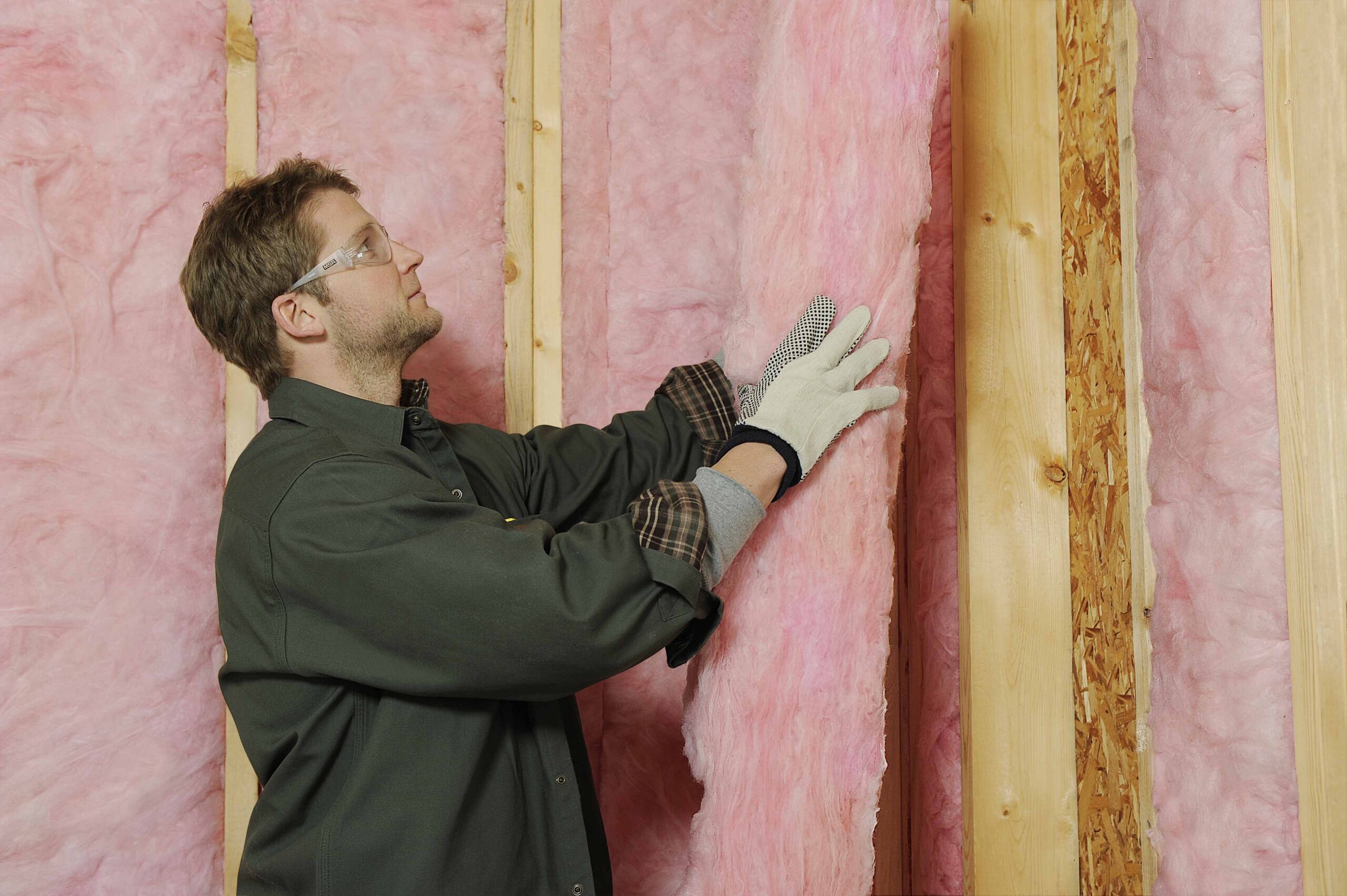
Fiberglass insulation serves as the primary thermal barrier in residential construction, using spun glass fibers to create millions of tiny air pockets that slow the transfer of heat. By establishing a consistent thermal barrier, this material prevents outdoor temperature fluctuations from affecting the interior climate, ensuring that living spaces remain warm in winter and cool in summer. Its widespread adoption stems from its reliable performance and cost-effectiveness, making it a fundamental element of modern building comfort.
This article examines the technical capabilities of fiberglass insulation contractor, including its thermal resistance and acoustic benefits. It provides homeowners and builders with the necessary information to evaluate how this material contributes to energy efficiency and structural safety.
Industry data indicates that fiberglass remains the most installed insulation product in North America, present in approximately 90 percent of homes. Building scientists attribute this dominance to its predictable R-value and ability to fit into standard framing assemblies. The following sections analyze how proper application maximizes these benefits for long-term habitability.

The Mechanics of Thermal Control
Fiberglass insulation operates on the principle of thermal resistance. The material itself does not generate heat; rather, it inhibits the movement of conductive heat flow through walls, ceilings, and floors. The glass fibers are spun into a wool-like consistency that traps static air, which is a poor conductor of heat. This trapped air acts as an insulator, while the glass fibers provide the structure to hold it in place.
In climates with distinct seasonal changes, this resistance is vital for stabilizing indoor temperatures. Without this barrier, heat naturally migrates from warm areas to cold areas, escaping the home in winter and infiltrating the house in summer. Fiberglass interrupts this process, reducing the workload on HVAC systems.
Understanding R-Value Ratings
The effectiveness of fiberglass is measured by its R-value, which indicates its resistance to heat flow. A higher number signifies greater insulating power. The thickness and density of the fiberglass batts or blown-in material determine this rating.
- Standard Batts: Typically range from R-11 to R-38, depending on thickness and wall depth.
- High-Density Batts: Offer higher R-values for shallow wall cavities, such as R-15 in a 2×4 wall.
- Blown-In Fiberglass: R-value depends on installed depth and density, enabling customizable thermal resistance in attics.
The Role of Installation Precision
The performance of fiberglass relies heavily on the quality of the installation. Compression of the material eliminates the air pockets required for resistance, significantly lowering the effective R-value. Installers must cut batts precisely to fit around electrical boxes and wires without crushing the fibers.
Bonus Tip: Check for Gaps
Even small gaps can compromise the thermal envelope. Experts recommend inspecting the edges of the insulation where it meets the studs. If the material does not touch the wood, air channels form, allowing heat to bypass the insulation entirely.

Comparison of Insulation Materials
Homeowners often weigh fiberglass against other common materials, such as cellulose or spray foam. Understanding the physical properties of each helps in selecting the right product for specific applications, such as attics versus crawl spaces.
The table below outlines the key differences in performance and application for residential buildings.
| Feature | Fiberglass (Batts/Blown) | Cellulose (Blown-in) | Open-Cell Spray Foam |
|---|---|---|---|
| R-Value per Inch | 2.2 – 4.3 | 3.2 – 3.8 | 3.5 – 3.8 |
| Moisture Resistance | Non-absorbent (but permeable) | Hygroscopic (absorbs/releases) | Permeable |
| Fire Safety | Non-combustible | Treated with retardants | Fire resistant (needs barrier) |
| Settling | Minimal (Batts do not settle) | Settles up to 20% | No settling |
| Air Sealing | Poor (Air passes through) | Moderate (Dense pack) | Excellent (Air barrier) |
| Installation Cost | Low to Moderate | Moderate | High |
Beyond Heat: Acoustic and Fire Safety
While thermal regulation is the primary function, fiberglass also contributes significantly to a home’s safety and quietness. The material’s porous nature makes it an excellent sound absorber. Sound waves traveling through the air become trapped in the glass-fiber matrix, dissipating their energy and reducing noise transmission between rooms.
Furthermore, because the core material is glass, it is naturally non-combustible. It does not require additional fire-retardant chemicals to resist burning. In the event of a structural fire, fiberglass insulation acts as a passive fire barrier, helping to slow the spread of flames within wall cavities.
Things to Consider Before Making a Decision
Selecting fiberglass requires an evaluation of the building’s specific environment and construction style. While versatile, it is not a “one size fits all” solution for every scenario, particularly in areas prone to high moisture or intricate framing.
Addressing Moisture and Airflow
Fiberglass is air-permeable, meaning it allows air and moisture to pass through it. In regions like the Pacific Northwest, where humidity is a constant factor, this permeability must be managed with a separate air barrier or vapor retarder. Without this addition, moisture can move through the insulation and condense on cold exterior sheathing, potentially leading to mold growth.
- Vapor Retarders: Kraft-faced batts include a built-in vapor retarder that should face the warm side of the wall.
- Air Sealing: Before installing fiberglass, all cracks and penetrations in the wall cavity should be sealed with caulk or foam.
- Protective Gear: The tiny glass fibers can irritate skin and lungs, requiring installers to wear respirators and protective clothing.
Regional Humidity Factors
In coastal areas like Florence, Oregon, wind-driven rain and fog create high moisture loads. Builders must ensure exterior siding and house wrap are installed correctly to prevent water intrusion, as wet fiberglass loses its insulating properties until it dries completely.
Questions People Ask About Fiberglass Insulation
Homeowners frequently ask about the longevity and safety of fiberglass products. These answers address common concerns regarding the material’s performance over time.
Is fiberglass insulation dangerous to breathe?
Modern fiberglass is safe when undisturbed behind drywall. During installation, fibers can become airborne and irritate the respiratory system, which is why professionals wear N95 masks. Once sealed in the wall, it poses no health risk to occupants.
Does fiberglass insulation settle over time?
Fiberglass batts do not settle if properly secured. Loose-fill fiberglass blown into attics may settle slightly, but significantly less than cellulose. Most manufacturers guarantee the R-value stability for the life of the home.
Can fiberglass be used in a basement?
Yes, but it requires careful moisture management. Because basements are prone to dampness, fiberglass should only be used if the foundation walls are sealed and dry. Many experts prefer rigid foam or closed-cell spray foam for below-grade applications to avoid mold risk.
How long does fiberglass insulation last?
When kept dry and protected from pests, fiberglass insulation lasts for the lifespan of the building, typically exceeding 100 years. It does not naturally decay or decompose.
Is it better to use faced or unfaced batts?
Faced batts (with paper backing) are used in exterior walls to provide a vapor retarder. Unfaced batts are typically utilized for soundproofing interior walls or adding to existing insulation in attics where a vapor barrier is already present.
Summary of Building Comfort
Fiberglass insulation remains a cornerstone of residential construction due to its reliability, fire resistance, and acoustic properties. By effectively slowing heat transfer, it allows heating and cooling systems to operate efficiently, resulting in stable indoor temperatures and reduced energy costs.
For property owners, ensuring that this material is installed with precision, free from gaps and compression, is the key to unlocking its full potential. When paired with proper air sealing and moisture management, fiberglass provides a durable and effective solution for modern living standards.
Professional Insulation Assessment
All Foam & Insulation, LLC offers comprehensive evaluation services for homeowners seeking to improve their building’s energy performance. They assist in determining the most effective insulation strategy, whether involving fiberglass or advanced foam alternatives, tailored to the specific climate of the Oregon coast. To discuss upgrade options or schedule a site visit, residents can contact them at (541) 826-9600 or send an inquiry to joe@allphasewx.com.
Reviewer: Lily Johnson offered her feedback after reviewing this post. With 8 years in the spray foam insulation field, her suggestions focused on improving outreach to homeowners seeking high-quality insulation solutions.