In recent decades, scientific interest in nutrition and molecular biology has expanded beyond basic macronutrients toward compounds that exert targeted physiological effects. Among these, bioactive peptides have emerged as powerful regulators of health and disease. Derived primarily from dietary Proteins Peptides, these short chains of amino acids were once considered merely intermediate products of digestion. Today, they are recognized as functional components capable of influencing multiple biological systems.
Bioactive peptides are encrypted within food proteins and become active after enzymatic hydrolysis during digestion, food processing, or fermentation. Once released, they can interact with receptors, enzymes, and cellular pathways in the human body. Their functional roles span cardiovascular protection, immune modulation, metabolic regulation, antioxidant defense, and even neurological health. This article explores the diverse functional roles of bioactive peptides in human health, highlighting their mechanisms of action, sources, and potential applications.
Understanding Bioactive Peptides
What Are Bioactive Peptides?
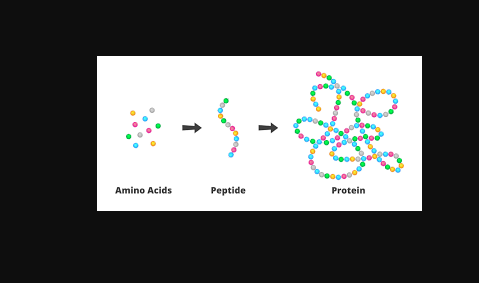
Bioactive peptides are specific protein fragments, usually consisting of 2 to 20 amino acids, that exert a physiological effect beyond basic nutrition. Unlike intact proteins, these peptides have targeted biological activities. Their functionality depends on amino acid composition, sequence, and structure, which determine their interaction with biological systems.
These peptides are mainly derived from Proteins Peptides found in foods such as milk, eggs, meat, fish, legumes, and cereals. They can also be synthesized endogenously or produced through microbial fermentation.
Release and Activation in the Human Body
Bioactive peptides are not always active in their native protein form. They are released through:
- Gastrointestinal digestion by enzymes like pepsin and trypsin
- Food processing techniques such as fermentation, heating, or enzymatic treatment
- Biotechnological processes used in nutraceutical development
Once released, peptides can be absorbed through the intestinal wall and transported to target tissues, where they exert their biological effects.
Cardiovascular Health Benefits
Blood Pressure Regulation
One of the most extensively studied functions of bioactive peptides is their role in cardiovascular health. Certain peptides act as natural inhibitors of angiotensin-converting enzyme (ACE), which is responsible for regulating blood pressure. By inhibiting ACE activity, these peptides help relax blood vessels, reduce vascular resistance, and lower blood pressure.
Milk-derived peptides, especially from casein and whey Proteins Peptides, are well-known for their antihypertensive properties. Regular consumption of peptide-rich functional foods may contribute to long-term cardiovascular health.
Cholesterol and Lipid Metabolism
Bioactive peptides can influence lipid metabolism by reducing cholesterol absorption and improving lipid profiles. Some peptides bind bile acids, increasing their excretion and forcing the body to use cholesterol to synthesize new bile acids. This mechanism contributes to reduced levels of LDL cholesterol, a major risk factor for heart disease.
Antioxidant and Anti-Inflammatory Effects
Combating Oxidative Stress
Oxidative stress results from an imbalance between free radicals and antioxidant defenses, contributing to aging and chronic diseases. Bioactive peptides can act as antioxidants by scavenging free radicals, chelating metal ions, and enhancing endogenous antioxidant enzymes.
Peptides derived from marine and plant Proteins Peptides have demonstrated strong antioxidant activity. These properties help protect cells from oxidative damage, supporting overall cellular health.
Modulation of Inflammation
Chronic inflammation is a key underlying factor in many non-communicable diseases, including diabetes, cardiovascular disease, and autoimmune disorders. Certain bioactive peptides can regulate inflammatory pathways by inhibiting pro-inflammatory cytokines and promoting anti-inflammatory mediators.
By modulating immune cell activity, these peptides help maintain immune balance and prevent excessive inflammatory responses.
Immune System Support
Enhancing Immune Defense
Bioactive peptides play a significant role in supporting immune function. Some peptides stimulate the production and activity of immune cells such as macrophages, lymphocytes, and natural killer cells. Others exhibit antimicrobial properties, helping the body defend against pathogens.
Peptides derived from Proteins Peptides in dairy and plant sources have been shown to enhance mucosal immunity, particularly in the gastrointestinal tract, which is a critical barrier against infections.
Antimicrobial Activity
Certain bioactive peptides act as natural antibiotics. They can disrupt bacterial cell membranes, inhibit microbial growth, and prevent pathogen colonization. This antimicrobial function is especially important in maintaining gut microbiota balance and preventing infections without contributing to antibiotic resistance.
Metabolic Health and Weight Management
Regulation of Glucose Metabolism
Bioactive peptides have demonstrated potential in improving glucose homeostasis. Some peptides enhance insulin sensitivity, while others inhibit enzymes involved in carbohydrate digestion, leading to slower glucose absorption and reduced postprandial blood sugar spikes.
These effects are particularly beneficial for individuals at risk of metabolic disorders. Dietary Proteins Peptides that release antidiabetic peptides may support long-term metabolic health.
Appetite Control and Energy Balance
Certain peptides influence satiety hormones such as ghrelin and cholecystokinin, helping regulate appetite and food intake. By promoting feelings of fullness, bioactive peptides can assist in weight management and obesity prevention.
Gut Health and Digestive Function
Supporting Gut Barrier Integrity
The gastrointestinal tract plays a central role in nutrient absorption and immune defense. Bioactive peptides can strengthen the gut barrier by enhancing tight junction proteins and promoting mucosal integrity. This reduces intestinal permeability and lowers the risk of inflammatory conditions.
Modulating Gut Microbiota
Bioactive peptides also influence the composition and activity of gut microbiota. Some peptides act as prebiotic-like compounds, promoting the growth of beneficial bacteria. A healthy microbiome is essential for digestion, immune regulation, and even mental health.
Neurological and Mental Health Effects
Neuroprotective Properties
Emerging research suggests that certain bioactive peptides can cross the blood–brain barrier and exert neuroprotective effects. These peptides may reduce oxidative stress and inflammation in neural tissues, supporting cognitive function and brain health.
Mood and Stress Regulation
Some peptides derived from Proteins Peptides influence neurotransmitter activity, including serotonin and gamma-aminobutyric acid (GABA). By modulating these pathways, bioactive peptides may help reduce stress, improve mood, and support sleep quality.
Role in Muscle Health and Aging
Muscle Protein Synthesis
Bioactive peptides contribute to muscle maintenance by stimulating muscle protein synthesis and reducing muscle breakdown. This is particularly important for aging populations, as muscle loss is a major contributor to frailty and reduced quality of life.
Peptides derived from high-quality Proteins Peptides can enhance muscle recovery and performance, making them valuable for both older adults and physically active individuals.
Anti-Aging Potential
Through their antioxidant, anti-inflammatory, and metabolic effects, bioactive peptides may help slow age-related physiological decline. By protecting cells and supporting tissue regeneration, they contribute to healthy aging and longevity.
Applications in Functional Foods and Nutrition
Functional Foods and Nutraceuticals
The growing understanding of bioactive peptides has fueled their incorporation into functional foods and nutraceutical products. These products are designed to deliver specific health benefits beyond basic nutrition.
Examples include peptide-enriched dairy products, protein hydrolysates, and supplements derived from Proteins Peptides with targeted health claims.
Personalized Nutrition
As research advances, bioactive peptides may play a role in personalized nutrition strategies. Individual genetic and metabolic differences can influence peptide absorption and efficacy, opening the door to customized dietary interventions.
Safety and Future Perspectives
Safety and Bioavailability
Bioactive peptides derived from food proteins are generally considered safe. However, their bioavailability depends on digestion, absorption, and metabolism. Ongoing research aims to optimize delivery systems to enhance peptide stability and effectiveness.
Future Research Directions
The future of bioactive peptide research lies in deeper understanding of structure–function relationships, clinical validation of health benefits, and sustainable production methods. Advances in biotechnology and food science will likely expand the applications of Proteins Peptides in preventive and therapeutic nutrition.
Conclusion
Bioactive peptides represent a powerful link between nutrition and health at the molecular level. Far from being simple digestion byproducts, these compounds derived from Proteins Peptides play diverse functional roles in cardiovascular health, immune regulation, metabolic balance, gut integrity, neurological function, and healthy aging.
As scientific evidence continues to grow, bioactive peptides are poised to become integral components of functional foods, nutraceuticals, and personalized nutrition strategies. Understanding and harnessing their potential offers a promising pathway toward improved health, disease prevention, and enhanced quality of life through everyday dietary choices.