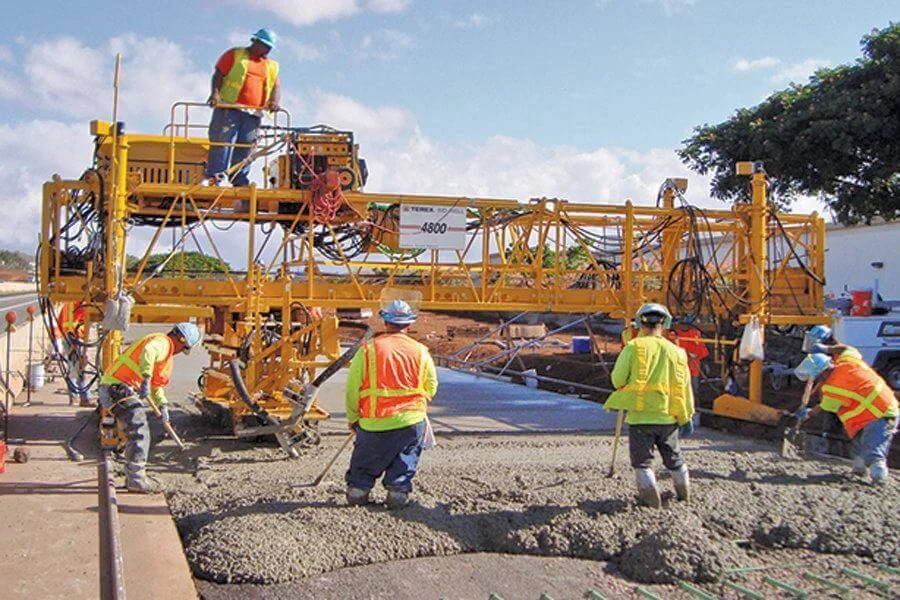
Bidwell paving machine works like a moving frame system that levels, compacts, and shapes concrete across bridges and highways. Operators adjust truss length for project width. Vibrator placement affects compaction strength. Roller tubes smooth the surface. Not every model fits every project because site access or bridge edge protection changes equipment requirements.
Tools that attach or swap fast
Sometimes a Bidwell paving machine gets extra attachments like fogging systems, crown adjustment kits, or work bridges. These additions help manage evaporation, shape slopes, and carry finishing crews. Too many accessories make transport harder. Keeping a chart of attachments and their average setup time is useful during planning because delays typically occur around alignment checks.
Power sources and drive types vary widely
Hydraulic drive offers smoother control on uneven ground. Electric drive feels cleaner and more efficient in some setups. When selecting a Bidwell paving machine, note fuel sources, maintenance intervals, and component life. A weak pump slows travel speed and causes inconsistent finishing patterns. Operators track wear on sprockets, chains, and rollers.
Concrete consistency makes or breaks results
Moisture content determines how well a Bidwell concrete paver performs. Slump needs monitoring with a simple cone test. Overly wet mixes cause ripples. Dry mixes tear or crack. Surface temperature and wind affect drying speed. Paver crews often keep sprayers nearby to prevent premature curing in sun-exposed or airflow-exposed zones.
Operator training shapes performance
Skills matter. A Bidwell concrete paver responds to adjustments very quickly. Inconsistent control causes wavy surfaces. Novice operators react more slowly when concrete shifts under the roller tubes. Manuals explain calibration steps for sensors and grade controls. Experience helps identify friction spots on rails or trusses where lubrication reduces drag.
Maintenance needs time and short shutdowns
Maintenance applies greasing bearings, tightening fasteners, and inspecting leveling arms for warping. On a Bidwell paving machine, roller tube replacement happens when edges chip or pattern marks appear. Cleaning concrete residue must happen before it hardens because dried material causes alignment issues. Storage requires moisture control.
Bridgework, slabs, and parking lots
A Bidwell concrete paver adapts to jobs like sidewalks, airport pads, and multi-lane roads. Crown control helps form slopes for water drainage. Screed vibration levels affect compaction. Laser guidance improves straight lines. Site slope data matters. Weather forecasts matter. Concrete supply distance matters because timing influences finishing strength.
Buying new or used units
Second-hand fleets are common. Before purchase, measure frame straightness. Ask for pump pressure tests and roller tube wear readings. A Bidwell paving machine that drifts during travel indicates sensor or chain issues. Always match machine width to the average job size to reduce adjustment time.
Conclusion
Concrete finishing equipment requires planning, realistic expectations, and knowledge of site limitations. When researching on cricketmachinery.com, check technical sheets and compare drive systems carefully. Evaluate slump tolerance, roller tube specifications, and attachment compatibility before selecting a machine. Look at maintenance history, crew skill level, and on-site logistics because everything impacts consistency across the slab. Reach out for detailed equipment guidance, availability updates, and structured procurement support.
Source UrL:-https://sites.google.com/view/cricketmachinery568/home