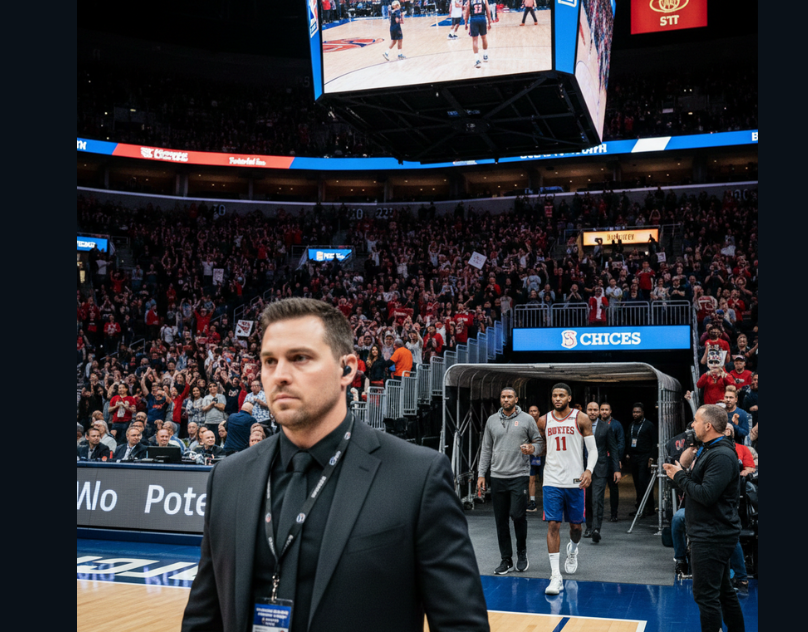
High-profile sports events in New York City attract thousands of spectators, celebrities, and VIPs, creating unique security challenges that demand specialized protection strategies. Executive protection New York City teams work tirelessly behind the scenes to ensure athletes, team owners, sponsors, and distinguished guests remain safe from potential threats ranging from overzealous fans to coordinated security breaches. Understanding how executive protection security operates at major sporting venues helps organizations and individuals make informed decisions about safeguarding their most valuable assets during these high-stakes gatherings.
What Makes Sports Events a Unique Security Challenge?
Sports venues present a complex security environment unlike typical corporate or residential protection scenarios. The sheer volume of attendees, combined with unpredictable crowd dynamics and multiple entry points, creates vulnerabilities that require specialized expertise.
Major stadiums like Madison Square Garden and Yankee Stadium host events where emotions run high, alcohol flows freely, and the potential for crowd-related incidents increases dramatically. Close protection specialists must navigate these environments while maintaining low profiles and ensuring their principals can enjoy the event without disruption.
The open nature of sporting venues also means traditional perimeter security becomes more challenging. Unlike controlled corporate environments, sports facilities have numerous public access points, VIP areas, locker rooms, and tunnels that require constant monitoring and dynamic risk assessment.
How Do Protection Teams Conduct Pre-Event Threat Assessments?
Professional protection specialists begin their work days or weeks before the actual event. Comprehensive threat assessments involve analyzing everything from recent social media activity targeting the principal to potential protest movements and known individuals who may pose risks.
Advanced teams coordinate with venue security, local law enforcement, and private intelligence networks to build a complete picture of potential vulnerabilities. They identify escape routes, secure holding areas, and establish communication protocols with all relevant security stakeholders.
Executive protection security professionals also evaluate the specific nature of the sporting event itself. A championship game draws different crowds and presents different risk profiles compared to a regular season match, requiring tailored security approaches for each scenario.
What Are the Core Protection Strategies During Sports Events?
Layered Security Approach
Effective protection at sports venues relies on multiple security layers working in harmony:
- Outer perimeter surveillance monitoring approaches to the venue and identifying potential threats before they reach the facility.
- Controlled access points where credentialed personnel verify identities and screen for prohibited items.
- Inner circle protection provides immediate physical security for the principal throughout their venue experience.
- Emergency response teams are positioned strategically to handle medical emergencies, security breaches, or evacuation scenarios.
Advance Team Coordination
Before the principal arrives, advance teams secure the route from transportation to the seating area, coordinate with venue staff to prepare VIP suites or luxury boxes, and establish secure communication channels among all protection personnel.
These specialists also identify potential chokepoints where crowds might converge, creating opportunities for unwanted interactions or physical security risks. By mapping out every movement in advance, teams minimize exposure and maintain control over the protection environment.
Why Is Discretion Critical in Sports Event Protection?
Unlike bodyguards portrayed in movies, professional close protection specialists prioritize blending into the environment rather than drawing attention. At sports events, overtly aggressive security can actually increase risks by signaling the presence of a high-value target and creating public relations challenges.
Skilled agents dress appropriately for the venue, understand sports culture and etiquette, and use subtle positioning rather than obvious barriers to maintain protective distances. This approach allows principals to enjoy authentic experiences while remaining protected from genuine threats.
The discretion extends to threat intervention as well. When situations arise, trained professionals de-escalate quietly and remove principals from danger without creating spectacles that might damage reputations or compromise future security efforts.
How Does Technology Enhance Protection at Modern Venues?
Contemporary executive protection New York City teams leverage advanced technology to amplify their effectiveness. Real-time communication systems allow instant coordination across dispersed team members, while mobile threat monitoring applications provide updates on emerging risks during the event.
Some protection details utilize discreet surveillance equipment to monitor approaches and identify potential threats before they materialize. GPS tracking ensures principals and protection teams remain coordinated even in massive stadium complexes with limited visibility.
Venue-specific technologies also play crucial roles. Modern sports facilities employ sophisticated camera systems, access control technologies, and emergency notification platforms that protection teams integrate into their overall security architecture for comprehensive situational awareness.
What Training Do Sports Event Protection Specialists Require?
Professionals providing security at high-profile sporting events typically possess backgrounds in law enforcement, military special operations, or dedicated protection training programs. Their expertise extends beyond physical security to include crowd psychology, emergency medical response, and crisis management.
Understanding the specific dynamics of sports crowds requires specialized knowledge. Agents must recognize the difference between enthusiastic fans and genuine threats, manage situations involving intoxicated individuals, and respond appropriately to sudden crowd movements or disturbances.
Continuous training keeps teams updated on evolving threats, new security technologies, and lessons learned from incidents at venues worldwide. The most effective protection specialists treat professional development as an ongoing requirement rather than a one-time achievement.
How Does Executive Protection Differ for Athletes Versus Other VIPs?
Athletes face unique security considerations compared to corporate executives or entertainers attending sports events. Professional players often have rabid fan bases that create both adulation and potential stalking risks, requiring protection strategies that account for these intense parasocial relationships.
Team owners, sponsors, and celebrity attendees typically require more traditional VIP protection focused on privacy, dignified movement through venues, and shielding from unwanted media attention. Their security needs may emphasize discretion and convenience over threat mitigation from obsessive fans.
Each principal’s specific profile, public visibility, and known threat landscape determine the appropriate protection approach. Experienced teams customize their strategies rather than applying generic security templates to diverse client needs.
What Should Organizations Look for When Hiring Protection Services?
Organizations seeking protection for sports events should prioritize providers with demonstrated experience in venue security and crowd management. Credentials matter, but real-world track records at comparable events provide the most reliable indicators of capability.
The best protection firms maintain relationships with venue security teams, local law enforcement, and other stakeholders throughout New York City. These established networks enable seamless coordination that enhances overall security effectiveness beyond what any single team could achieve independently.
Cost structures vary based on team size, duration of coverage, and specific requirements like armored transportation or advanced security sweeps. While premium protection commands higher fees, organizations must balance budget constraints against the potential consequences of inadequate security for their most valuable people.
Protecting high-profile individuals at major sporting events requires specialized expertise that goes far beyond basic security services. When evaluating executive protection security providers for your next event, look for teams that demonstrate comprehensive planning capabilities, discretion, and proven performance in New York City’s unique security environment. The right partnership ensures your principals can enjoy the excitement of live sports while remaining completely protected from the various threats these dynamic venues present.