
A professional insulation team controls moisture by creating an airtight seal that prevents humid air from moving through the walls and ceilings of a home. This method stops warm, moist air from hitting cold surfaces where it would otherwise turn into liquid water. By blocking this air movement, they eliminate the primary cause of rot, mold, and damp smells inside a house.
This guide explains the practical steps that experts take to keep a building dry and healthy for the long term. Professionals with years of hands-on experience understand that managing humidity is the most effective way to protect a home. They use high-grade materials, including Spray foam insulation, to ensure that every small crack is filled, providing a shield that lasts for decades.
Managing Humidity in the Home
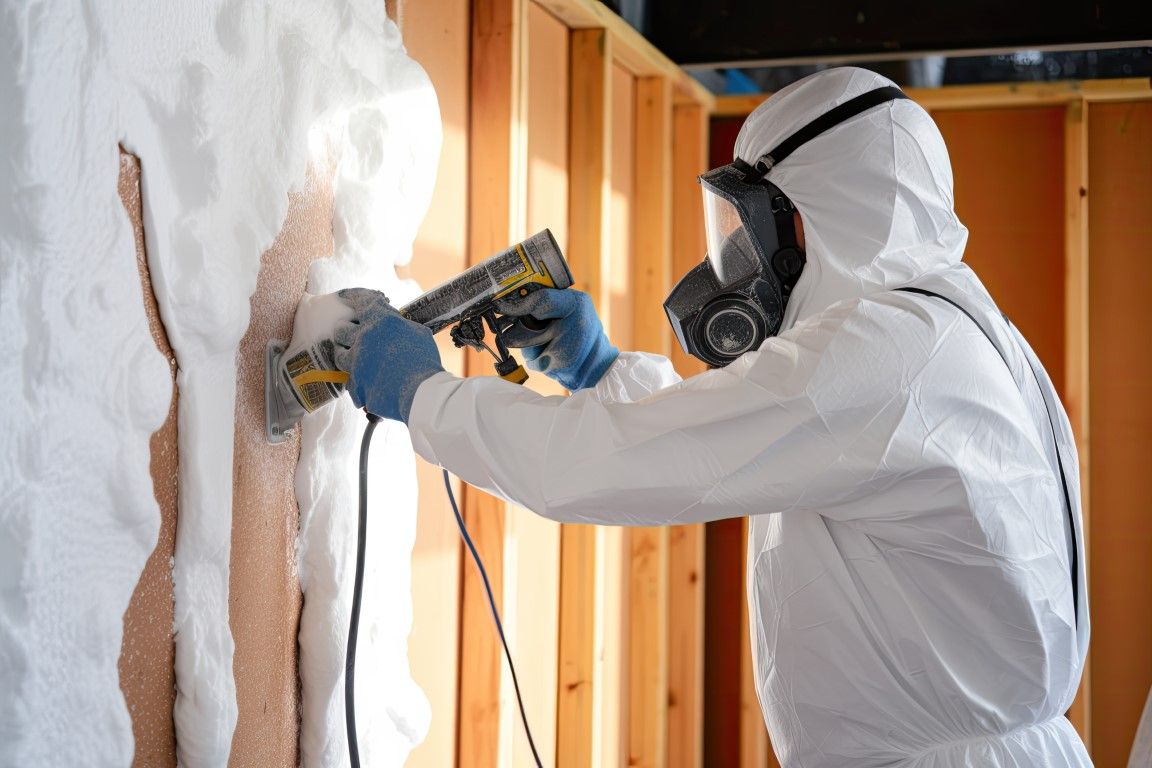
Moisture often enters a house through tiny gaps that are hard to see with the naked eye. When these small holes are left open, damp air can flow freely through walls and floors, causing damage over time. A professional crew uses specialized equipment to apply a material that quickly turns into a solid, airtight barrier.
- The material grows to fill every corner of a wall or ceiling to stop air leaks completely.
- It acts as a physical barrier, preventing humid air from moving between the outside and the inside of the house.
- Homeowners often notice that the air inside feels less sticky during the humid months after the work is finished.
- Sealing the home helps maintain a steady temperature which stops water from forming on cold windows or metal pipes.
Comparing Moisture Control Materials
Selecting the right material is vital for success in wet climates like the Pacific Northwest. Some options allow water vapor to pass through easily, while others stop it completely to protect the wood. Experts help owners choose the best path based on the specific needs of the building and the local weather patterns.
Choosing Between Open and Closed Cell
The choice of material depends on the level of water protection a specific area requires. Some materials are softer and better for sound, while others are very hard and block water like a shield. Professionals consider local humidity levels to decide which version will keep the wood driest over the years.
| Feature | Open Cell | Closed Cell |
|---|---|---|
| Density | Lower | Higher |
| Air Barrier | Yes | Yes |
| Water Vapor Barrier | No | Yes |
| Flood Resistance | Low | High |
Bonus Tip for Homeowners
Always ensure that any wood surfaces are completely dry before the installation begins. If moisture is trapped behind the new seal, it can cause problems later. A good team will use meters to check the wood for any hidden dampness before they start.
Protecting Critical Areas from Water Damage
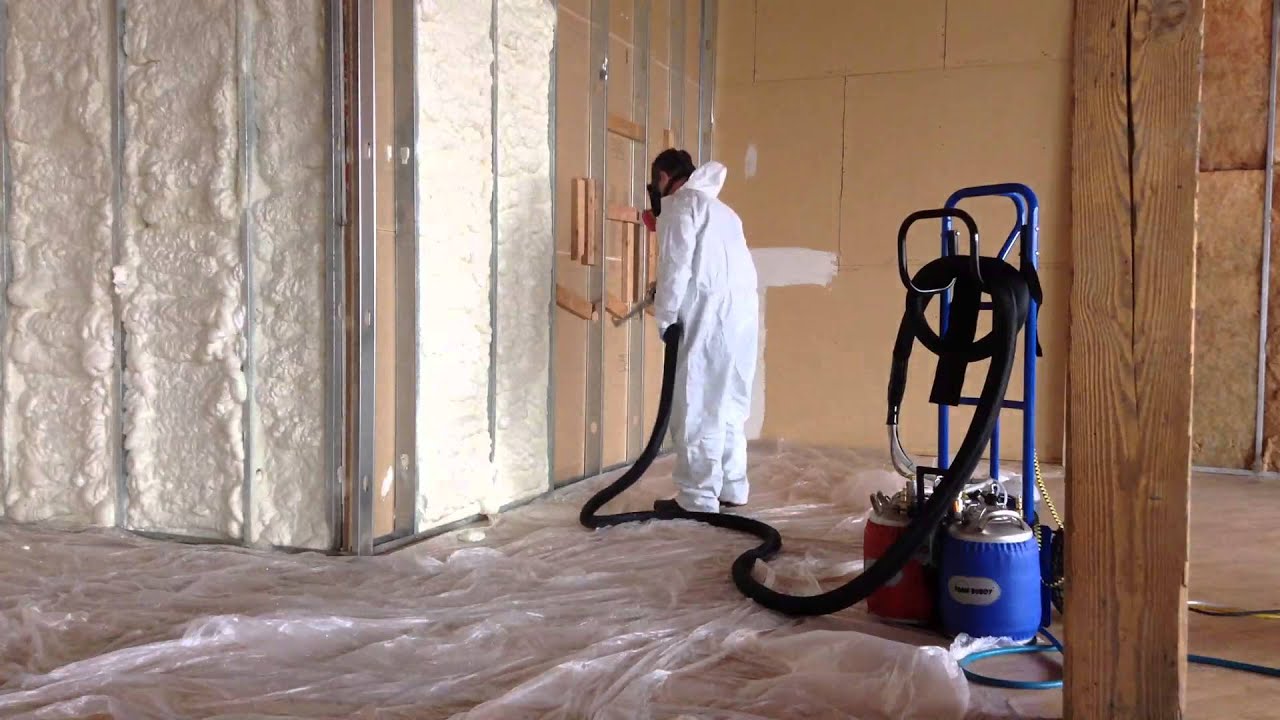
The attic and the crawl space are the two areas where moisture causes the most trouble for homeowners. In many homes, these spaces are poorly ventilated or have small leaks that let in rain and ground-level humidity. Modern Spray Foam Insulation creates a dry environment that protects the wood frame of the house from rotting.
- Sealing the crawl space floor prevents damp earth smells and water vapor from rising into the living area.
- In the attic, the material prevents warm indoor air from hitting the cold roof deck during the winter months.
- The material does not sag or lose its shape when it gets damp, unlike older types of thick batting.
- It provides a clean surface that is less likely to attract pests or grow dark spots of mold.
Improving Crawl Space Health
A wet crawl space can lead to cold floors and a musty smell throughout the entire house. Professionals often recommend sealing the crawl space walls to keep ground moisture from reaching the floor joists. This keeps the wood strong and prevents the growth of things that can ruin the structure.
Keeping the Floor Warm and Dry
When the area under the house is sealed, the floor temperature stays much closer to the room temperature above it. This makes the home feel more comfortable for people who like to walk around without shoes. It also prevents heavy soil moisture from affecting the wood flooring in the main rooms.
Bonus Tip for Drainage
Make sure the gutters on the outside of the house are working correctly before sealing the inside. Water that pools against the foundation can push through even the most minor cracks over time. Good drainage on the outside makes the work on the inside much more effective for the family.
Importance of Ventilation
Once a house is sealed tightly, it is important to consider how fresh air circulates through the rooms. Some homes might need a small fan or a special air unit to keep things fresh without losing the warmth. This ensures the air remains clean and healthy for everyone living in the house.
Things to Consider Before Making a Decision
Homeowners should think about the age of their roof and the condition of their pipes before starting. If a roof needs to be replaced soon, it is usually better to do that work before sealing the attic. Checking for any existing electrical issues in the walls is also a smart move before the walls are filled.
Budget is another factor, as high-quality sealing costs more at the start but saves money on bills later. It is helpful to look at the project as a long-term improvement rather than a quick fix. Taking the time to prepare the house correctly will lead to a better result that lasts a lifetime.
Questions People Ask About Moisture Control
Can this material stop a major water leak?
While it blocks moisture from air, it is not meant to fix a broken pipe or a hole in the roof. Those repairs should be made first to ensure the home stays dry for a long time. The material serves as a secondary defense, helping keep humidity levels low and steady.
Does the material smell after it is installed?
There is a faint scent for a very short time after the application is finished. A professional crew will use fans to clear the air quickly so the family can return to the home safely. Once it is fully dry, it does not release any smells or particles into the living air.
Is it better for rainy climates?
Yes, it is one of the best choices for areas with high rainfall because it does not act like a sponge. Other materials can absorb water and remain wet for weeks, leading to wood rot. This choice stays dry and helps the wood structure last much longer in damp coastal air.
Will it make my home too tight?
A house that is well-sealed is actually a good thing because it means you have full control over the air flow. You can bring in fresh air on your own terms rather than letting it leak in through dirty cracks. This leads to better air quality and lower monthly utility bills.
How does it help with mold?
Mold needs food, water, and air to grow on the surfaces inside a house. By removing the moisture from the air and sealing the wood, you take away the water it needs to survive. This makes it much harder for mold to find a place to start growing on the walls.
Final Thoughts on Home Moisture Management
Controlling moisture is a vital part of keeping a house in good shape for many years to come. Choosing a professional team to seal the home provides a long-lasting solution that protects against rot and mold. It is a smart investment that improves comfort and lowers the cost of running a home. Owners should evaluate their specific needs and contact an expert to see which options fit their budget and goals.
Getting Help with Your Insulation Needs
For those living in the region, All Foam & Insulation, LLC offers expert help for any house project. They provide clear advice on how to stop leaks and keep the inside air dry and comfortable. Interested parties can send an email to joe@allphasewx.com to get more details about the process. They can also call (541) 826-9600 to speak with a professional about their specific home needs. Working with a trusted local company ensures the best results for the local climate.
Reviewer: Lily Johnson offered her feedback after reviewing this post. With 8 years in the spray foam insulation field, her suggestions focused on improving outreach to homeowners seeking high-quality insulation solutions.
