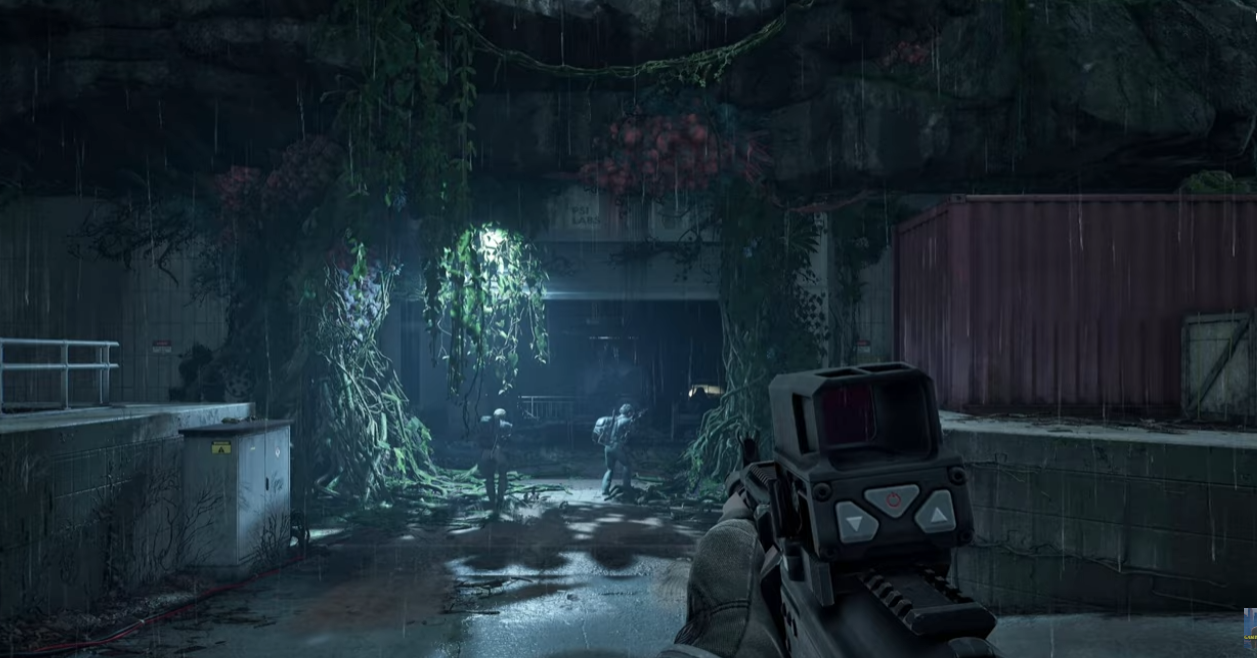
For anyone who’s spent a decent amount of time in PUBG: Black Budget, you know that dying is part of the learning process—but understanding why you die can make a huge difference. Whether it’s an unexpected sniper from across the map or a sudden ambush, analyzing your deaths can turn frustrating moments into valuable lessons. Here’s a breakdown of how to look at your deaths in a structured way, plus some tips that have helped me improve over time.
Step 1: Record and Review Your Deaths
The first step is simple but often overlooked: take the time to actually review your matches. PUBG: Black Budget gives you a replay system, and honestly, it’s a goldmine if you want to improve. Watch the moments leading up to your death in slow motion. Pay attention to your positioning, your movement, and how you handled cover.
Sometimes, the problem isn’t your aim but your positioning. I used to rush into buildings without checking windows or doors, and watching the replay made me realize how often I was walking into easy ambushes. Once I started being more mindful about where I landed and how I moved, my survival rate went up noticeably.
Step 2: Identify the Weapon or Tactic That Killed You
Next, you want to figure out what exactly ended your run. Was it a close-range shotgun? A sniper shot from a mile away? Or maybe a grenade that you didn’t see coming? Recognizing patterns in your deaths helps you anticipate threats in future games.
If you’re trying to experiment with loadouts, it’s sometimes worth investing a bit in the right gear. Many players choose to buy PUBG Black Budget items before a match to test different strategies. Having access to a wider range of weapons or attachments allows you to better understand which fights you’re comfortable in and which ones are better avoided.
Step 3: Check Your Movement and Positioning
Movement is often underestimated. Many deaths are caused not by lack of aim but by predictable movement patterns. Did you sprint across open fields without checking corners? Were you strafing properly in a firefight? Did you hug cover or expose yourself too early?
A little tip from personal experience: don’t always go straight to the center of the safe zone. Sometimes staying on the edge gives you better sightlines and fewer opportunities for other players to surprise you. Positioning also ties into your gear choice—certain weapons work better for long-range fights, so knowing where to fight is key.
Step 4: Analyze Your Decision-Making
This is where self-reflection comes in. Did you take a fight you didn’t need to? Did you loot aggressively and get caught off guard? Sometimes the problem isn’t your aim or gear but your choices.
Here’s a small trick: after each death, write down a sentence or two about what led to it. Over time, patterns emerge. You’ll notice, for instance, that you tend to get knocked out right after engaging in building fights or when you rotate too early to a hot drop spot. That kind of insight is invaluable for improving your gameplay.
Step 5: Compare With Others
Watching other players, whether in streams or recorded matches, can give perspective. Look at how top players handle rotations, choose fights, and position themselves. One thing I noticed is that pros rarely panic—they pick their engagements carefully and avoid unnecessary risks.
If you’re experimenting with gear, you may want to consider reliable PUBG Black Budget items from U4GM. Having consistent, high-quality items can give you a better baseline to understand which deaths were tactical errors versus equipment limitations.
Step 6: Practice Mindful Improvement
Finally, don’t just analyze—practice. If you consistently die to snipers, work on your spotting and cover techniques. If grenades are your nemesis, learn to anticipate enemy throws and adjust your positioning. Breaking down your deaths isn’t about self-criticism—it’s about creating a roadmap for improvement.
It’s also okay to mix fun with practice. Sometimes, trying out unusual weapons or tactics just for laughs can reveal hidden strengths or weaknesses in your playstyle.
Step 7: Keep Track Over Time
The more you track, the more patterns you’ll see. Keep a simple log or mental note of how you die in different scenarios. Over time, you’ll notice improvement, and even when you lose, it won’t feel wasted—you’ll know exactly what to tweak next.
FAQ
Q1: How can I get PUBG: Black Budget items? A1: Items can be purchased in-game or through platforms that sell game currency, allowing you to access gear faster.
Q2: Are there rare items in PUBG: Black Budget? A2: Yes, some items are more difficult to obtain and have unique effects or appearances.
Q3: Can I trade items with other players? A3: Most items are account-bound, but certain limited-time items might be tradable depending on the event.
Q4: How much do these items usually cost? A4: Prices vary depending on rarity and type, but investing in a few reliable items can be worth it for practice and strategy testing.
Q5: Do events affect item availability? A5: Yes, seasonal events often introduce exclusive items that may not be available afterward.
Q6: Is it safe to buy items from third-party platforms? A6: Always ensure the platform is reputable, like U4GM, to avoid scams or account issues.
Q7: Should beginners focus on getting items or improving skills? A7: Skills matter more early on, but having a few reliable items can help new players experiment safely.
Q8: Can analyzing deaths really improve gameplay? A8: Absolutely—tracking and reflecting on mistakes is one of the fastest ways to see consistent improvement.
Game Breakdown: PUBG Black Budget High-Level Accounts at U4GM