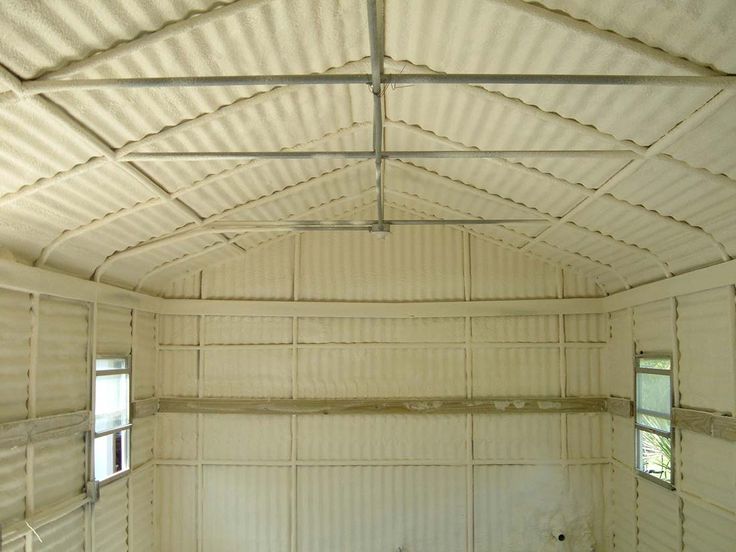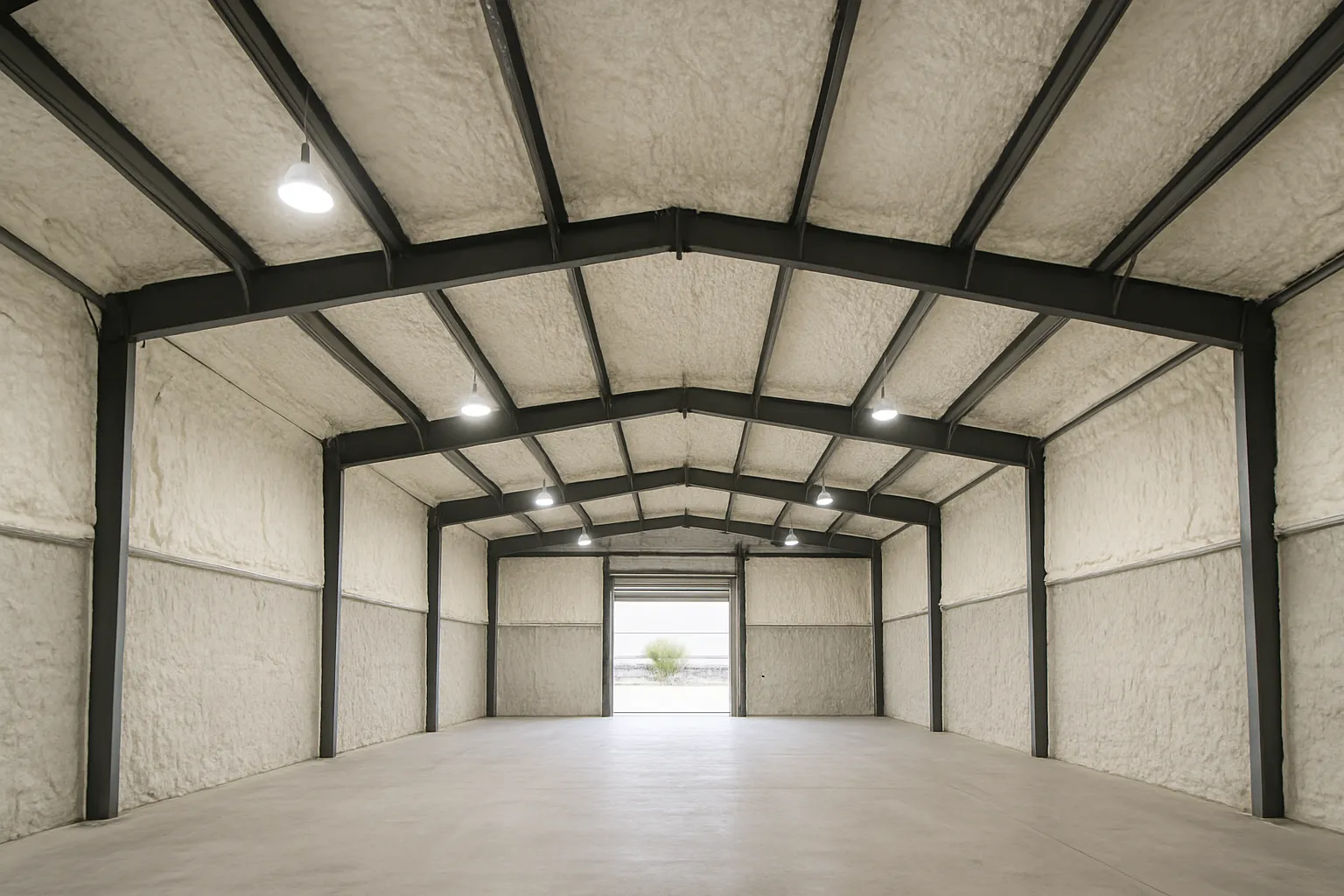
Choosing agricultural insulation starts with climate, building use, and moisture control. Cold regions need insulation that stops heat loss and resists condensation. Hot regions need materials that block radiant heat and limit air leaks. Mixed climates need a balance of both. When insulation matches the climate, farms lower energy costs, protect livestock health, and reduce moisture damage over time.
This guide explains how climate affects insulation choice, what materials work best in each region, and which factors matter before making a decision. The guidance reflects real field experience from trained spray foam professionals who work on both residential and commercial agricultural buildings.
Why Climate Matters in Agricultural Insulation
Climate drives heat flow, moisture movement, and condensation risk. Agricultural buildings face larger swings than homes due to ventilation needs, animal heat, and equipment use. Insulation must control all three without trapping moisture.
In colder zones, heat loss raises fuel costs and creates condensation on metal walls. In warmer zones, heat gain stresses animals and shortens equipment life. Poor insulation in any climate leads to mold growth and structural decay.
Temperature Extremes and Heat Transfer
The temperature difference between indoor and outdoor air controls heat movement. Insulation slows that movement, but only when the R-value matches the region.
- Northern climates often require higher R-values to limit winter heat loss
- Southern climates focus more on radiant heat resistance
- High-elevation areas face strong daily temperature swings
Moisture and Condensation Risks
Moisture comes from animals, washdowns, and outdoor humidity. When warm air meets cold surfaces, water forms. Insulation that seals air gaps lowers this risk.
Key moisture issues include:
- Condensation dripping onto feed or bedding
- Corrosion on metal panels and fasteners
- Mold growth that affects animal health
Common Agricultural Insulation Types Explained
Several insulation options are used in barns, shops, and storage buildings. Each behaves differently under climate stress.
Spray Foam Insulation
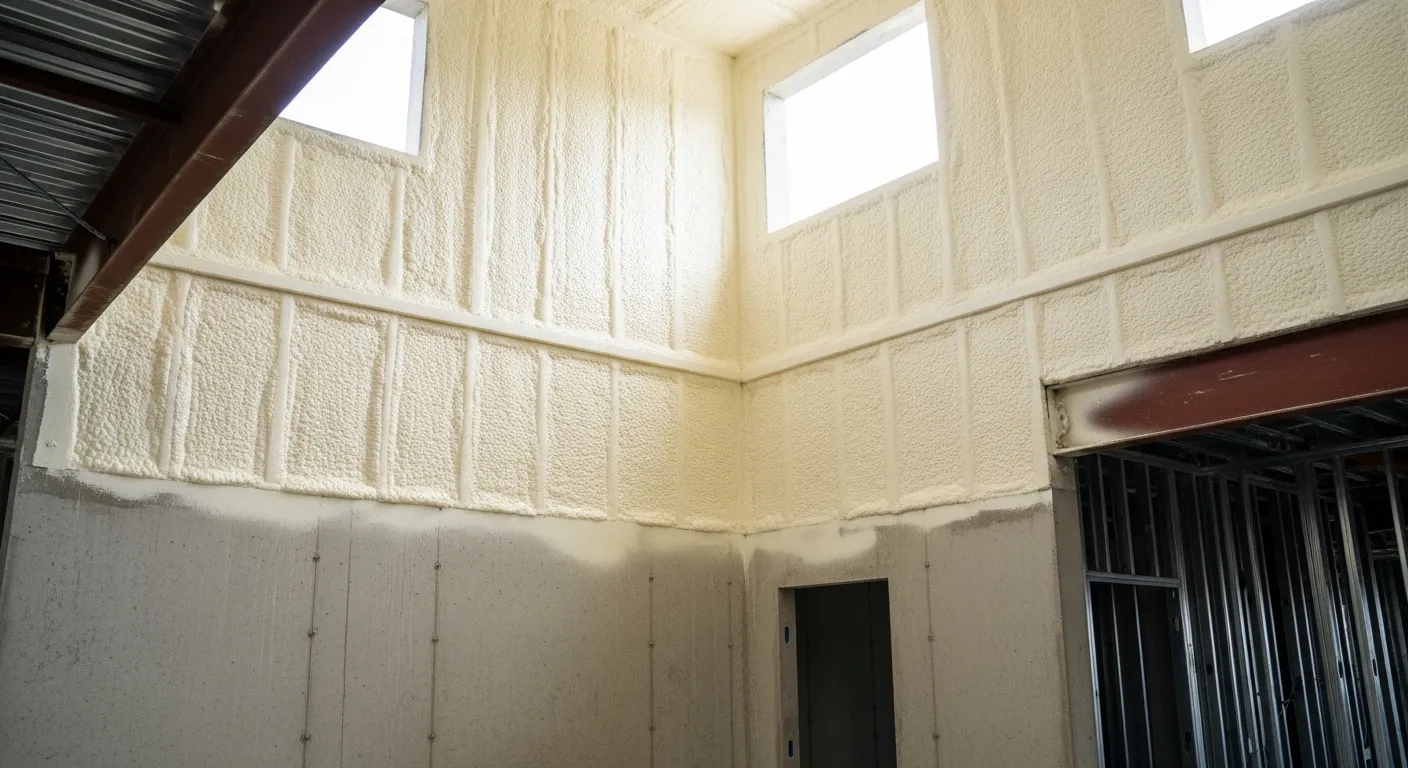
Spray foam creates an air seal and delivers high thermal resistance in one step. Closed-cell foam also blocks moisture.
Where Spray Foam Works Best
- Cold and mixed climates with condensation concerns
- Buildings with metal walls or roofs
- Areas needing strong air sealing
Fiberglass Batts
Fiberglass is widely available and low cost, but it does not stop air movement on its own.
Limitations to Know
- Loses performance when wet
- Allows air leakage if not sealed
- Requires vapor barriers in cold zones
Rigid Foam Boards
Rigid boards provide steady R-values and resist moisture better than fiberglass.
Typical Uses
- Retrofit projects
- Interior wall upgrades
- Areas with limited cavity depth
Climate-Based Insulation Recommendations
The table below shows how insulation choices align with different climate conditions.
| Climate Zone | Primary Concern | Recommended Insulation | Reason |
|---|---|---|---|
| Cold | Heat loss, condensation | Closed-cell spray foam | High R-value and moisture control |
| Hot | Heat gain, radiant load | Open-cell foam or radiant barriers | Limits air leaks and heat transfer |
| Mixed | Seasonal shifts | Hybrid systems | Balances insulation and vapor flow |
Market data shows farms using air-sealing insulation reduce heating costs by 20 to 30 percent in cold regions. In hot climates, reflective and sealed systems cut cooling loads by up to 25 percent.
Things to Consider Before Making a Decision
Before selecting insulation, farms should assess building use and long-term needs. Insulation mistakes are costly to correct later.
Key decision factors include:
- Animal type and stocking density
- Ventilation method and airflow patterns
- Local humidity levels and rainfall
- Expected building lifespan

Building Function and Use
A calving barn needs tighter temperature control than a hay shed. Workshops and equipment storage need insulation that limits condensation on tools.
Local Codes and Climate Data
Some regions require vapor retarders or specific fire ratings. Climate data helps determine proper R-values and thickness.
Installation Quality Matters as Much as Material
Even the best insulation fails when installed poorly. Gaps, compression, and missed joints reduce performance fast.
Common Installation Errors
- Leaving seams unsealed
- Installing fiberglass without vapor control
- Ignoring roof-to-wall transitions
Installation Reminder
Professional installation often delivers better long-term value than low upfront cost solutions.
Bonus Tips
- In cold regions, prioritize air sealing before adding insulation thickness
- In humid climates, avoid materials that trap moisture without drying paths
Questions People Ask About Agricultural Insulation
How much insulation does a barn need in cold climates?
Most cold regions need R-20 to R-30 in walls and higher in roofs, depending on livestock type and heating goals.
Is spray foam safe for livestock buildings?
When installed correctly and cured, spray foam is safe and widely used in livestock facilities.
Can insulation reduce condensation in metal barns?
Yes. Air-sealing insulation sharply lowers condensation by stopping warm air from reaching cold surfaces.
Does insulation affect ventilation needs?
Insulation and ventilation work together. Proper insulation allows controlled airflow instead of random leaks.
How long does agricultural insulation last?
Spray foam can last 30 years or more. Fiberglass and boards depend on moisture exposure and maintenance.
Key Takeaways for Farm Owners
Right-sized insulation protects animals, cuts energy waste, and reduces moisture damage. Climate, building use, and installation quality should guide every choice, ideally with input from a professional insulation contractor. Farms benefit most when insulation decisions align with long-term operating goals instead of short-term savings.
Get Guidance from Experienced Insulation Professionals
Farm owners who want tailored advice can consult specialists familiar with agricultural buildings and regional climates. Wegner Insulation works with farms to evaluate structures, climate demands, and moisture risks before recommending solutions. For more information, they can be reached at anthony@wegnerinsulation.com or (406) 607-8476 to discuss practical options suited to specific agricultural needs.
Author: Richard Hall is a construction professional specializing in spray foam insulation. His hands-on experience and certifications led him to start his own company in 2022.
Reviewer: Alexander Davis has 11 years of experience in spray foam application and reviewed this content to ensure it reflects real challenges faced on agricultural projects.