Skin warts are a common skin concern that can affect anyone at any age. They are generally harmless, but their appearance can be bothersome, especially when they appear on visible areas like the hands, face, or feet. Understanding how to get rid of skin warts safely is essential to prevent infection, minimize scarring, and maintain healthy skin. While there are various methods available, choosing the right approach depends on the type, location, and size of the wart. Many individuals researching this topic often consider the Skin Wart Removal Cost in Dubai when exploring effective solutions.
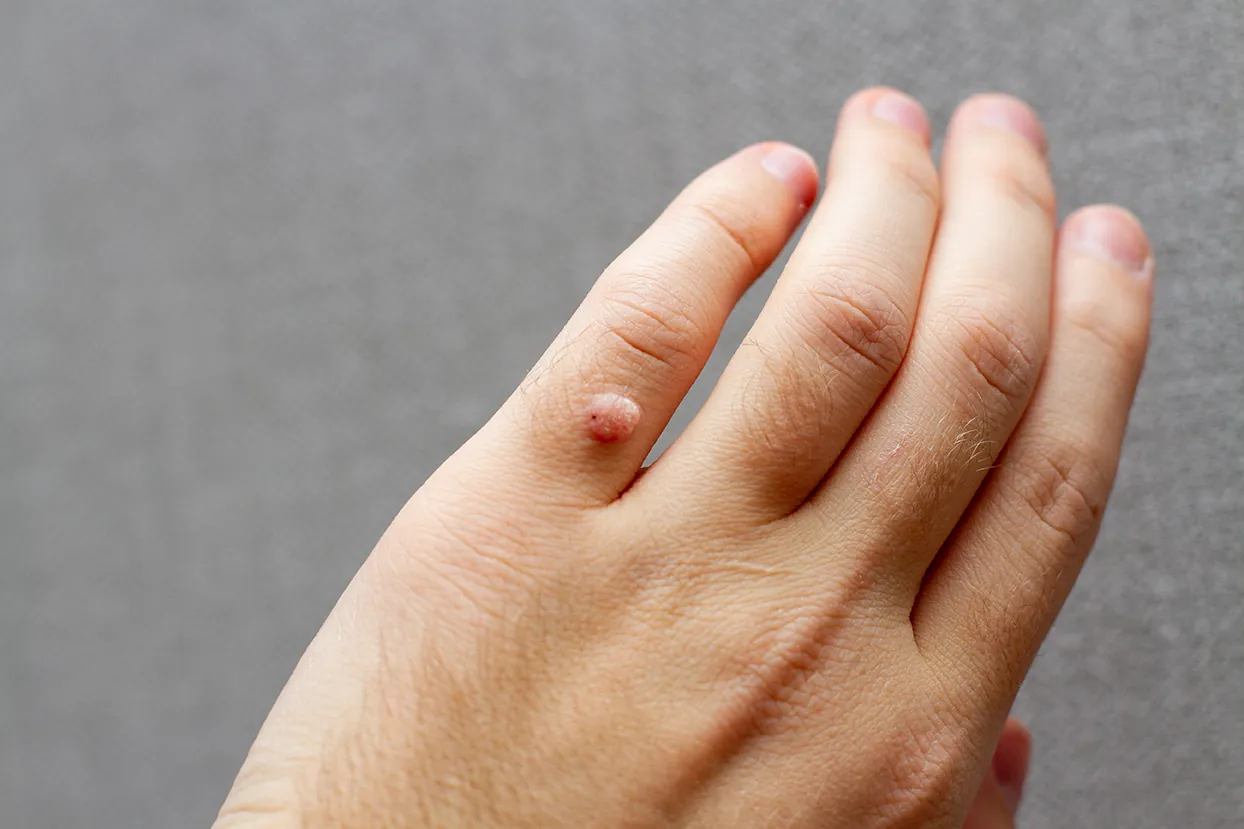
Understanding Skin Warts
Warts are caused by the human papillomavirus (HPV), which triggers rapid growth of cells on the outer layer of the skin. They can appear as small, rough bumps or flat, smooth lesions, and sometimes cluster together in groups. Although they are usually painless, warts can become irritated, especially when exposed to friction or pressure. Recognizing the type of wart you have is the first step in determining the safest removal method. Common types include:
-
Common warts: Usually found on fingers, hands, or knees, these have a rough surface and irregular shape.
-
Plantar warts: Found on the soles of the feet, these can be painful due to constant pressure from walking or standing.
-
Flat warts: Smaller and smoother, often appearing in clusters on the face, legs, or arms.
-
Filiform warts: Long and narrow, typically appearing around the mouth, nose, or beard area.
Over-the-Counter Treatments
Many over-the-counter treatments are available for wart removal, often in the form of creams, gels, or adhesive pads containing salicylic acid. Salicylic acid works by gradually softening the wart tissue, allowing it to peel away over time. Consistent application is crucial for success, and it’s recommended to follow the instructions carefully to avoid irritation of surrounding healthy skin. For stubborn warts, combining salicylic acid treatments with protective bandaging can enhance effectiveness.
Cryotherapy at Home
Cryotherapy, or freezing the wart, is another popular method. Some home-use cryotherapy kits are designed to deliver cold temperatures directly to the wart, causing it to die and eventually fall off. While convenient, it’s important to follow instructions closely to avoid damage to nearby skin and ensure the treatment targets the wart effectively. Cryotherapy is particularly effective for smaller warts or those located on the hands and fingers.
Natural Remedies
For individuals seeking gentler options, natural remedies can be effective, especially for minor warts. Ingredients like tea tree oil, apple cider vinegar, and garlic have antimicrobial properties that may help combat the HPV virus and promote wart regression. Applying these substances regularly and monitoring for any skin reactions is important to ensure safe use. While natural remedies may take longer to show results, they are often favoured for their minimal side effects and skin-friendly nature.
Professional Non-Invasive Methods
In addition to home remedies, there are non-invasive professional techniques that safely remove warts. Procedures like laser therapy or chemical peels can target wart tissue precisely, minimizing the risk of scarring and promoting faster healing. These methods are especially beneficial for larger warts, clusters, or warts located in sensitive areas. Many people also consider the Skin Wart Removal Cost in Dubai when evaluating these professional options, balancing effectiveness with affordability.
Prevention Tips
Preventing warts is equally important as removing them. Simple measures like maintaining clean and dry skin, avoiding direct contact with warts, and not sharing personal items like towels or razors can significantly reduce the risk of spreading HPV. Strengthening the immune system through a balanced diet, proper sleep, and regular exercise can also help the body fight off infections, including the virus responsible for warts.
Aftercare and Healing
Proper aftercare ensures that treated warts do not return and that skin heals smoothly. Keeping the area clean, avoiding picking or scratching the treated wart, and using gentle moisturizers can prevent irritation and scarring. For warts treated with more intensive methods, following all post-treatment instructions is essential for optimal results. Regular monitoring of the treated area also helps detect any recurrence early, allowing for timely intervention.
When to Seek Further Help
While most warts can be treated safely at home or through professional methods, certain situations require attention. Warts that change in appearance, bleed, or persist despite repeated treatments may need further evaluation. Additionally, individuals with weakened immune systems or underlying health conditions should approach wart removal cautiously and may benefit from expert guidance.
Conclusion
Safely removing skin warts involves a combination of understanding the wart type, choosing the right treatment, and following proper aftercare practices. Whether opting for over-the-counter solutions, natural remedies, or professional methods, the goal is always to minimize discomfort and prevent recurrence. Considering the Skin Wart Removal Cost Dubai can also guide individuals in selecting an option that is both effective and within budget. With careful attention and consistent care, warts can be managed successfully, restoring smooth and healthy skin naturally.