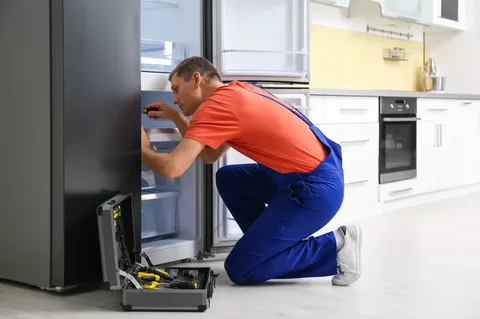
Maintaining your kitchen appliances shouldn’t feel like a full-time job, but a little bit of foresight goes a long way in avoiding a warm fridge and spoiled groceries. When it comes to the heart of your kitchen, What You Should Know is that most breakdowns are actually preventable through simple, routine habits. However, if you find yourself facing a sudden cooling crisis, seeking professional Refrigerator Repair Services in Centreville, VA, is the most reliable way to restore order to your home. By understanding the common points of failure, you can extend the lifespan of your unit and save significant money on emergency fixes.
The Importance of Condenser Coil Maintenance
One of the most frequent causes of refrigerator failure is neglected condenser coils. These coils are responsible for dissipating heat as the refrigerant passes through them. Over time, they collect dust, pet hair, and kitchen grease, which acts as insulation, forcing the compressor to work twice as hard to keep the interior cool.
If the compressor overheats due to dirty coils, it may eventually burn out entirely. To prevent this, pull your fridge out every six months and vacuum the coils located at the back or bottom of the unit. This simple DIY task can reduce your energy bills and prevent the need for premature component replacement.
Door Gaskets: The Silent Energy Leaks
The rubber seal around your fridge door, known as the gasket, is what keeps the cold air in and the warm air out. If this seal is cracked, warped, or dirty, your refrigerator will run constantly to compensate for the lost cooling.
- The Paper Test: Close the door on a dollar bill. If it pulls out easily with no resistance, your seal is failing.
- Cleaning: Use warm, soapy water to wipe down the gaskets regularly. Spilt juices or syrups can make the rubber sticky, leading to tears when the door is opened.
- Replacement: Gaskets are generally affordable and easy to replace, preventing long-term strain on the cooling system.
Managing Internal Airflow and Temperature
It is a common misconception that a packed fridge stays colder. While thermal mass helps maintain temperature, overstuffing your refrigerator can block the internal air vents. When air cannot circulate properly, you may experience “hot spots” where food spoils quickly, or the evaporator coils may freeze over.
Liberty Appliance Repair experts often suggest keeping the unit about 70% to 80% full for optimal efficiency. This allows for enough “breathing room” for the cold air to reach every shelf. Additionally, check your temperature settings regularly; your refrigerator should be kept at $3°C$ to $4°C$ ($37°F$ to $40°F$) to ensure food safety without overworking the motor.
Understanding the Role of the Evaporator Fan
If you notice your refrigerator is making a loud chirping or squealing noise, the evaporator fan might be the culprit. This fan draws air over the cooling coils and circulates it throughout the compartments. If it fails, the fridge won’t stay cold even if the compressor is running perfectly.
Debris or ice buildup can often obstruct the fan blades. While a manual defrost might solve the issue temporarily, recurring ice buildup usually points to a faulty defrost heater or timer. In these instances, calling for Refrigerator Repair Services in Centreville, VA ensures that the underlying electrical issue is addressed before it leads to a total system shutdown.
The Impact of Levelling on Drainage
Most homeowners don’t realise that a refrigerator needs to be perfectly level—or slightly tilted back—to function correctly. If the fridge leans forward, the doors may not swing shut on their own, and more importantly, the defrost drainage system can become clogged.
When the defrost cycle runs, melted ice flows into a small drain hole and down to a pan beneath the unit. If the unit is tilted incorrectly, water can pool inside the fridge, leading to leaks on your kitchen floor or ice sheets forming on the bottom of the freezer. Ensure the front “feet” of the appliance are adjusted so the unit sits firmly and slightly angled to facilitate proper drainage.
Proper Use of Water Filters and Ice Makers
Ice makers are among the most frequently repaired components in modern refrigerators. To keep yours running smoothly, change the water filter every six months. A clogged filter restricts water flow, which can cause the ice maker to produce small, misshapen cubes or stop working entirely. Furthermore, mineral buildup from hard water can damage the internal valves. If you notice a drop in water pressure from the dispenser, it’s a clear sign that a filter change is overdue.
When to Call a Professional
While many maintenance tasks are DIY-friendly, certain signs indicate a serious mechanical or electrical failure that requires an expert touch. If you encounter any of the following, avoid poking around the internal wiring yourself:
- Consistent Puddles: Water pooling under the unit that isn’t caused by a simple spill.
- Excessive Heat: The exterior walls of the fridge feel hot to the touch.
- Constant Cycling: The motor never turns off, indicating a leak in the sealed system or a failing thermostat.
- Strange Odours: A burning smell or a chemical scent (which could indicate a refrigerant leak).
Reliable appliance maintenance and kitchen appliance troubleshooting are essential for the longevity of your home. By staying proactive with cleaning and being mindful of how you load your groceries, you can avoid the stress of an unexpected breakdown. Remember, a well-maintained refrigerator doesn’t just save you money on repairs; it ensures your family’s food remains fresh and safe for consumption.