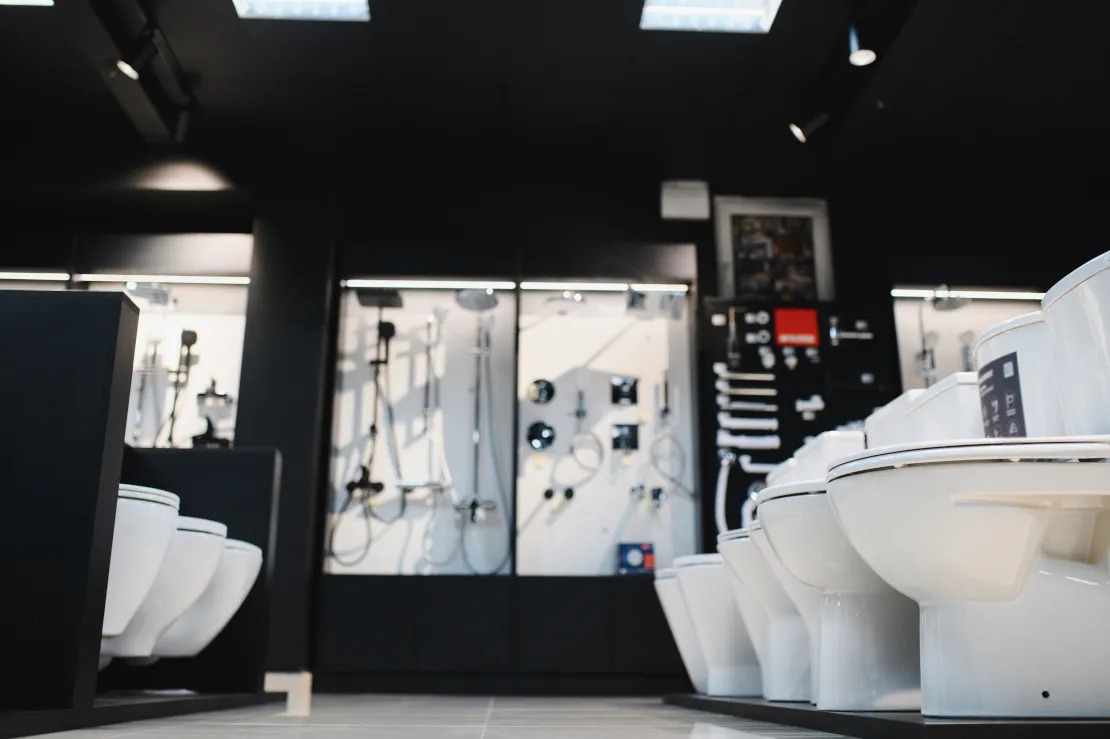
A bidet can feel unfamiliar if you’ve never used one before, but once you understand how it works, it becomes an easy and refreshing part of your daily hygiene routine. Bidets are used worldwide as a cleaner and more sustainable alternative to toilet paper, offering gentle cleansing and improved comfort. Whether you’re using a standalone bidet, a bidet seat, or an attachment, this guide walks you through everything you need to know. Lets Explore How to use a bidet
What Is a Bidet?
A bidet is a bathroom fixture or device designed to clean your private areas with a stream of water after using the toilet. Bidets come in various forms, including:
-
Standalone bidets (separate fixtures, popular in Europe and Asia)
-
Bidet toilet seats with built-in nozzles and features like heated water
-
Bidet attachments that fit under your existing toilet seat
-
Handheld bidet sprayers used manually to direct the spray
-
Portable travel bidets for cleanliness on the go
No matter the type, the purpose is the same: to gently and effectively cleanse with water instead of relying solely on toilet paper.
Why Use a Bidet?
There are several benefits to using a bidet:
-
Better Hygiene: Water cleans more thoroughly than wiping.
-
Comfort: Ideal for sensitive skin, postpartum recovery, hemorrhoids, or irritation.
-
Cost-Effective: Reduces the amount of toilet paper you need to buy.
-
Eco-Friendly: Less waste, fewer trees cut down, and reduced plumbing strain.
Switching to a bidet is not just a lifestyle change; it’s a hygiene upgrade.
How to Use a Bidet: Step-by-Step
1. Use the Toilet First
You’ll still use the toilet as usual. The bidet is for cleaning afterward, not replacing the toilet.
2. Position Yourself
Depending on the style of bidet, your positioning will change slightly:
-
Bidet seat or attachment: Stay seated; the nozzle extends below you.
-
Standalone bidet: Straddle the basin, facing the controls.
-
Handheld sprayer: Stay seated and direct the spray.
3. Activate the Water Flow
Turn on the water slowly. Start with low pressure and increase as needed to avoid a surprise splash.
-
Adjust the angle so the stream hits where you need it.
-
Take your time; the cleaning process should take 20–60 seconds.
4. Optional: Use Soap
Some people like to lather with gentle soap, but it’s not required. Water alone is enough for most users, and soap should be used sparingly to avoid irritation.
5. Dry Off
After rinsing, pat yourself dry with a small amount of toilet paper or a reusable towel. Many modern electric bidet seats include built-in warm air dryers, making this step even easier.
Tips for First-Time Users
-
Always start with low water pressure.
-
Test the controls before sitting if you’re unsure.
-
Check temperature settings on electric bidet seats to avoid water that’s too hot.
-
Clean your bidet’s nozzle regularly for hygiene.
Is a Bidet Safe and Sanitary?
Yes. Bidets are designed to deliver clean, fresh water directly from your home’s supply line. They are more sanitary than wiping because they avoid direct contact and reduce friction. In fact, bidets can reduce infections and irritation for many users.
Conclusion
Learning how to use a bidet may seem unfamiliar at first, but once you experience the gentle and thorough cleanliness it offers, you’ll wonder how you lived without it. From improving personal hygiene and comfort to reducing waste and saving money, a bidet is a smart choice for your health and your home. With the right technique and a bit of practice, the bidet becomes a refreshing and natural part of your daily routine. If you’re new to it: start slow, be patient, and enjoy the feeling of being truly clean. Visit the official website of everybidet.com