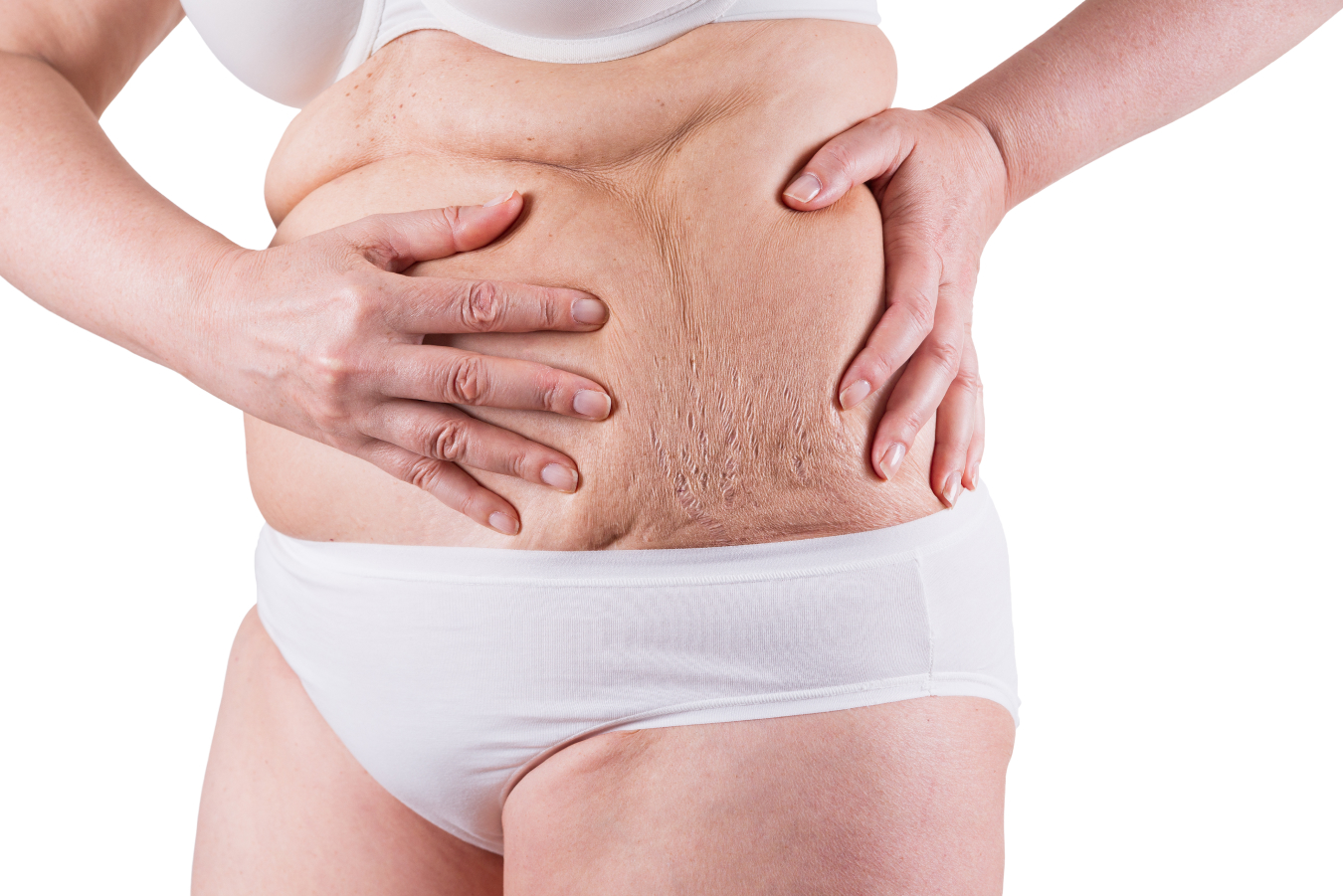
Hernias are a common medical condition that occur when tissue or an organ pushes through a weak spot in the abdominal wall. They can cause discomfort, pain, and in some cases, visible bulges around the midsection. While hernia repair is usually performed as a standalone procedure, it can also be combined with cosmetic surgeries for better outcomes. Many people exploring Tummy Tuck in Islamabad are often surprised to learn that abdominoplasty can complement hernia repair, making the results both functional and aesthetic.
Understanding a Hernia
A hernia happens when part of the intestine, fatty tissue, or an organ protrudes through weakened abdominal muscles. The most common types include:
-
Umbilical hernia: Appears near the belly button.
-
Incisional hernia: Occurs at the site of a previous surgical scar.
-
Epigastric hernia: Found in the upper abdomen.
Hernias may develop due to factors like pregnancy, obesity, heavy lifting, previous surgeries, or natural muscle weakness. Repairing a hernia typically involves closing the gap in the abdominal wall and reinforcing the muscles to prevent recurrence.
What Is a Tummy Tuck?
A tummy tuck, medically called abdominoplasty, is a surgical procedure that removes excess skin, eliminates small fat deposits, and tightens weakened abdominal muscles. While it is often sought for cosmetic reasons, the procedure also has reconstructive benefits that support abdominal health.
When combined with hernia repair, a tummy tuck not only strengthens the abdominal wall but also enhances the overall appearance of the torso.
Why Combine Hernia Repair With a Tummy Tuck?
1. Strengthening the Abdominal Wall
A tummy tuck involves suturing and tightening the abdominal muscles, which also helps reinforce areas prone to hernia formation. This creates a stronger abdominal wall, lowering the chances of hernia recurrence.
2. Addressing Muscle Separation
Many individuals, especially women post-pregnancy, experience diastasis recti (separation of abdominal muscles). This condition weakens the core and can contribute to hernias. By correcting diastasis recti during a tummy tuck, hernia repair becomes more effective.
3. Removal of Excess Skin
Loose skin around the abdomen often develops alongside hernias, especially after weight changes or multiple pregnancies. Removing this skin through a tummy tuck improves surgical access and leads to a more toned result.
4. Functional and Aesthetic Benefits
Combining both procedures means patients not only repair the hernia but also achieve a firmer, flatter abdomen. This dual benefit supports both health and confidence, reducing the need for separate surgeries.
How the Combined Procedure Works
When performed together, hernia repair and tummy tuck follow a carefully planned surgical approach:
-
The surgeon first identifies and repairs the hernia by closing the abdominal wall defect.
-
The tummy tuck is then performed, tightening muscles and removing excess skin.
-
Small fat deposits may also be eliminated for smoother contours.
The combination ensures the abdomen is reinforced structurally while also improving its external appearance.
Benefits of Combining Tummy Tuck and Hernia Repair
-
Reduced Surgical Risk: One procedure means fewer hospital visits and anesthesia sessions.
-
Better Core Stability: Strengthened muscles provide improved support for daily activities.
-
Improved Posture: A firm core naturally enhances posture and reduces back pain.
-
Long-Term Results: Lower risk of hernia recurrence and longer-lasting abdominal strength.
-
Enhanced Confidence: Patients enjoy both functional recovery and a more youthful, toned midsection.
Who Can Benefit From the Combined Surgery?
Not everyone is a candidate for combining the two procedures. It is best suited for:
-
Individuals with small to moderate hernias.
-
Patients who also have loose abdominal skin or separated muscles.
-
Women after pregnancy who want both repair and contouring.
-
People in good health and close to their ideal weight.
A thorough evaluation ensures the procedure is safe and tailored to the patient’s needs.
Recovery After Combined Surgery
Recovery from a tummy tuck with hernia repair is similar to a standard tummy tuck, but extra care may be needed for muscle healing. Patients are usually advised to:
-
Wear compression garments to support the abdomen.
-
Avoid heavy lifting for several weeks.
-
Follow post-surgery instructions for wound care.
-
Gradually return to light activities and exercise.
With proper care, recovery results in a stronger, slimmer, and healthier abdomen.
Long-Term Outlook
Combining hernia repair with a tummy tuck offers both corrective and cosmetic advantages. By addressing the underlying muscle weakness and removing excess tissue, the procedure provides lasting improvements. Many patients experience fewer recurrences of hernias and enjoy the added benefit of a flatter, more youthful abdominal profile.
Conclusion
A tummy tuck is more than just a cosmetic solution—it can also play a valuable role in hernia repair. By reinforcing the abdominal wall, repairing separated muscles, and improving the appearance of the midsection, the combination of the two procedures delivers functional and aesthetic results. For those considering abdominal surgery, Tummy Tuck in Islamabad provides an effective approach to achieving a healthier, stronger, and more confident body.